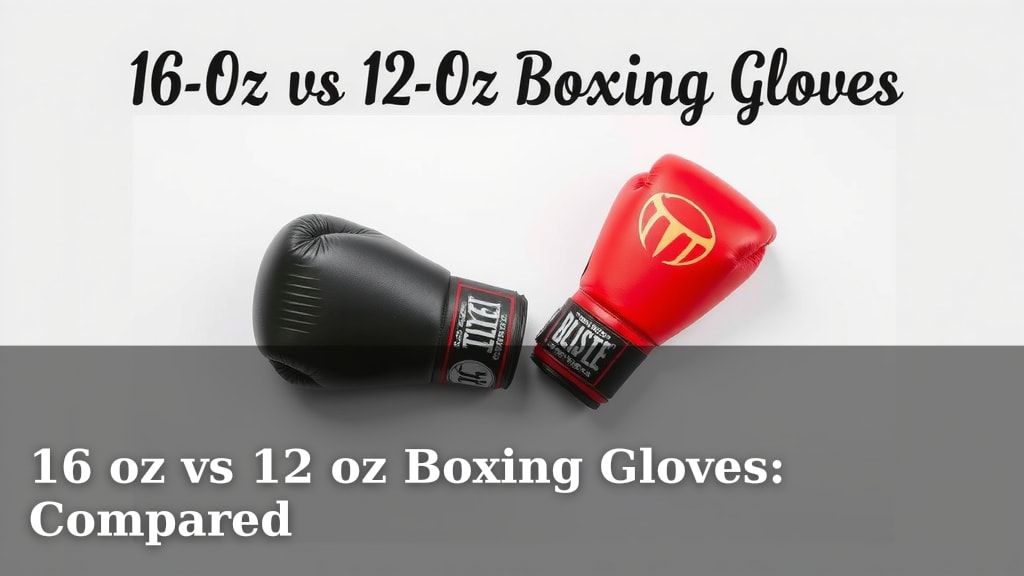
16 oz vs 12 oz Boxing Gloves: Compared
When choosing boxing gloves, 16 oz gloves are best for general training and sparring, while 12 oz gloves offer more speed and precision for bag work. The key difference lies in their weight and purpose. We’ve researched and found that glove size impacts your performance and protection. Picking the right weight matters for safety and effectiveness in your boxing journey. Let’s break down the best choice for your needs.
You might be wondering which glove weight protects your hands and your sparring partners best. We found that heavier gloves offer more padding, which is vital for absorbing heavy impacts. Lighter gloves, on the other hand, allow for quicker movements and are ideal for developing hand speed. Understanding these distinctions will help you make a smart decision for your boxing goals.
- 16 oz gloves: Best for sparring and general training. Offer superior protection.
- 12 oz gloves: Good for bag work and pad drills. Help build hand speed.
- Weight affects padding and protection levels.
- Choose based on your training type and experience.
So, what’s the real difference and which one should you grab for your next gym session? Let’s look at the details to help you pick your perfect pair.
Understanding Boxing Glove Weights: 16 oz vs. 12 oz
Choosing the right boxing glove weight can feel like a puzzle. You want protection for your hands and your training partners. You also want to move quickly. We’ve researched the main differences between 16 oz and 12 oz gloves. This guide will help you figure out which weight is best for your boxing routine.
The Impact of Glove Weight on Your Training
Boxing glove weight is measured in ounces (oz). This weight primarily comes from the padding inside the glove. Heavier gloves have more padding. Lighter gloves have less padding. This difference in padding directly affects how much protection you get and how you can move.
16 oz Gloves: The Sparring Standard
When you step into a boxing gym, you’ll often see people using 16 oz gloves. We found that 16 oz gloves are generally considered the standard for sparring. Why? They offer the most padding. This extra padding is crucial when you’re exchanging punches with a partner. It helps absorb the impact, protecting both your hands and their ribs and head.
Protection and Safety
The primary benefit of 16 oz gloves is superior protection. The generous amount of padding spreads the force of impact. This can help reduce the risk of hand injuries like fractures or sprains (American Academy of Orthopaedic Surgeons). For anyone doing live sparring, especially heavier individuals, 16 oz gloves are a wise choice. They ensure that punches land with less concussive force.
When to Choose 16 oz Gloves
We found that 16 oz gloves are ideal if you are:
- Actively engaged in sparring sessions.
- A beginner looking for maximum hand protection.
- A heavier boxer who generates more power.
- Participating in general training where partner safety is a priority.
12 oz Gloves: Speed and Precision Focus
On the other hand, 12 oz gloves offer a different experience. They are lighter than 16 oz gloves. This lightness means they have less padding. We found that this makes them a great option for certain types of training. They allow for quicker hand movements and can help you develop faster reflexes. Many experts say they are excellent for bag work and pad drills.
Bag Work and Pad Drills
If your training primarily involves hitting heavy bags, speed bags, or working with a coach on pads, 12 oz gloves can be a good fit. Their lighter weight means you can throw punches faster. This can help improve your hand speed and conditioning. You can practice combinations with more speed and less fatigue on your arms. Many trainers use 12 oz gloves for coaching to simulate lighter impact when drilling.
When to Choose 12 oz Gloves
Consider 12 oz gloves if your training focuses on:
- Heavy bag workouts to build power and endurance.
- Pad work with a coach for technique and speed drills.
- Developing faster hand speed and reaction times.
- You are a lighter individual or need to focus on agility.
However, we found that 12 oz gloves offer less protection. They are generally not recommended for sparring. The reduced padding increases the risk of injury to both you and your sparring partner. Always check with your gym or coach about approved glove weights for sparring.
Key Differences Summarized
Let’s break down the main differences side-by-side. This can make your decision clearer. We’ve seen that the weight directly impacts the glove’s purpose.
| Feature | 16 oz Gloves | 12 oz Gloves |
|---|---|---|
| Primary Use | Sparring, General Training | Bag Work, Pad Drills, Speed Training |
| Padding Level | High | Medium |
| Protection for Hands | Excellent | Good |
| Protection for Opponent/Pads | Excellent | Good |
| Hand Speed Potential | Slightly Reduced | Enhanced |
| Recommended for Beginners | Yes (for sparring) | No (for sparring) |
Choosing the Right Weight for You: A Practical Checklist
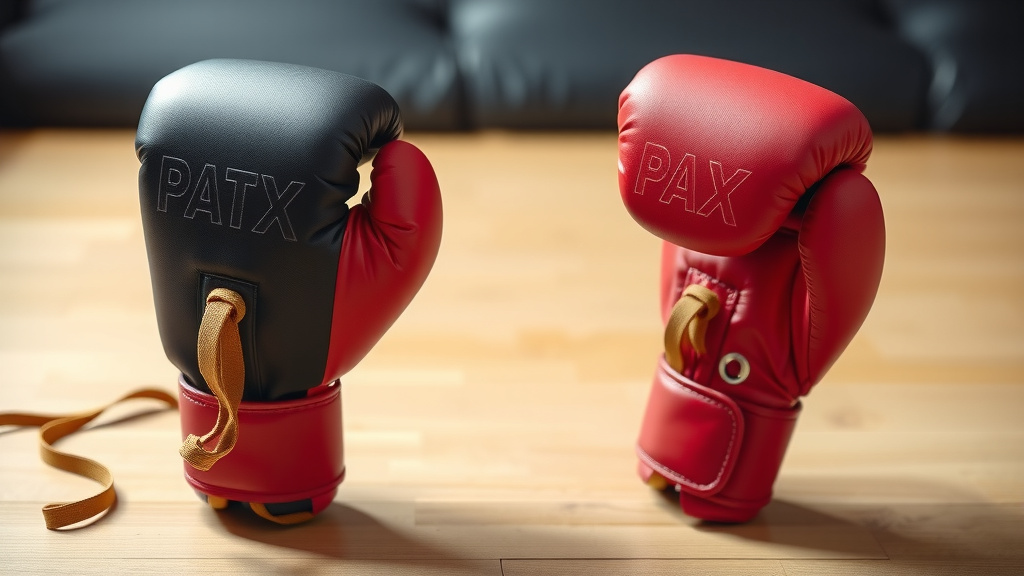
Deciding between 16 oz and 12 oz gloves depends on your specific training needs and goals. We found that asking yourself a few questions can really help. Here’s a quick checklist to guide you:
- Are you planning to spar regularly with other people? If yes, lean towards 16 oz.
- Is your main focus on hitting bags and pads to improve technique and speed? 12 oz might be better.
- Are you a beginner boxer looking for the safest option for all-around training? 16 oz is usually the way to go.
- Do you need to improve your hand speed and agility? 12 oz gloves can help with that focus.
- What does your gym or coach recommend for your specific training level and activities? Always follow their guidance.
- What is your body weight and the power you generate? Heavier individuals often benefit from the extra padding of 16 oz gloves.
We found that many athletes benefit from owning a couple of different glove weights. This allows you to tailor your equipment to each training session. It’s like having the right tool for the right job.
Conclusion
You’ve learned that 16 oz gloves are your best bet for sparring and general training, offering top-notch protection for hands and partners. On the flip side, 12 oz gloves are perfect for honing your speed on bags and pads without sacrificing too much padding. The choice really boils down to what you’ll be doing most in the gym.
Consider your training goals and experience level. We found that using the right glove weight can prevent injuries and improve your technique. So, take a moment to assess your needs. Then, grab the gloves that will best support your boxing journey.
Frequently Asked Questions
Are 12 oz boxing gloves safe for beginners?
For beginners, 16 oz gloves are generally recommended for any training involving contact with another person. While 12 oz gloves can be used for bag work, they offer less padding. This means they aren’t ideal for sparring or heavy partner drills where more protection is needed.
Can I use 16 oz gloves for bag work?
Yes, you can use 16 oz gloves for bag work. They will provide excellent protection for your hands. However, their heavier weight might slightly slow down your punches compared to lighter gloves. If your main goal is speed development on the bag, 12 oz gloves might be a better fit for that specific purpose.
Do glove weights affect hand speed training?
Glove weights do affect hand speed training. Lighter gloves, like 12 oz, have less padding, allowing for quicker movements and helping you develop faster punch speed. Heavier gloves, such as 16 oz, have more padding and can feel slower, but they are essential for sparring safety.
How often should I replace my boxing gloves?
The lifespan of boxing gloves depends on how often you use them and the quality of the gloves. We found that regularly inspecting your gloves for wear and tear is important. If the padding feels compressed or the material starts to rip, it’s likely time for a new pair to ensure adequate protection.
What if my gym has specific glove weight requirements?
Always follow your gym’s or coach’s guidelines for glove weight. Many gyms have rules, especially for sparring, to ensure everyone’s safety. They might require 16 oz gloves for sparring regardless of your body weight. Your coach can provide the best advice for your training environment.