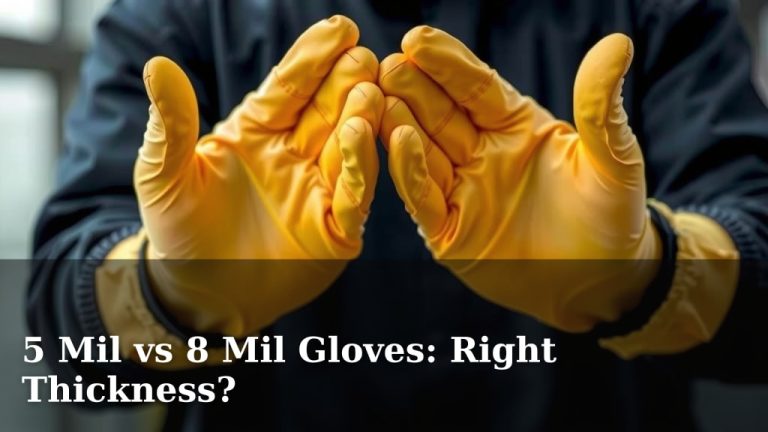
Gloves vs Bare Hands: Which Is Better for Your Tasks
Whether to wear gloves or go bare-handed often depends on the task at hand. For jobs involving germs, chemicals, or potential injury, gloves are usually the safest choice. However, for delicate tasks or when you need maximum dexterity, bare hands might be better.
We’ve all been there, wondering if our hands are up to the job or if we need that extra layer of protection. Research shows that the right choice can make a big difference in safety and efficiency. It’s not always a clear-cut answer, and understanding the pros and cons helps you decide.
- Gloves protect against germs and chemicals.
- Bare hands offer better feel and control for some tasks.
- The job dictates the best hand protection.
- Consider dexterity needs vs. safety risks.
- Always choose the right glove for the job if using them.
Let’s dive into the details of when to suit up with gloves and when your own hands will do the trick.
“`htmlChoosing the Right Hand Protection: Gloves or Bare Hands?
Deciding whether to reach for gloves or trust your bare hands involves more than just personal preference. It’s about making the smart choice for the specific job you’re doing. We found that understanding the risks and benefits of each approach can really improve your safety and effectiveness.
When Gloves Are Your Best Friend
Gloves act as a vital barrier in many situations. They are your first line of defense against a variety of hazards. Many experts point to gloves as essential when dealing with potential contaminants or substances that can harm your skin.
Protecting Against Germs and Bacteria
Think about handling raw meat or cleaning up after someone’s sick. In these scenarios, germs are everywhere. Wearing gloves can prevent the transfer of harmful bacteria and viruses. This is especially important for food handlers and healthcare professionals. The Centers for Disease Control and Prevention (CDC) often recommends gloves to reduce the spread of infections during patient care.
Shielding from Chemicals and Irritants
Many household cleaners, solvents, and industrial chemicals can cause skin irritation, burns, or even long-term health problems. Gloves made from materials like nitrile or neoprene provide a reliable shield. They stop these harsh substances from soaking into your skin. For anyone working with chemicals, proper glove selection is absolutely non-negotiable.
Preventing Cuts and Abrasions
Tasks involving sharp objects, rough materials, or heavy lifting can easily lead to cuts, scrapes, and blisters. Work gloves, often made of leather or thick synthetic materials, offer a protective layer. They absorb some of the impact and prevent direct contact with sharp edges. This is why construction workers and landscapers rely on them daily.
The Case for Going Bare-Handed
Sometimes, your own two hands are the best tools for the job. When do your bare hands shine? It often comes down to needing a more sensitive touch or a greater range of motion.
Enhanced Dexterity and Tactile Feedback
Have you ever tried to thread a needle with thick gloves on? It’s nearly impossible! For delicate tasks requiring fine motor skills, bare hands offer superior dexterity. You can feel the texture, weight, and shape of objects much more accurately. This is why artists, jewelers, and surgeons often prefer working without gloves, provided there’s no risk of contamination or injury.
Improved Grip and Control
While some gloves are designed for grip, they can sometimes make smooth or small objects slippery. Your natural skin texture can provide excellent traction. This is why some chefs prefer to feel ingredients directly, and why mechanics might opt for bare hands for certain intricate engine work.
Everyday Tasks and Comfort
For many simple, everyday activities like sorting mail, handling dry goods, or petting your dog, gloves are simply unnecessary. They can feel cumbersome and reduce your comfort. Going bare-handed is perfectly safe and often more practical for these low-risk situations.
Matching Gloves to the Task: A Quick Guide
If you’ve decided gloves are the way to go, choosing the right type is key. Not all gloves are created equal! Here’s a quick rundown of common types and when you might use them:
| Glove Type | Best For | Protection Against |
|---|---|---|
| Latex/Nitrile/Vinyl | Food prep, cleaning, medical | Germs, light chemicals, moisture |
| Leather/Canvas | Construction, gardening, moving | Abrasions, cuts, splinters |
| Rubber | Washing dishes, heavy cleaning | Harsh chemicals, hot water |
| Heat-Resistant | Cooking, handling hot items | Burns from heat |
What if the Wrong Glove is Worse?
Using the wrong type of glove can sometimes create more problems than it solves. For example, wearing porous gloves when handling strong chemicals defeats the purpose. Or, using thick gloves for a task requiring precision can lead to errors. We found that always checking the glove’s intended use is a smart step. Your local hardware store or safety supply expert can offer great advice.
Your Hand Protection Checklist
Before you start your next task, take a moment to consider your hands. Are you ready to tackle it safely and effectively? Use this quick checklist:
- Is there a risk of germs or contamination?
- Will you be handling chemicals or harsh substances?
- Are there sharp objects or rough surfaces involved?
- Do you need maximum dexterity and tactile feel?
- Is comfort and ease of movement a priority?
- Have you chosen the correct glove type if protection is needed?
By asking yourself these questions, you can confidently decide whether your own hands are ready or if it’s time to suit up with the right pair of gloves.
“`Conclusion
Your hands are essential tools, and protecting them wisely is key to safety and efficiency. We’ve seen that gloves offer a vital barrier against germs, chemicals, and injuries. Yet, for tasks demanding a sensitive touch or precise control, your bare hands are often superior. The decision hinges on the specific task, your environment, and the risks involved. Always assess the situation before you begin, and if gloves are necessary, make sure you’re choosing the right pair for the job to avoid unintended problems. Your careful choice ensures you get the work done right and keep your hands healthy.
Frequently Asked Questions
Can wearing gloves make me less careful?
Some research suggests that people might take more risks when wearing gloves, thinking they are fully protected. This is why it’s important to stay mindful of the task even when gloved. Always follow safe work practices regardless of whether you’re wearing gloves or not.
When should I absolutely avoid wearing gloves?
You should avoid gloves for tasks where extreme dexterity is critical and there’s no risk of harm or contamination. This includes detailed art projects, intricate electronic repairs, or handling very small, delicate items where a glove could cause you to lose precision or drop something important.
Are disposable gloves really effective for cleaning?
Yes, disposable gloves like nitrile or vinyl are very effective for general cleaning tasks. They prevent direct contact with dirt, germs, and cleaning chemicals. Just remember to remove and dispose of them properly after use to avoid spreading germs.
How do I know if my gloves are protecting me from chemicals?
Always check the glove’s packaging or specifications for the type of chemicals it’s resistant to. Materials like nitrile and butyl rubber offer good protection against many common chemicals, but specific resistances vary widely.
Is it okay to wear the same pair of gloves for multiple tasks?
Generally, no. It’s best practice to use a clean, appropriate pair of gloves for each distinct task, especially if there’s a risk of cross-contamination between different materials or environments. Reusing gloves can reduce their protective ability and spread unwanted substances.