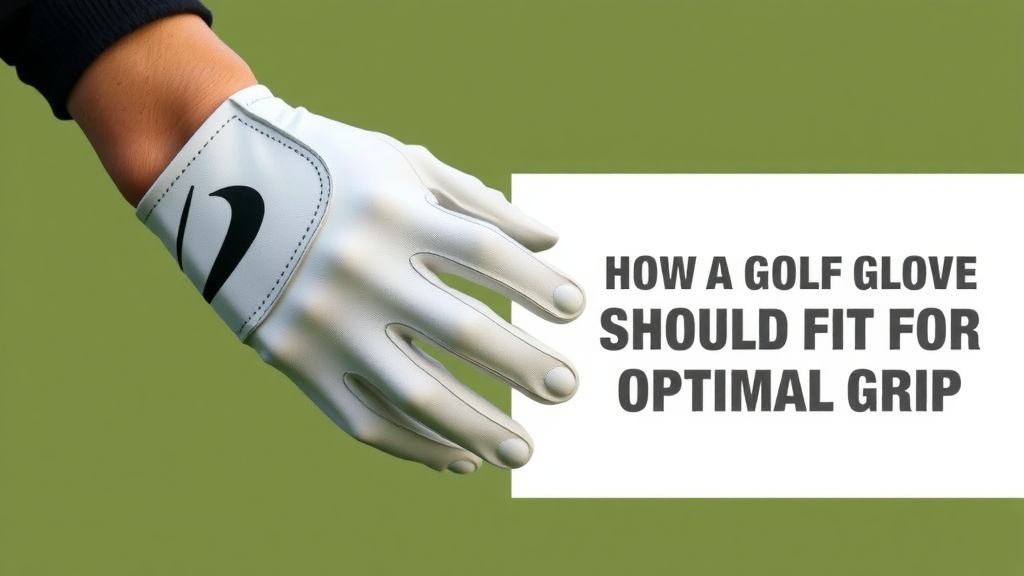
How a Golf Glove Should Fit for Optimal Grip
A golf glove should fit snugly, feeling like a second skin without any loose material. Your fingers should reach the very end of the glove, with no bunching or excess fabric. It’s important to have a perfect fit for better grip and control of your club.
Getting the right fit means more than just picking a size. A glove that’s too big will slip and hinder your swing. A glove that’s too tight can restrict your hand and cause discomfort. We found that many golfers overlook this, affecting their game.
- Your glove should feel snug, like a second skin.
- Fingers should reach the ends of the glove with no extra space.
- A tight fit prevents slipping and improves grip.
- Avoid gloves that are too big or too small.
Let’s walk through exactly how to check if your golf glove is fitting just right, so you can play with confidence.
Ensuring Your Golf Glove Fits Perfectly
Getting the right golf glove fit is essential for your game. A properly fitted glove feels like a second skin. It helps you maintain a consistent grip on the club. We found that many golfers struggle with glove fit. This can lead to a less confident swing. Let’s look at how to tell if your glove fits right.
How to Check Your Golf Glove Fit
The Feel: Snug but Not Tight
When you first put on your golf glove, it should feel snug. Imagine putting on a comfortable pair of socks. There shouldn’t be any pinching or extreme tightness. Your hand should feel secure inside the glove. We found that a glove that’s too loose will slip during your swing. This can cause you to grip the club too hard.
Finger Fit: Reaching the End
Pay close attention to your fingertips. They should reach the very end of the glove. There should be no extra fabric bunching up at the tips. If there’s too much space, the glove is likely too big. This extra material can interfere with your feel for the club. It might make it harder to make fine adjustments to your grip. We found that fingertip fit is a common area where golfers make mistakes.
Palm and Wrist: No Excess Material
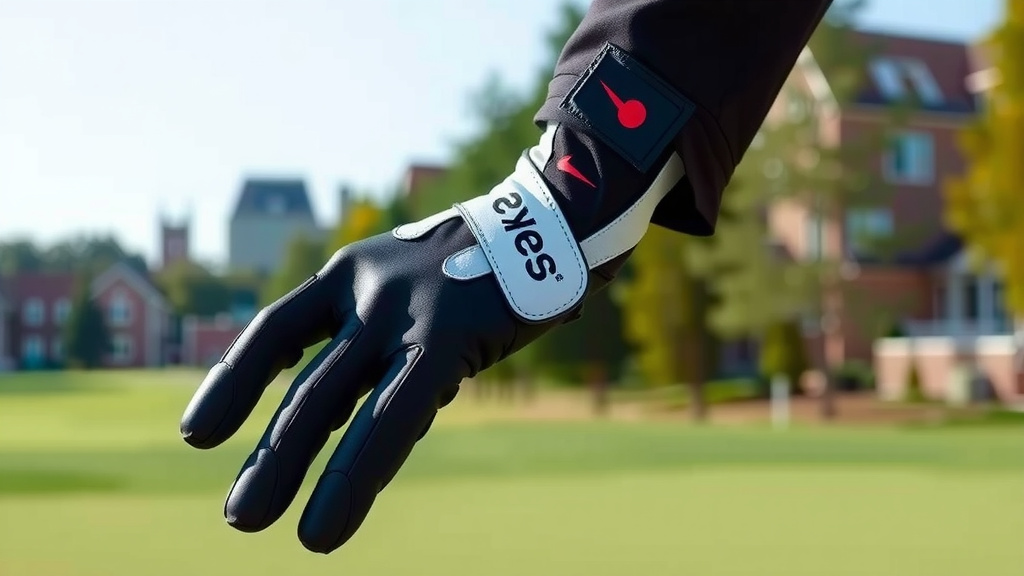
Look at the palm of your hand. The glove should lie flat against your skin. There shouldn’t be any loose material or sagging. This is especially true around the heel of your hand and your wrist. The strap should fasten comfortably. It should secure the glove without digging into your skin. We found that a glove with too much fabric here offers less control.
Movement and Comfort: Flexibility is Key
Can you move your fingers freely? A good glove allows for a full range of motion. You should be able to clench your fist without feeling restricted. The glove shouldn’t feel like it’s fighting your hand’s natural movement. We found that comfort is a major indicator of a good fit. If your hand feels cramped, the glove is probably too small. This can lead to hand fatigue during your round.
Common Glove Fitting Mistakes to Avoid
The “Too Big” Trap
Many golfers intentionally buy a glove that’s a bit too large. They might think it will stretch out over time. While some materials do stretch slightly, a glove that’s significantly too big will never fit correctly. This leads to slipping. It can cause blisters as the fabric rubs. We found that this is a very common mistake. It’s better to get the right size from the start.
The “Too Small” Problem
On the flip side, a glove that’s too small is also problematic. It restricts blood flow. This can make your hand feel cold and numb. It also limits your ability to adjust your grip. The discomfort can distract you from your game. We found that many women golfers struggle to find smaller sizes that fit well. Always prioritize a comfortable fit over a specific brand or look.
Tips for Finding Your Perfect Golf Glove Size
Measure Your Hand
Most glove manufacturers provide sizing charts. You’ll typically need to measure the length of your hand from the wrist to the tip of your middle finger. You may also need to measure the width of your palm. Always check the specific brand’s guide. Sizing can vary between different companies. We found that using a flexible measuring tape is best for accuracy.
Try Before You Buy (If Possible)
The best way to ensure a perfect fit is to try on gloves. Visit your local golf shop or sporting goods store. Put on a few different sizes and brands. See how each one feels on your hand. Pay attention to the snugness, fingertip fit, and overall comfort. We found that this hands-on approach is unbeatable for finding the right glove.
Consider the Material
Different glove materials offer different fits and feels. Leather gloves tend to be very soft and mold to your hand over time. Synthetic gloves might offer more durability. Mesh backs can add breathability. Think about what you prioritize in a glove. We found that the material can affect how snug the glove feels initially and how it stretches.
Checklist: Is Your Golf Glove Fitting Right?
- Fingertips reach the end of the glove?
- No loose material in the palm or wrist?
- Glove feels snug but not uncomfortably tight?
- You can clench your fist with ease?
- No pinching or excessive pressure points?
- Strap secures the glove comfortably?
Conclusion
Getting your golf glove to fit just right is more than just a preference; it’s a performance enhancer. You’ve learned that a glove should feel like a second skin – snug, with no excess material, especially in the fingertips and palm. A proper fit prevents slipping, improves your control over the club, and boosts your confidence on every swing. Don’t let a poor-fitting glove hold back your game. Your next step is to measure your hand and try on gloves using the tips you’ve just read to find your perfect match.
Frequently Asked Questions
How much should a new golf glove stretch?
A good golf glove will offer a slight stretch as you wear it, molding to your hand’s shape. However, it shouldn’t feel significantly too large when you first put it on. We found that a glove that needs a lot of stretching to feel right is likely the wrong size to begin with.
Can I wear a golf glove on both hands?
Most golfers wear a glove on their non-dominant hand only. Some players prefer to wear a glove on both hands for added comfort and grip, especially in wet conditions. If you choose to wear two gloves, ensure both fit equally well according to the guidelines.
What’s the difference between leather and synthetic golf gloves for fit?
Leather gloves are known for their soft feel and ability to conform closely to your hand over time. Synthetic gloves might feel a bit stiffer initially but can offer more consistent performance and durability, with less dramatic stretching.
Should my golf glove feel tight on my wrist?
The strap at the wrist should comfortably secure the glove without digging into your skin. It shouldn’t feel uncomfortably tight or leave red marks. We’ve found that a properly adjusted strap ensures there’s no loose material bunching around your wrist, contributing to a clean fit.
How often should I replace my golf glove?
The lifespan of a golf glove depends on how often you play, practice, and the material of the glove. Look for signs of wear like thinning material, torn seams, or a loss of grip. We recommend inspecting your glove regularly and replacing it when it no longer offers a secure, comfortable fit.