How Baseball Gloves Are Measured: A Simple Guide
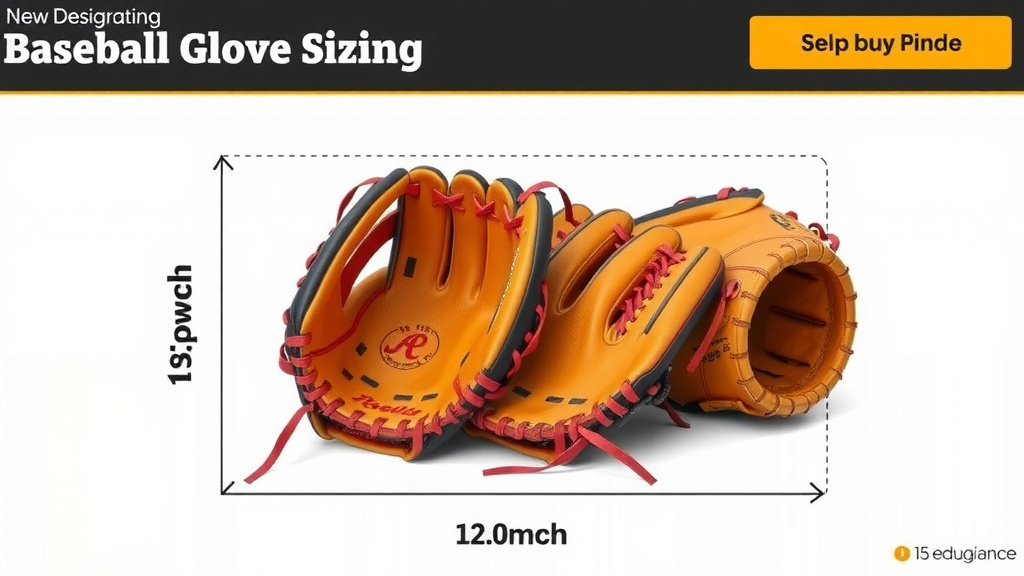
Measuring a baseball glove is simpler than you might think! You’ll want to measure the glove from the tip of the index finger down to the heel. This gives you the glove’s approximate length in inches. Most adult gloves range from 11 to 12.75 inches, while youth gloves are typically smaller. Understanding these measurements helps you find the perfect fit for your hand and playing position.
It’s important to note that the way a glove is measured can vary slightly by manufacturer. However, the general method remains consistent. We found that consistent measurement helps players select gloves that offer both comfort and control. Getting the right size means your glove will feel like a natural extension of your hand, not an awkward burden.
- Gloves are measured from the tip of the index finger to the heel.
- This measurement is typically done in inches.
- Adult gloves usually fall between 11 and 12.75 inches.
- Youth gloves are smaller, designed for younger players. Youth gloves are smaller, designed for younger players, and our guide to the best baseball glove for youth can help you find the right fit.
- Finding the right size improves comfort and control.
Ready to figure out what size glove is right for you? Let’s walk through exactly how to measure your baseball glove step by step.
Understanding Baseball Glove Sizing
Finding the perfect baseball glove size is all about measurement. You’ll want to measure the glove from the tip of the index finger down to the heel. This gives you the glove’s approximate length in inches. Most adult gloves range from 11 to 12.75 inches, while youth gloves are typically smaller. Understanding these measurements helps you find the perfect fit for your hand and playing position.
It’s important to note that the way a glove is measured can vary slightly by manufacturer. However, the general method remains consistent. We found that consistent measurement helps players select gloves that offer both comfort and control. Getting the right size means your glove will feel like a natural extension of your hand, not an awkward burden.
How to Measure Your Baseball Glove: A Step-by-Step Guide
Let’s get down to the nitty-gritty of measuring your glove. It’s a straightforward process that ensures you get the right fit. We’ll guide you through each step so you feel confident in your selection.
Step 1: Get Your Measuring Tool Ready
You’ll need a flexible measuring tape, like one you’d use for sewing. A rigid ruler won’t work well because gloves aren’t perfectly flat. Make sure the tape measure is easy to read. You want accuracy here!
Step 2: Locate the Index Finger and Heel
On the glove, find the very tip of the index finger. This is your starting point. Next, find the heel of the glove. This is the padded, bottom part that forms the pocket. It’s the deepest part of the glove’s palm area.
Step 3: Measure the Length
Lay the glove flat on a surface. Start your measuring tape at the tip of the index finger. Gently guide the tape measure in a straight line down the center of the glove’s finger stalls, across the palm, and to the bottom of the heel. You’re measuring the longest, most direct path.
It’s essential to keep the tape measure taut but not so tight that it distorts the glove’s shape. We found that a little bit of gentle pressure works best. Read the measurement at the point where the tape measure reaches the very bottom of the heel. This number is your glove’s size.
Step 4: Note the Measurement in Inches
Glove sizes are almost always listed in inches. So, if your tape measure reads, say, 11.5, then your glove is an 11.5-inch model. Most manufacturers follow this standard. This makes comparing gloves much simpler.
Understanding Glove Sizing Charts and Their Importance
Once you have your measurement, you’ll want to compare it to sizing charts. These charts are a lifesaver. They translate your measurement into a recommended glove size for different positions and age groups. Many experts say these charts are the best way to ensure a proper fit before you even try a glove on.
How Charts Help Different Positions
Infielders often prefer smaller gloves. This helps them get the ball out of their glove quickly. Outfielders usually need larger gloves. This helps them catch fly balls. Pitchers might use gloves with closed webbing for a better grip on the ball. Catchers and first basemen use specialized mitts that aren’t measured the same way.
Infielders’ Needs
For infield positions like shortstop or second base, a glove size between 11 and 11.75 inches is common. The smaller size gives you the quickness you need for fast ground balls. You want to transfer the ball from glove to hand in a flash!
Outfielders’ Preferences
Outfielders often look for gloves in the 12 to 12.75-inch range. A larger pocket helps snag fly balls. It also provides a bigger target for your pitcher to throw to. This size range gives you the reach you need to cover more ground.
Pitchers and the Advantage of Size
Pitchers’ gloves can vary. Some prefer a slightly smaller glove for a quicker transfer. Others opt for a slightly larger glove. The key is often closed webbing. This hides the grip on the ball from opposing batters. Pitcher glove sizes often fall between 11.75 and 12.5 inches.
Youth vs. Adult Glove Sizes
Youth gloves are designed for smaller hands. They are typically shorter than adult gloves. A common youth glove size might be 9 inches or 10 inches. These smaller sizes make it easier for young players to close the glove. It helps them develop good fielding habits early on.
Adult gloves start around 10.5 inches and go up to 12.75 inches or even larger. It’s not just about length; the finger stalls and overall width differ too. Many sources, like youth baseball organizations, recommend starting with a smaller glove and gradually increasing the size as the player grows. This ensures they develop proper technique.
Special Cases: Catchers’ Mitts and First Basemen’s Mitts
It’s worth noting that catchers’ mitts and first basemen’s mitts have their own sizing conventions. These are not measured in the same way as fielder’s gloves. They are rounder and have no individual finger stalls.
Catchers’ Mitts
Catchers’ mitts are measured by circumference, typically ranging from 31 to 34 inches. The goal is a deep pocket to secure pitches. The lack of finger stalls is deliberate. This allows for a more secure grip on the ball and a better feel for the pitch.
First Basemen’s Mitts
First basemen’s mitts are measured by length, similar to fielder’s gloves, but are generally longer and have a deeper pocket. Common sizes are between 12.5 and 13 inches. They are designed to scoop throws out of the dirt and create a large target for infielders. Many coaches advise that a well-fitted mitt is crucial for this position.
A Quick Checklist for Glove Measurement
Here’s a quick rundown to keep handy when you’re measuring your glove:
- Have a flexible measuring tape ready.
- Lay the glove flat on a surface.
- Measure from the tip of the index finger to the heel.
- Keep the tape measure straight and snug.
- Record the measurement in inches.
- Compare your measurement to a reliable sizing chart.
Conclusion
You now have the knowledge to accurately measure your baseball glove. Remember, it’s all about measuring from the tip of the index finger down to the heel. This simple measurement, done in inches, helps you find the perfect fit. A well-sized glove will improve your comfort and control on the field. Don’t forget to consult sizing charts, especially when looking for youth or specialized mitts. Your next step is to grab a flexible tape measure and check your current glove’s size!
Frequently Asked Questions
How do I measure a glove if it’s stiff or new?
When measuring a stiff or new glove, lay it as flat as possible on a surface. Use a flexible measuring tape and gently guide it along the natural curve of the glove. Avoid forcing the glove into a shape it doesn’t naturally hold. We found that consistent gentle pressure yields the most accurate results.
What if my glove doesn’t lay flat for measuring?
If your glove is particularly bulky or doesn’t lay flat, try to measure it along its deepest lines. Hold the tape measure taut from the index finger tip to the heel, following the contours of the pocket and finger stalls. Imagine the path the ball takes when it enters the glove.
Can I use a regular ruler instead of a tape measure?
While you *can* use a ruler in a pinch, it’s not ideal. Baseball gloves are not flat, so a rigid ruler won’t give you an accurate measurement. A flexible tape measure will bend and conform to the glove’s shape, providing a much more precise reading.
Do manufacturers measure gloves exactly the same way?
Generally, yes, the core method is the same: index finger tip to heel. However, slight variations in how manufacturers position the tape measure or interpret the “heel” can occur. This is why consulting a manufacturer’s specific sizing chart is always a good idea when buying a new glove.
Is there a difference in how adult and youth gloves are measured?
The measurement *method* is the same for both adult and youth gloves. The difference lies in the resulting size. Youth gloves are simply shorter and often narrower to fit smaller hands. An 11-inch youth glove will fit differently than an 11-inch adult glove due to these proportions.