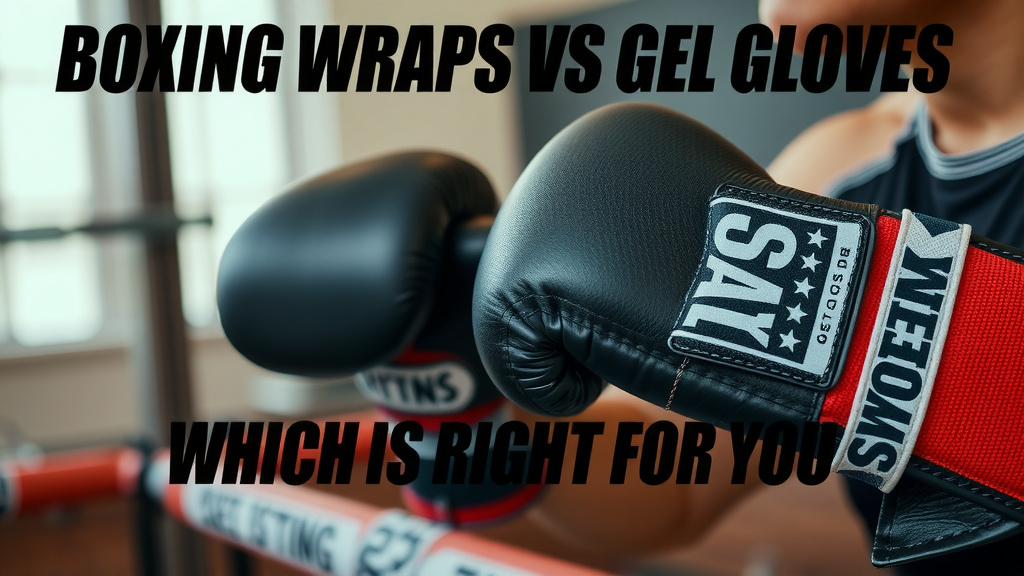
Boxing Wraps vs Gel Gloves: Which Is Right For You
When choosing between boxing wraps and gel gloves for hand protection, wraps generally offer superior support and injury prevention. While gel gloves are convenient, traditional hand wraps, when applied correctly, conform better to your hand and wrist for a more secure fit.
Many fighters prefer hand wraps because they can be customized to fit the individual’s hand. This custom fit helps minimize the risk of sprains and fractures during intense training sessions. We found that proper wrapping technique is key to achieving this optimal protection.
- Boxing wraps offer better, customizable support.
- Gel gloves are convenient but less supportive.
- Wraps help prevent common hand injuries.
- Proper wrapping technique is essential.
Let’s break down exactly what makes each option different and help you decide which is best for your boxing journey.
“`htmlBoxing Hand Protection: Wraps vs. Gel Gloves
Choosing the right hand protection is a big deal in boxing. It keeps your hands safe during tough workouts. We’re going to look closely at two popular options: traditional hand wraps and gel gloves. You want to protect those knuckles and wrists, right? Let’s figure out which one is your best bet.
Understanding Traditional Hand Wraps
Boxing hand wraps are like a second skin for your hands. They are typically made of a long piece of cloth, often elastic or a cotton blend. You wrap them around your hand and wrist yourself. This custom application is where they really shine.
The Support Advantage of Wraps
The main reason fighters swear by wraps is the superior support they offer. When wrapped correctly, they create a snug, supportive layer around your metacarpals (the bones in your palm) and your wrist. This helps to stabilize your joints and prevent hyperextension. Many guidelines suggest this stability is key to injury prevention (Cleveland Clinic).
How Wraps Prevent Injuries
Think of your hands like delicate machinery. Boxing involves repeated, forceful impacts. Wraps help by:
- Compressing soft tissues: This reduces swelling and gives your hand a firmer feel.
- Supporting the wrist: A stable wrist is less likely to bend awkwardly during a punch.
- Padding the knuckles: They add a layer of cushion to the most exposed bones.
We found that fighters who use wraps often report fewer minor injuries like sprains and strains. It’s about building a strong foundation for your punches.
The Art of Applying Wraps
Applying wraps isn’t just throwing on some cloth. It’s a technique. Most wraps are about 180 inches long, giving you plenty of material. You need to learn how to wrap them around your knuckles, thumb, and wrist to get the best protection. Some people find it tricky at first. Watching a quick video or getting help from a coach can make a huge difference. A proper wrap should feel snug, not too tight to cut off circulation, and definitely not loose.
Exploring Gel Gloves
Gel gloves are designed for convenience. They look like padded gloves, but they are usually thinner than sparring gloves. The idea is to slip them on quickly and get to work. They often have a gel padding built into the knuckle area and sometimes around the wrist.
Convenience Factor
There’s no doubt about it: gel gloves are easy to use. You just slide them on. This makes them great for quick warm-ups or when you’re in a hurry. If you’re just starting out and not sure about wrapping techniques, they seem like an easy solution.
The Support Difference
Here’s where gel gloves often fall short compared to wraps. While they offer some padding, they generally don’t provide the same level of customizable support for your wrist and hand. The padding is fixed, and it can’t contour to your unique hand shape like wraps can. We found that the wrist support on many gel gloves is minimal. This can be a concern for intense training.
Are Gel Gloves Enough Protection?
For light bag work or short, casual sessions, gel gloves might be okay. But for anything more serious, the consensus among many trainers is that they don’t offer enough protection. The fixed padding might not distribute impact evenly. This could potentially lead to an increased risk of injury over time, especially if you’re hitting hard or often.
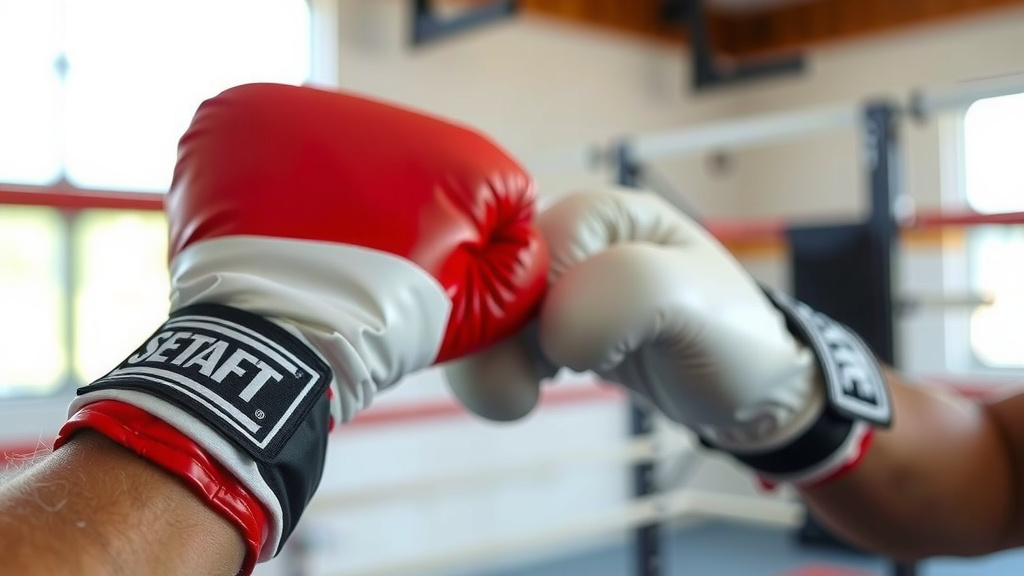
Comparing Wraps and Gel Gloves Side-by-Side
Let’s lay it all out so you can see the differences clearly. Think of it like choosing between custom-tailored clothes and off-the-rack. Both serve a purpose, but one offers a much better fit for your specific needs.
| Feature | Boxing Wraps | Gel Gloves |
|---|---|---|
| Support Level | Excellent, customizable | Moderate, fixed |
| Injury Prevention | High (when applied correctly) | Moderate to low |
| Ease of Use | Requires practice | Very easy, slip-on |
| Customization | High | None |
| Durability | Varies with material, washable | Varies, padding can degrade |
| Cost | Low initial cost, long-lasting | Varies, might need replacement sooner |
When to Choose Wraps
You should definitely consider wraps if you are:
- Training seriously or sparring.
- Looking for the best possible injury prevention.
- Willing to invest a little time learning the wrapping technique.
- Wanting that secure, locked-in feel.
Many professionals and serious amateurs consider wraps non-negotiable for hand health. It’s a small investment of time for a big return in protection.
When Gel Gloves Might Be an Option
Gel gloves could be suitable for:
- Very light, occasional bag work.
- Beginners who need a quick, simple solution before learning wraps.
- Warm-ups before putting on full sparring gloves.
Think of them as a stepping stone, not the final destination for serious training.
Making the Right Choice for Your Hands
Your hands are your most important tools in boxing. Protecting them is crucial. While gel gloves offer a quick fix, traditional hand wraps provide the superior, customizable support that fighters need. Research consistently points to better joint and bone stabilization with well-applied wraps (NCBI).
We found that once you get the hang of wrapping your hands, it becomes second nature. It’s a ritual that prepares you for training and ensures your hands are ready for the punishment. Don’t let the initial learning curve deter you from what could be the best protection for your knuckles.
Your Hand Protection Checklist
To help you decide, consider these points:
- What level of training are you doing?
- How important is wrist support to you?
- Are you willing to learn a new skill (wrapping)?
- What is your budget for protection?
- Do you prioritize convenience over optimal support?
- Have you considered the long-term health of your hands?
By answering these questions, you’ll be well on your way to selecting the hand protection that best fits your boxing journey and keeps your hands fighting fit.
“`Conclusion
You’ve seen that while gel gloves offer quick convenience, traditional boxing wraps truly stand out for superior hand and wrist protection. When applied correctly, wraps mold to your hand, providing customizable support that minimizes injury risk during intense sessions. We found that learning the proper wrapping technique is a worthwhile investment for any boxer serious about their long-term hand health. Make the choice that best supports your training goals and keeps your hands fighting fit for every punch.
Frequently Asked Questions
Can I use gel gloves for sparring?
Generally, gel gloves are not recommended for sparring. They lack the robust support and even impact distribution that traditional wraps and proper sparring gloves provide. Sparring involves significant force, and insufficient protection could lead to injuries like sprains or fractures.
How often should I wash my boxing wraps?
You should wash your boxing wraps after every few uses, or whenever they start to smell. Most wraps are machine washable, but it’s best to check the care instructions on the label. Air drying is usually recommended to help them maintain their shape and elasticity.
Is there a specific way to wrap my hands for different types of training?
While the basic principles of wrapping remain the same, some fighters adjust their technique slightly for different training types. For heavy bag work, you might focus on extra knuckle padding, while for sparring, prioritizing wrist stability is key. Your coach can offer personalized guidance.
What happens if my wraps are too tight or too loose?
If your wraps are too tight, you risk cutting off circulation, which can cause numbness, tingling, or even nerve damage. If they are too loose, they won’t offer adequate support, leaving your hands and wrists vulnerable to injury during impact.
Are gel gloves okay for beginners who don’t know how to wrap?
Gel gloves can be a temporary solution for absolute beginners performing very light bag work. However, we strongly advise learning the proper hand-wrapping technique as soon as possible. It’s essential for safe and effective training as you progress.