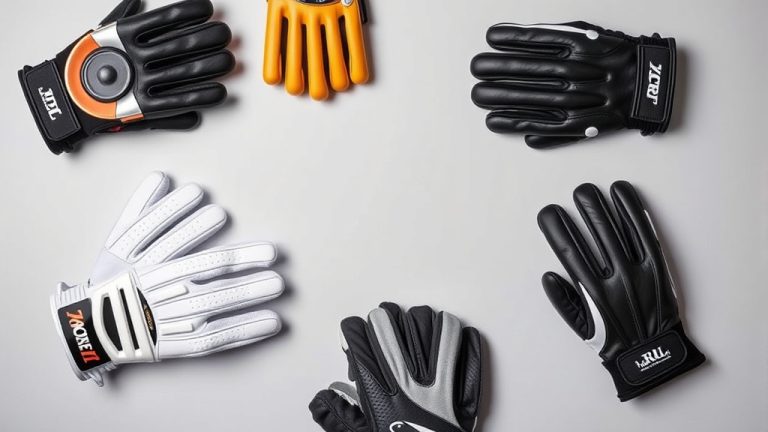
Boxing Training Gloves vs Bag Gloves: Which Is Right For You
When choosing your boxing gear, it’s important to know the difference between boxing training gloves and bag gloves. Training gloves offer better wrist support and padding for sparring. Bag gloves are thinner and designed for striking heavy bags or pads. Using the wrong glove can lead to injury, so picking the right one is key for your safety and performance.
Many fighters wonder if they can use one type for all their workouts. While a bag glove might seem like a good all-around option, it doesn’t provide the same hand protection during sparring. Training gloves, on the other hand, offer more cushioning to protect your hands and your partner’s face. We found that understanding these differences can greatly improve your training experience.
- Training gloves are best for sparring and general gym work.
- Bag gloves are specifically for hitting heavy bags and pads.
- Training gloves offer more wrist support and overall padding.
- Bag gloves are thinner, allowing for a better feel of the bag.
- Using the correct glove prevents injuries.
Let’s dive into what makes each glove unique and when you should reach for them.
Boxing Glove Basics: Training vs. Bag Gloves
So, you’re hitting the gym and wondering which gloves to grab for your workout. It’s a common question among boxers, new and experienced alike. You see different types of gloves, and they all look pretty similar. But trust us, there’s a big difference. Think of it like using a hammer for nails versus a hammer for delicate woodworking. You need the right tool for the job. We’ve found that understanding this basic distinction can save your hands and improve your training.
What Exactly Are Training Gloves?
Training gloves are your go-to for most gym activities. They’re designed to offer a good balance of protection and feel. You’ll use these for sparring, hitting the speed bag, and general conditioning. Their primary job is to protect your hands and your training partner. We found that they usually have more padding around the knuckles and a more structured design.
Padding and Protection for Sparring
When you’re sparring, you’re in close contact with another person. Your gloves need to cushion the impact for both of you. Training gloves have substantial padding, often made of foam or gel. This padding is crucial for absorbing shock. It helps prevent injuries to your hands, wrists, and fingers. It also protects your partner from getting hurt by your punches. Many experts recommend training gloves for any situation involving contact with another person (American Council on Exercise).
Wrist Support: A Key Feature
Another big plus for training gloves is the wrist support. Most training gloves feature a secure hook-and-loop (Velcro) closure. This helps to stabilize your wrist during punches. A stable wrist is less prone to sprains and breaks. We found that good wrist support can really build your confidence when throwing harder shots.
What Are Bag Gloves?
Bag gloves are more specialized. As the name suggests, they are made primarily for hitting heavy bags, Thai pads, and other training equipment. They are generally thinner and less padded than training gloves. This design gives you a better feel for the bag and allows for more focused striking. Think of them as a more direct connection to your target.
Designed for Striking Surfaces
The main goal of bag gloves is to protect your hand from the impact of the bag. They still offer padding, but it’s usually less bulky. This allows you to really feel the punch connect. Some fighters prefer this feel for developing precision and power. We found that using bag gloves can help you feel when your technique is correct.
Lighter and More Flexible
Bag gloves tend to be lighter than training gloves. They often have a more streamlined fit. This makes them feel less cumbersome on your hands. The reduced padding means they aren’t ideal for sparring. You wouldn’t want to land a punch on someone’s head with a glove that offers minimal shock absorption.
Direct Comparison: Key Differences
Let’s break down the core differences side-by-side. It’s not about one being “better” than the other. It’s about using the right glove for the right task. We’ve put together a quick look to help you see the distinctions clearly.
| Feature | Boxing Training Gloves | Bag Gloves |
| Primary Use | Sparring, general training, heavy bag | Heavy bag, pads, mitts |
| Padding | Thicker, more protective | Thinner, less protective |
| Wrist Support | Excellent, secure closure | Good, but often less structured |
| Feel | More cushioned, less direct | More direct, better bag feel |
| Injury Prevention | High for hands and sparring partners | Focuses on hand protection from equipment |
| Weight | Generally heavier | Generally lighter |
Why Using the Wrong Glove is a Bad Idea
Imagine trying to swim with jeans on. It’s not going to work well, and you’ll feel uncomfortable. Using the wrong boxing gloves is similar. If you use bag gloves for sparring, you risk injuring yourself and your partner. The lack of padding means punches won’t be absorbed as well. This can lead to hand injuries like sprains or fractures. Many medical resources highlight the importance of proper protective gear in combat sports (National Institutes of Health).
On the flip side, using very padded training gloves for extensive bag work might feel a bit clunky. You might not get the same tactile feedback from the bag. While it won’t typically cause injury, it can hinder your technique development. We found that dedicated bag gloves can help you refine your power shots.
When to Choose Which Glove
The decision really comes down to your training schedule. If you spend a lot of time sparring, you absolutely need a good pair of training gloves. They are your best defense against impact. If your training focuses heavily on hitting the heavy bag or pads, bag gloves can be an excellent choice.
Your Training Glove Checklist
Here’s a quick rundown to help you decide:
- Do you spar regularly? Grab training gloves.
- Are you hitting the heavy bag for most of your workout? Bag gloves might be better.
- Do you need maximum wrist support for hard punches? Look at training gloves.
- Do you want to feel the impact of your punches more directly? Bag gloves offer that.
- Are you concerned about protecting your training partner? Always use training gloves for sparring.
- Is hand and wrist protection your top priority? Training gloves provide the most.
A Note on All-Around Gloves
Some brands offer “all-around” gloves. These often try to split the difference. They might have decent padding and some wrist support. However, we found that for serious training, having separate gloves for sparring and heavy bag work is usually the most effective approach. It ensures you have optimal protection and feel for each specific activity. It’s like having a chef’s knife and a bread knife – both useful, but for different tasks.
Conclusion
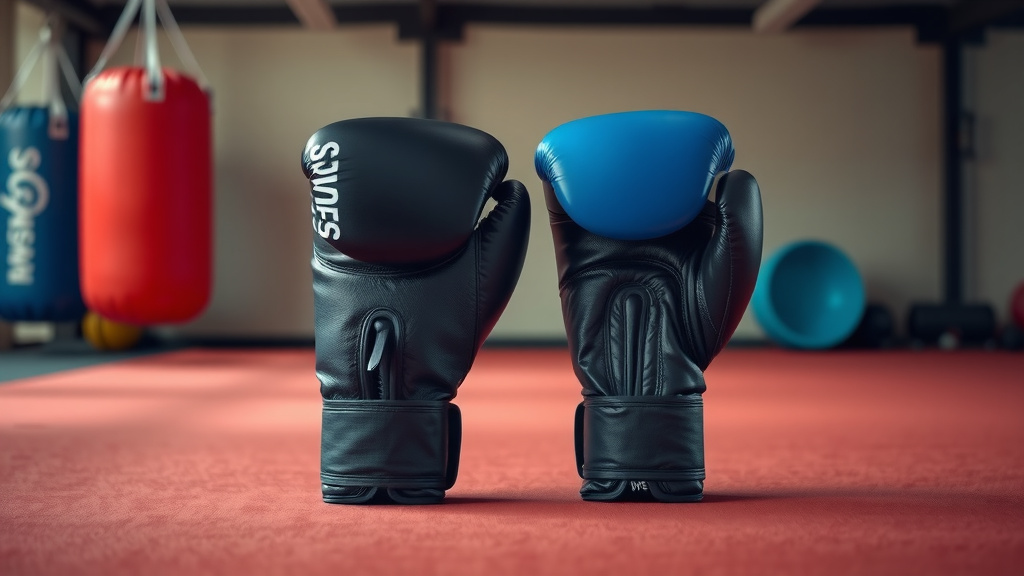
You’ve learned that boxing training gloves and bag gloves are distinct tools. Training gloves offer superior wrist support and padding for sparring and general gym work. Bag gloves, on the other hand, provide a thinner, more direct feel for striking heavy bags and pads. Using the right glove protects your hands and your training partners. For serious improvement and safety, it’s best to have both.
So, take a look at your current gear and training routine. If you’re sparring, ensure you have proper training gloves. If you’re spending most of your time on the bag, consider a dedicated pair of bag gloves. Making this simple switch can make a big difference in your comfort and performance.
Frequently Asked Questions
Can I use bag gloves for sparring?
It’s generally not recommended. Bag gloves have less padding and offer minimal shock absorption. This can put you and your sparring partner at risk of injury. Training gloves are designed with thicker padding and better wrist support specifically for sparring.
Can I use training gloves for heavy bag work?
Yes, you can use training gloves for heavy bag work. They offer good protection for your hands. However, they are often bulkier and have more padding. This might reduce your feel for the bag compared to using dedicated bag gloves.
Are bag gloves lighter than training gloves?
Yes, bag gloves are typically lighter and feel more streamlined. This is due to their thinner padding and design. Training gloves are usually heavier because they incorporate more padding and wrist support features.
How do I know if my gloves fit properly?
Your gloves should fit snugly but not be too tight. You should be able to make a fist comfortably inside them. There shouldn’t be excessive room or pressure points. Your fingers should reach the end of the glove without hitting the padding.
How often should I replace my boxing gloves?
You should replace your gloves when they show signs of significant wear. This includes torn padding, damaged seams, or loss of wrist support. For heavy users, this might be every 6-12 months. For lighter use, they could last longer.