Black Nitrile vs Blue Gloves: The Difference
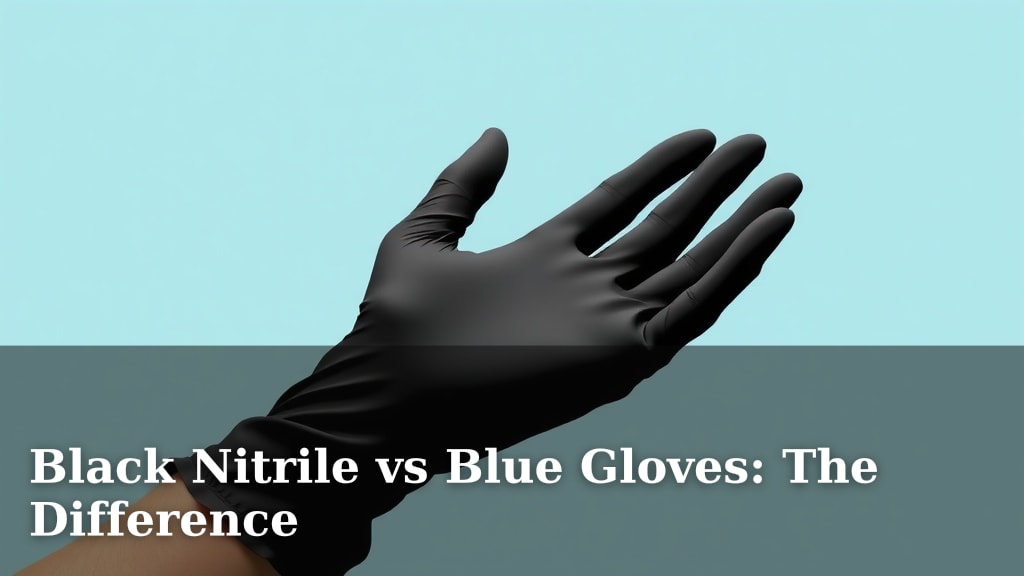
So, you’re wondering about black nitrile vs. blue gloves? The main difference comes down to color and thickness. Black gloves are often a bit thicker, making them great for jobs with a higher risk of tears. Blue gloves are typically thinner and more flexible, which many prefer for tasks requiring more dexterity.
Both types offer excellent protection against chemicals and bodily fluids. We found that many professionals choose based on the specific demands of their work. For example, mechanics often prefer black gloves because the color hides grease and grime. Dental professionals might lean towards blue for easier visibility of small particles.
- Black nitrile gloves are usually thicker and better for rougher tasks.
- Blue nitrile gloves are often thinner, offering better feel for delicate work.
- Both protect well against punctures and chemicals.
- Color is often a personal preference or job-specific choice.
- Check the thickness (mil rating) for the best protection level.
Let’s break down the key distinctions between black and blue nitrile gloves to help you pick the perfect pair for your needs.
Understanding the Differences: Black vs. Blue Nitrile Gloves
You’re likely here because you’ve seen both black and blue nitrile gloves and wondered if there’s a real reason behind the color choice. We found that for many, the difference boils down to function and feel. While both offer robust protection, their typical construction can lead to distinct advantages in different scenarios.
Nitrile gloves, in general, are a popular choice for their durability and resistance to a wide range of chemicals. This makes them a go-to for many professions. But what makes one color often preferred over another? Let’s look closer.
Thickness: A Key Differentiator
When comparing black nitrile gloves to their blue counterparts, one of the most common distinctions we see is their average thickness. This isn’t a hard and fast rule for every single glove on the market, but it’s a strong trend.
The Robustness of Black Nitrile
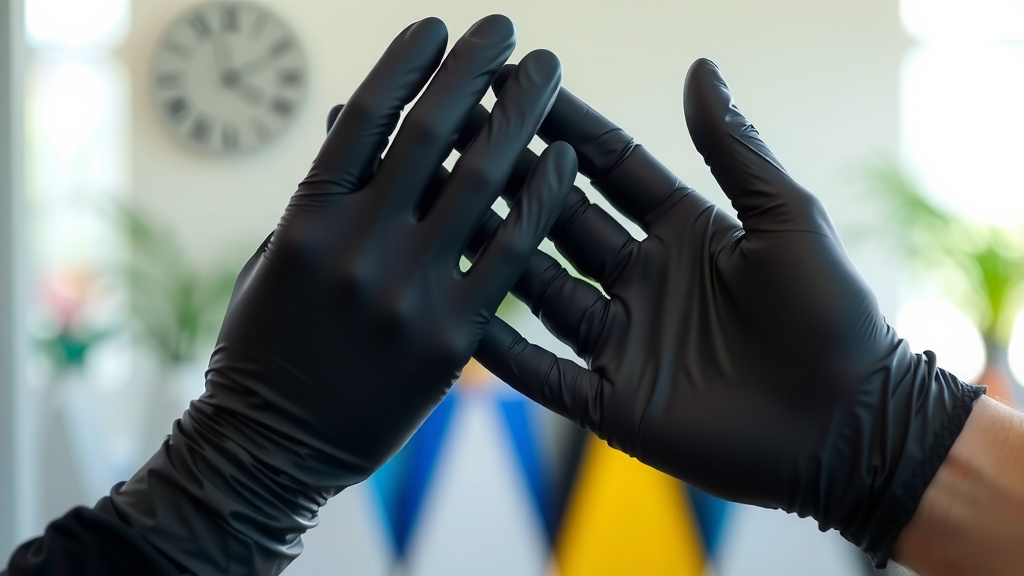
Black nitrile gloves are frequently manufactured to be thicker. This added material provides an extra layer of defense. Think of it like wearing a heavier-duty work boot versus a lighter athletic shoe. The thicker glove offers increased resistance to punctures and tears.
This makes them a favorite in industries where gloves face a lot of stress. We’ve seen mechanics, auto detailers, and even tattoo artists opt for black gloves. Why? Because the thicker material can better withstand contact with sharp objects or abrasive surfaces. It helps prevent those annoying, frustrating rips that can compromise your protection.
The Dexterity of Blue Nitrile
On the other hand, blue nitrile gloves often come in a thinner gauge. This isn’t to say they’re flimsy; they still provide excellent barrier protection. However, the reduced thickness generally translates to a more tactile feel.
This enhanced sensitivity is why many professionals in healthcare and laboratory settings prefer blue gloves. We found that tasks requiring fine motor skills, like examining small samples or performing delicate procedures, benefit from the thinner material. It allows for better dexterity and precision. You can feel what you’re doing with greater accuracy.
Many dental professionals, for instance, choose blue gloves. The color also helps in spotting blood or other bodily fluids, making it easier to maintain a clean and safe working environment (CDC guidelines emphasize visual inspection for contamination).
Color: More Than Just Aesthetics
While the functional differences in thickness are significant, the color itself plays a role in glove selection for many users. It’s not just about looking good; it can be about practicality and visibility.
The Practicality of Black
For professions that deal with grease, oil, dirt, and other dark substances, black gloves are a clear winner in terms of hiding grime. Imagine working on an engine or detailing a car; the inevitable smudges won’t be as visible on black gloves.
This can make a big difference in how a person feels about their work throughout the day. It’s a small thing, but it can contribute to a sense of professionalism and cleanliness, even when you’re in the thick of a messy job. We found this to be a major reason for their popularity in automotive fields.
The Visibility of Blue
Conversely, the classic blue color is often chosen for its contrast. In medical and dental settings, blue gloves can make it easier to see certain materials or fluids. This enhanced visibility can be critical for ensuring proper hygiene and identifying potential issues.
Some experts suggest that the blue color can also help in identifying glove tears more easily. If a small tear occurs, the color might stand out against certain backgrounds or fluids, prompting a quicker change of gloves. This proactive approach is a key part of maintaining safety protocols.
Protection: Where Both Shine
Regardless of color, nitrile gloves are renowned for their protective qualities. They offer superior resistance to punctures, tears, and a broad spectrum of chemicals compared to latex or vinyl gloves.
You can trust that both black and blue nitrile gloves will provide a reliable barrier against bacteria, viruses, and hazardous substances. When choosing, always look at the mil rating (thickness) and any specific certifications for the type of protection you need.
Making Your Choice: A Quick Checklist
So, how do you decide which color is right for you? Consider these points:
- Do you work with grease, oil, or dark substances?
- Are you frequently exposed to sharp objects or rough surfaces?
- Do you need maximum tactile sensitivity for delicate tasks?
- Is easy visibility of fluids or contaminants important for your work?
- What is the typical wear and tear your gloves endure?
We found that many users simply have a personal preference. If you find one color more comfortable or aesthetically pleasing, and it meets your job’s safety requirements, that’s often the best choice!
| Feature | Typically Black Nitrile | Typically Blue Nitrile |
|---|---|---|
| Average Thickness | Thicker (often 5 mil or higher) | Thinner (often 3-4 mil) |
| Primary Advantage | Puncture & tear resistance | Dexterity & tactile feel |
| Common Industries | Automotive, industrial, tattoo | Healthcare, dental, laboratory |
| Color Benefit | Hides grease and grime | Better contrast, easier to spot contaminants |
| Protection Level | Excellent general protection | Excellent general protection |
Ultimately, both black and blue nitrile gloves are excellent choices for protection. The color often guides you toward the glove’s intended use based on its typical construction. By understanding these nuances, you can confidently select the pair that best suits your daily tasks and ensures your safety and comfort.
Conclusion
So, you’ve learned that the color of your nitrile gloves often points to their purpose. Black nitrile gloves typically offer a thicker, more robust feel, ideal for tougher jobs where tears are a concern. Blue nitrile gloves are often thinner and more flexible, giving you that crucial dexterity for precision tasks. Remember, protection is key, and both colors provide excellent barrier defense. Your best bet is to consider your daily tasks and choose the glove that feels right and keeps you safe. Go ahead and pick the pair that matches your work’s demands!
Frequently Asked Questions
Can I use blue nitrile gloves for automotive work?
Yes, you can! While black gloves are often preferred for hiding grease, blue nitrile gloves still offer excellent chemical resistance and protection. If dexterity is more important for a specific automotive task, blue gloves can be a great choice.
Are black nitrile gloves always thicker than blue ones?
Not always, but it’s a common trend we’ve found. Black nitrile gloves are frequently manufactured to be thicker for enhanced durability. Always check the mil rating on the box to confirm the exact thickness for the protection you need.
Is there a difference in chemical resistance between black and blue nitrile gloves?
Both black and blue nitrile gloves offer comparable and excellent resistance to a wide range of chemicals. The primary differences lie in their typical thickness and color, not their fundamental chemical barrier properties.
Which color glove is better for spotting contamination?
Blue nitrile gloves are often better for spotting contamination. The brighter color can create more contrast against bodily fluids or other substances, making it easier for you to visually identify any potential issues and change your gloves promptly.
Does the color of nitrile gloves affect their allergy potential?
No, the color of nitrile gloves does not affect their allergy potential. Nitrile itself is a synthetic rubber that is hypoallergenic, making it a great alternative for those with latex allergies, regardless of the glove’s color.