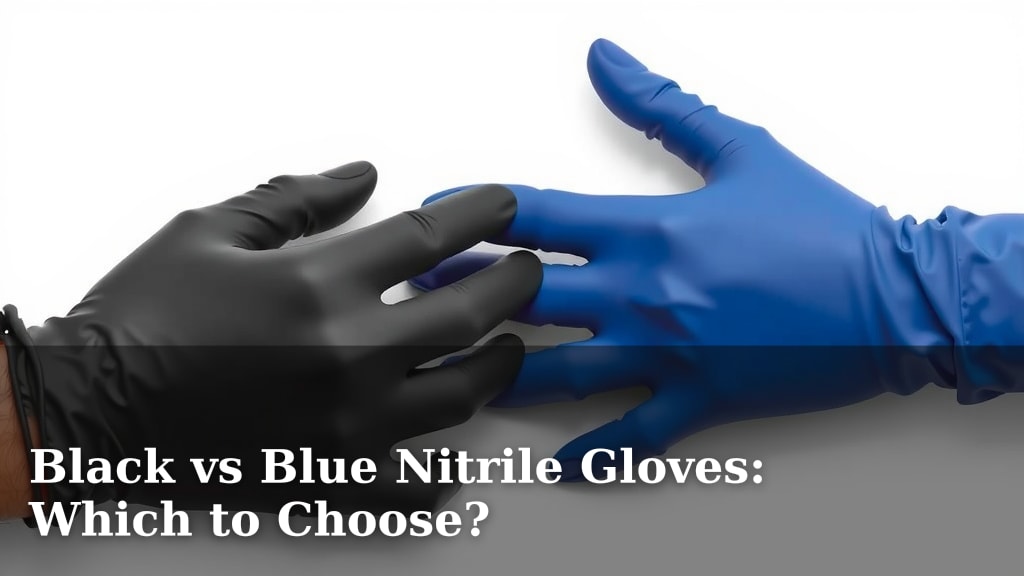
Black vs Blue Nitrile Gloves: Which to Choose?
When choosing between black and blue nitrile gloves, the decision often comes down to visibility and application. Blue gloves are typically preferred in medical settings for their better contrast against skin, helping to spot potential tears or contamination. Black gloves offer superior visibility of stains, making them a popular choice in automotive, tattoo, and industrial environments where dark substances are common.
Both blue and black nitrile gloves provide excellent chemical resistance and durability. They are a great alternative to latex for those with sensitivities. The color choice primarily impacts how easily you can see what’s happening on the glove’s surface. This distinction helps maintain hygiene and safety standards across various professions.
- Blue gloves are best for medical use to spot contamination.
- Black gloves excel at showing stains in industrial jobs.
- Both offer strong chemical protection.
- Nitrile is a great option for latex allergies.
- Choose based on your work environment and visibility needs.
Let’s break down the differences and help you decide which color is the right fit for your needs.
Choosing the Right Nitrile Glove Color for Your Job
So, you’re staring at a box of nitrile gloves. You see blue ones, you see black ones. They look pretty similar, right? But there’s a reason both colors exist, and it really boils down to one main thing: visibility. Your work environment is the biggest clue to which color will serve you best. Let’s figure out which shade of protection is the right fit for you.
Understanding the Core Differences: Blue vs. Black
At their heart, both blue and black nitrile gloves offer the same fundamental benefits. They’re made from the same synthetic material, nitrile rubber. This means you get fantastic durability and strong resistance to a wide array of chemicals. Plus, they’re a lifesaver for anyone allergic to latex. The color isn’t about performance; it’s about practicality in different settings.
The Blue Glove Advantage: Visibility in Medical Fields
Why are blue nitrile gloves so common in hospitals and dental offices? It’s all about contrast. Think about it: skin tones are generally lighter. Blue gloves stand out beautifully against skin. This makes it much easier for healthcare professionals to quickly spot any tears or punctures in the glove. Seeing a tiny hole could be the difference between preventing an infection and spreading one. It also helps in spotting any contaminants that might land on the glove’s surface. This visual cue is a big part of maintaining a sterile environment.
We found that many medical guidelines recommend the use of blue gloves specifically for this reason. The contrast helps ensure that even minor breaches in glove integrity are noticed immediately. This isn’t just about a doctor’s comfort; it’s a key hygiene measure.
The Black Glove Advantage: Hiding the Mess
Now, let’s talk about black gloves. Have you ever worked with grease, ink, or dark oils? If so, you know how quickly lighter-colored gloves can become stained and look downright grimy. Black gloves are masters at hiding these kinds of stains and smudges. This makes them incredibly popular in fields like:
- Automotive repair
- Tattoo artistry
- Industrial manufacturing
- Barbering and hairstyling
- Food service (especially with darker ingredients)
When you’re working with dark substances, black gloves let you focus on the task at hand without constantly worrying about how dirty your gloves look. You can still see if there’s a tear, but the general grime just blends in. This is a huge plus for maintaining a professional appearance and, more importantly, avoiding the need to change gloves every time a little bit of product transfers onto them.
Comparing Key Features: A Quick Look
While the color is the main difference you’ll notice, let’s quickly compare what else matters when you’re choosing between them.
| Feature | Blue Nitrile Gloves | Black Nitrile Gloves |
|---|---|---|
| Primary Benefit | High contrast for spotting tears/contamination on skin | Hides stains from dark substances |
| Common Uses | Medical, dental, healthcare, food handling | Automotive, tattoo, industrial, mechanics, salons |
| Material | Nitrile Rubber | Nitrile Rubber |
| Protection Level | Excellent chemical and puncture resistance | Excellent chemical and puncture resistance |
| Latex Allergy Friendly | Yes | Yes |
When Does Color Really Matter?
You might be thinking, “Does it really matter if my gloves have a smudge?” The answer is yes, especially in professional settings. Think of it like wearing a clean uniform. It projects professionalism and attention to detail.
The Medical Standard: Why Blue Dominates
In healthcare, visual inspection is a constant. Doctors and nurses need to see their hands and the surfaces they touch clearly. A blue glove offers a stark contrast to skin, blood, and other bodily fluids. This immediate feedback helps in maintaining the highest standards of infection control. The Centers for Disease Control and Prevention (CDC) often highlights the importance of glove integrity in preventing the spread of pathogens (CDC).
Industrial and Artistic Needs: The Case for Black
For tattoo artists, a black glove means they can work for hours without the constant visual distraction of ink smudges. They can still see the quality of their lines and any potential bleeding. Mechanics working with dark oils and greases find that black gloves stay looking cleaner, allowing them to focus on the complex machinery. It’s about reducing visual clutter and maintaining a clean workspace, even when the job itself is messy.

Beyond Color: What Else to Look For
Color is a big factor, but it’s not the only one. When you’re picking out your nitrile gloves, always consider these other important aspects:
Thickness and Durability
Gloves come in different mil thicknesses. A thinner glove (e.g., 3-4 mil) is great for tasks requiring fine motor skills and dexterity, like detailed medical procedures or intricate artistic work. Thicker gloves (e.g., 6 mil or more) offer enhanced protection against punctures and chemicals, making them ideal for heavy-duty industrial jobs or handling harsh solvents. You want a glove that matches the intensity of your work.
Fit and Comfort
No matter the color, a glove that doesn’t fit well is a liability. Too tight, and it restricts movement and can easily tear. Too loose, and it can slip, reducing your dexterity and increasing the risk of contamination. Many brands offer different sizes, so finding the right snug, comfortable fit is key for long work sessions. Remember, your hands are your tools!
Puncture and Chemical Resistance Ratings
Nitrile gloves are generally excellent, but some are rated for specific types of chemicals or higher puncture resistance than others. If your job involves exposure to strong acids, solvents, or sharp objects, check the glove’s specifications. This information is usually printed on the box or available from the manufacturer. Knowing your hazards helps you choose the right protection.
Your Quick Checklist for Choosing Nitrile Gloves
Feeling ready to make the call? Here’s a quick rundown to help you choose:
- Consider your primary work environment.
- Assess the types of substances you’ll encounter.
- Think about how important stain visibility is for your tasks.
- Check the glove’s thickness for the right balance of protection and dexterity.
- Always ensure you choose the correct size for a comfortable, secure fit.
- If dealing with harsh chemicals, verify the resistance ratings.
Conclusion
Choosing between black and blue nitrile gloves really comes down to your specific needs and work environment. While both offer excellent protection and are great for latex allergies, the color choice impacts how well you can spot contaminants or stains. For medical professionals, the high contrast of blue gloves is essential for hygiene. If you work with dark substances in automotive, tattooing, or industrial settings, black gloves can help you maintain a cleaner appearance and focus on your work. Always consider thickness, fit, and chemical resistance alongside color to make the best choice for your safety and efficiency.
Frequently Asked Questions
Are black nitrile gloves as protective as blue ones?
Yes, the color of nitrile gloves does not affect their protective capabilities. Both black and blue nitrile gloves are made from the same synthetic material, offering excellent resistance to chemicals, punctures, and tears. Your choice should be based on visibility needs, not perceived protection levels.
Can I use blue nitrile gloves for automotive work?
You certainly can, but you might find that grease, oil, and grime show up very clearly on blue gloves. This means they might look dirty quickly, potentially requiring more frequent changes. If stain visibility isn’t a major concern for you, blue gloves will still provide the same level of chemical protection.
Do tattoo artists prefer black nitrile gloves because they hide ink better?
That’s exactly right. Black nitrile gloves are a favorite among tattoo artists because they effectively hide ink smudges and other staining agents. This allows artists to better focus on their work and maintain a cleaner visual field throughout a tattooing session without being distracted by the appearance of their gloves.
Is there a specific regulation that mandates blue gloves for medical use?
While there isn’t a universal mandate for blue gloves in all medical settings, many healthcare facilities and guidelines recommend them due to the superior contrast they offer against skin. This contrast aids in quickly identifying any tears or contamination, which is critical for infection control protocols.
Where can I find information about the chemical resistance of specific nitrile gloves?
You can typically find detailed chemical resistance ratings for nitrile gloves printed directly on the glove box or packaging. Manufacturers also provide this information on their websites or through technical data sheets, which you can often access by searching for the specific glove model online.