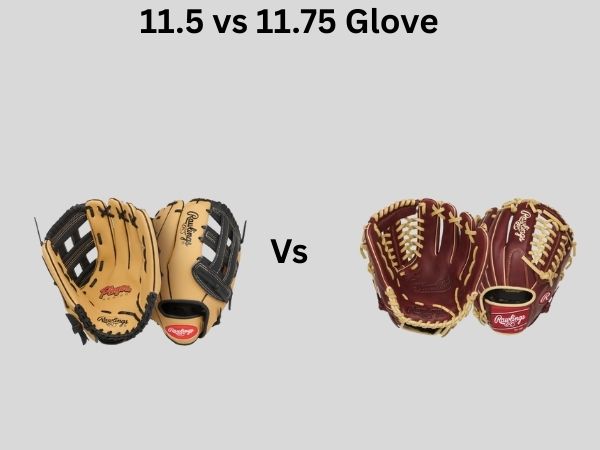
11.5 vs 11.75 Glove: Which Size Should You Choose?
Choosing the right baseball or softball glove size can feel like trying to pick the perfect pair of shoes—it seems simple on the surface, but there’s actually a lot more going on beneath that leather exterior. Whether you’re shopping for your first glove or upgrading after years of use, the difference between an 11.5 and an 11.75 inch glove might seem negligible. However, that extra quarter inch can make a surprising difference in how the glove performs, how comfortable it feels, and whether it truly matches your playing style and position.
In this guide, we’re going to dive deep into the world of glove sizing, break down what separates these two sizes, and help you figure out which one deserves a spot in your gear bag. Let’s get started.
Understanding Glove Sizing: The Basics
Before we can intelligently compare 11.5 and 11.75 gloves, we need to understand how glove sizing actually works. Glove sizes are measured in inches from the tip of the middle finger to the heel of the glove. It’s not a complicated system, but many people don’t realize this measurement is standardized across most reputable manufacturers.
Think of glove sizing like shoe sizes—there’s a logical progression, and smaller numbers mean smaller gloves. The sizing typically ranges anywhere from 10 inches for youth players to 13 inches for outfielders who need maximum reach and coverage.
Why This Quarter Inch Matters
You might be thinking, “It’s only a quarter inch—how much difference can that really make?” That’s a fair question. But consider this: when you’re fielding a ball traveling at 60 miles per hour, every fraction of an inch counts. That quarter inch difference affects the pocket depth, the span of the glove, and ultimately your ability to catch and secure the baseball or softball.
The 11.5 Inch Glove: Characteristics and Benefits
The 11.5 inch glove occupies an interesting middle ground in the glove size spectrum. It’s not too big, not too small—it’s the Goldilocks option for many players.
Who Should Choose an 11.5 Glove?
An 11.5 inch glove is particularly well-suited for:
- Youth and teenage players who are still growing
- Female players at any age or skill level
- Infielders who need quick transfers and mobility
- Players with smaller to average-sized hands
- Anyone who values control and maneuverability over maximum coverage
Pocket Depth and Construction
The 11.5 glove typically features a shallower pocket compared to larger sizes. This isn’t a weakness—it’s actually an advantage if you’re prioritizing quick ball retrieval. When you need to get the ball out of your glove and into your throwing hand in less than a second, a shallow pocket lets you do exactly that. The ball doesn’t nest as deeply, so you spend less time fishing around in the leather.
Hand Size Compatibility
If you have smaller or average-sized hands, an 11.5 glove allows you to reach all parts of the pocket without straining. Your pinky finger won’t be swimming in excess leather, and your thumb will sit naturally in the thumb hole. This ergonomic fit translates directly into better control and less hand fatigue during extended play.
Maneuverability and Speed
There’s something to be said about a glove that moves quickly. An 11.5 inch glove is lighter and more responsive than its larger cousins. If you’re an infielder making multiple plays per inning, that responsiveness becomes invaluable. You can position it exactly where you need it without the glove feeling like it’s fighting you.
Potential Drawbacks of the 11.5 Glove
Every option has trade-offs, and the 11.5 inch glove is no exception. The primary limitation is coverage area. You have less surface area to work with, which means you need to position your glove more precisely. Balls hit slightly out of your optimal range might be harder to reach.
Additionally, if you have larger hands, you might find the glove cramped and uncomfortable, making it difficult to achieve a proper grip on the ball once you’ve caught it.
The 11.75 Inch Glove: Characteristics and Benefits
Moving up to 11.75 inches might sound like a minor upgrade, but it represents a meaningful step toward increased coverage and surface area.
Who Should Choose an 11.75 Glove?
An 11.75 inch glove is ideal for:
- Players transitioning from youth to adult leagues
- Infielders who prefer a balance between speed and coverage
- Players with average to larger hands
- Those seeking versatility across multiple positions
- Anyone playing competitive baseball or softball at a higher level
Extended Coverage Area
That extra quarter inch translates into noticeably more surface area across the entire glove. The webbing is deeper, and the overall circumference is larger. This means you have more room to make those plays that are slightly out of your ideal reach. It’s like having a safety net that’s just a bit wider.
Deeper Pocket for Security
The 11.75 glove features a deeper pocket, which can be a blessing or a curse depending on your needs. On the positive side, once the ball is in the pocket, it’s unlikely to bounce back out. The leather forms a secure nest around the baseball or softball, giving you confidence that you’ve actually made the catch.
Versatility Across Positions
The 11.75 size is often called the “Goldilocks glove” by many players because it genuinely works for multiple positions. It’s large enough for outfield play but still manageable for infield work. This versatility makes it an excellent choice if you’re not sure exactly where you’ll be playing or if you need a glove that can transition between positions.
Potential Drawbacks of the 11.75 Glove
The deeper pocket, while providing security, also requires a bit more time to extract the ball. If you’re a speedster on the infield and you need lightning-quick transfers, those extra milliseconds matter. Additionally, players with smaller hands might find the 11.75 slightly too large for optimal comfort and control.
Direct Comparison: 11.5 vs 11.75
Now that we’ve examined each size independently, let’s put them head-to-head across several important dimensions.
Size and Coverage
The 11.75 wins the coverage battle. It’s larger, plain and simple. If you’re choosing based purely on surface area, bigger is objectively better. However, size isn’t everything—a glove that’s too large can actually impair your performance if it doesn’t fit your hands properly.
Speed and Responsiveness
The 11.5 takes the speed category. It’s lighter, more nimble, and requires less effort to position quickly. For players who rely on rapid ball extraction and transfer, this advantage is real and meaningful.
Comfort and Fit
This depends entirely on your hand size. For smaller hands, the 11.5 is more comfortable. For larger hands, the 11.75 allows for a more natural fit without cramping. There’s no universal winner here—it’s personal.
Ball Security
The 11.75 glove’s deeper pocket provides better ball security once caught. The 11.5 is less forgiving if you don’t catch the ball perfectly cleanly, as there’s less leather to cushion and hold the ball.
Price Considerations
Generally, larger gloves cost slightly more than smaller gloves. However, the difference between 11.5 and 11.75 is typically minimal—often just $10 to $20 if comparing similar quality and brand. Price shouldn’t be your primary deciding factor.
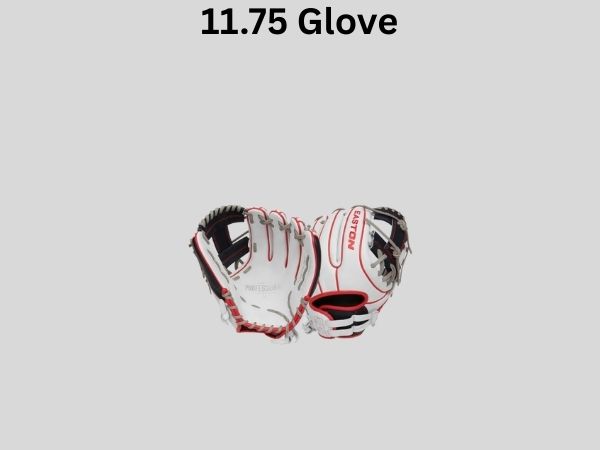
Factors to Consider When Making Your Choice
Your Position on the Field
Your position matters significantly. Infielders, especially shortstops and second basemen, often prefer the 11.5 because they need speed and control. Outfielders might lean toward the 11.75 for the extra reach. If you play multiple positions, the 11.75 offers better flexibility.
Your Hand Size and Age
Measure your hand from your wrist to your fingertip. If it’s under 7 inches, the 11.5 is probably your best bet. If it’s 7.5 inches or more, the 11.75 will feel more natural. If you’re between 7 and 7.5 inches, you might want to try both if possible.
Young Players and Growth
If you’re buying for a young player who’s still growing, remember that they’ll likely grow into a larger glove. You could either buy the 11.5 now and replace it in a year or two, or invest in an 11.75 that they can grow into. There’s financial sense to the latter approach if your budget allows.
Playing Style and Speed
Are you a fast, aggressive player who needs quick transfers? Go with the 11.5. Are you a methodical, contact-focused player who values security and coverage? The 11.75 might suit you better.
Budget and Frequency of Use
If you’re a casual recreational player, either size will serve you fine. If you’re competitive and playing multiple times per week, investing in the size that truly matches your needs and hand size will pay dividends in performance and enjoyment.
Materials and Break-In Period
How Size Affects Break-In
Both sizes require a break-in period. A new glove is stiff and unforgiving. The 11.75, being larger, might take slightly longer to break in because there’s more leather to condition. However, this difference is usually minimal—we’re talking days or a week or two of difference.
Conditioning Your Glove
Regardless of size, proper conditioning matters. Use glove oil or conditioner, practice with the glove regularly, and be patient. A well-maintained glove will last years and only gets better with time.
Real-World Performance: What Players Report
Looking at player feedback and reviews can provide valuable insights. Players who switched from 11.5 to 11.75 often report feeling more confident in their coverage, though some note it took a few games to adjust to the slightly different pocket. Players going from 11.75 to 11.5 consistently praise the quicker transfers but sometimes mention missing the extra reach.
The consensus? Both are excellent sizes. Your satisfaction depends on how well the choice aligns with your personal needs and preferences.
Testing Before You Buy
Where to Try Gloves On
If you have a local sporting goods store, visit and try on both sizes. Feel how they sit on your hand. Make a few practice motions. Don’t just go by numbers—go by how it feels.
Online Shopping Tips
Buying online? Read reviews carefully, check the return policy, and look for retailers with free returns. Many online specialty retailers like major sporting goods chains offer hassle-free returns, so you can order both sizes and return the one that doesn’t work out.
Maintenance and Longevity
Regardless of which size you choose, proper care extends your glove’s lifespan. Store it in a cool, dry place. Apply conditioner every few months. Break it in gradually rather than all at once. A well-maintained 11.5 or 11.75 glove can easily last 3 to 5 years of regular play.
Conclusion
The choice between an 11.5 and 11.75 inch glove ultimately comes down to your individual needs, hand size, position, and playing style. There’s no universally “correct” answer that works for everyone. The 11.5 shines if you prioritize speed, maneuverability, and control—it’s particularly suited for infielders and players with smaller hands. The 11.75 excels in coverage and versatility, making it ideal for players with larger hands or those who value a deeper pocket and extended reach.
Take time to consider your position, hand measurements, and playing style. If possible, try both sizes in person. Remember that a glove is a deeply personal piece of equipment—what works perfectly for your teammate might not be ideal for you. Don’t let the quarter-inch difference fool you into thinking this is a trivial choice, but also don’t overthink it. Either size, when properly matched to your needs, will serve you well on the field.
Invest in quality, treat your glove with respect, and you’ll have a reliable companion for countless games and practice sessions to come.
Frequently Asked Questions
Is there a noticeable difference in performance between 11.5 and 11.75 inch gloves?
Yes, there is. While a quarter inch might seem trivial, it translates into measurable differences in coverage area, pocket depth, and overall responsiveness. The 11.75 provides better reach and coverage, while the 11.5 offers quicker ball extraction and transfer. The difference becomes more apparent during competitive play than casual practice.
Can I use an 11.75 glove if I have smaller hands?
You can, but it might not be ideal. A glove that’s too large can make it difficult to maintain a secure grip on the ball after catching it. You might find your fingers not reaching all the way to the fingertips of the glove, which compromises control. Try one on first or ensure the retailer offers free returns.
Which size is better for youth baseball players?
The 11.5 is generally better for younger players, especially those still growing. It’s easier for them to handle, they can manage quick transfers better, and they won’t feel overwhelmed by excess leather. However, if a young player has unusually large hands for their age, the 11.75 might be appropriate. Always measure their hand before purchasing.
How long does it take to break in an 11.75 compared to an 11.5 glove?
The difference is minimal. An 11.75 might take a week or two longer to fully break in because it has more leather surface, but both sizes typically require similar conditioning timelines—usually 2 to 4 weeks of regular use. Proper conditioning with glove oil accelerates the break-in period for both sizes.
What if I can’t decide between the two sizes?
If you’re genuinely torn between them, consider ordering both from a retailer with free returns. Use both for a few practice sessions or games, then return the one that doesn’t feel right. Your hands will tell you which size is correct. Alternatively, if you play multiple positions or your hand measurement falls right in the middle, the 11.75 offers more versatility for the price of slightly less speed.
“`