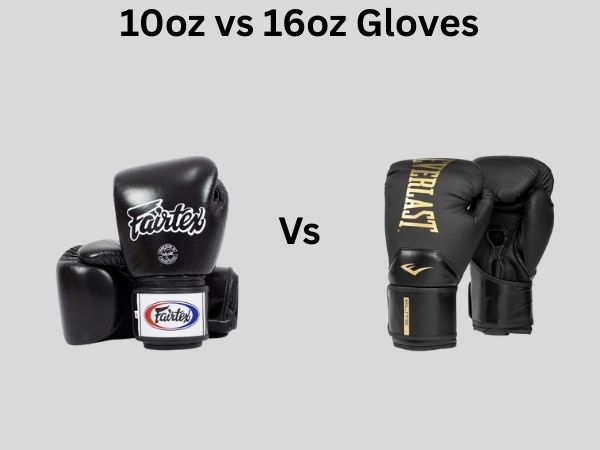
10oz vs 16oz Gloves: A Complete Guide to Choosing the Right Boxing Gloves for Your Training
When you’re stepping into the boxing ring or heading to your local gym for a heavy bag session, one of the first decisions you’ll need to make is what weight gloves to wear. If you’ve found yourself standing in front of a shelf wondering whether to grab 10oz or 16oz gloves, you’re not alone. This choice might seem simple on the surface, but it actually has a significant impact on your training experience, performance, and long-term hand health.
The difference between these two weights might only be six ounces, but that small variation can feel like night and day when you’ve got your hands wrapped and you’re ready to go. In this comprehensive guide, I’m going to walk you through everything you need to know about 10oz and 16oz boxing gloves so you can make an informed decision that’s right for your specific needs and goals.
Understanding Boxing Glove Weight: What Those Numbers Actually Mean
Let me start with the basics. When we talk about boxing glove weight, we’re referring to the actual weight of each individual glove, measured in ounces. A 10oz glove means each glove weighs 10 ounces, and the same applies to 16oz gloves. But here’s where it gets interesting: the weight of a glove isn’t just about how heavy it feels in your hand. It’s really about the amount of padding packed inside.
Think of it like this. Imagine you have two pillows made from the same material. One pillow has thinner filling, and the other has much thicker, denser filling. The heavier pillow provides more cushioning, more protection, and more resistance. That’s essentially what we’re talking about with boxing gloves. The additional weight in a 16oz glove comes from extra padding designed to absorb impact and protect both your hands and your opponent.
The 10oz Glove: Speed and Agility in Your Corner
What Makes 10oz Gloves Unique
10oz gloves are the lighter option in our comparison, and they’re specifically designed for fighters who prioritize speed, hand movement, and combination work. When you slip on a pair of 10oz gloves, you’ll immediately notice how responsive they feel. Your hands move faster, your combinations flow more naturally, and you can snap punches with less effort.
These gloves are popular among advanced boxers, competitive fighters, and those who already have solid technique. The reduced padding means less shock absorption, which can be both an advantage and something to consider carefully.
Best Uses for 10oz Gloves
10oz gloves shine in specific training scenarios. Here’s when you’d want to reach for them:
- Sparring between experienced partners who understand control and safety
- Technical training focused on combinations and footwork
- Pad work with a knowledgeable coach
- Competitive fighting in sanctioned matches
- High-speed bag work sessions
The key theme here is experience and control. 10oz gloves work best when both the person wearing them and their training partners know what they’re doing.
The Pros of Training with 10oz Gloves
There are some genuine advantages to training with lighter gloves. Your hands will develop speed and explosiveness that lighter gloves encourage. You’ll feel more connected to your punches, which helps with precision and timing. Many fighters say that training with 10oz gloves makes their hands feel incredibly fast when they eventually put on heavier competition gloves.
Additionally, if you’re working on combinations and flowing sequences, the reduced weight allows you to throw more punches with better timing and rhythm. Your shoulders and arms won’t fatigue as quickly, which means you can focus on technique rather than just surviving the workout.
The Cons and Considerations
Now, let’s be honest about the drawbacks. With less padding, there’s less cushioning for impact. This means higher risk of hand injuries if proper wrapping and technique aren’t in place. The impact on your training partners is also greater, which is why 10oz gloves require more experienced sparring partners who practice good control.
If you’re a beginner or someone who’s still developing your technique, 10oz gloves might not be your best choice. The lack of padding can lead to soreness, and the reduced shock absorption can potentially cause long-term damage to your hands and your partner’s face.
The 16oz Glove: Protection and Power for Training
What Makes 16oz Gloves the Standard Choice
16oz gloves are the heavier option, and they’re packed with significantly more padding than their 10oz counterparts. This extra cushioning serves a crucial purpose: it protects both you and anyone you’re working with. Many boxing gyms actually require training partners to wear 16oz or even heavier gloves during sparring sessions.
The additional padding in 16oz gloves absorbs more of the impact from each punch, dispersing the force across a wider area. This makes them the safer choice for most training scenarios, especially when you’re sharing the ring with a partner.
Best Uses for 16oz Gloves
16oz gloves are incredibly versatile and work well in many training situations:
- Sparring sessions with any partner, regardless of experience level
- General heavy bag training
- All-purpose gym work and conditioning
- Training for beginners and intermediate boxers
- Long training sessions where hand fatigue is a concern
- Mitt work with coaches who want maximum protection
If there’s one weight that could be considered the “standard” for regular gym training, it’s 16oz. You’ll find that most boxing gyms have a preference for 16oz gloves during sparring, and for good reason.
The Advantages of 16oz Gloves
The primary advantage of 16oz gloves is safety. That extra padding is like having a safety net for your hands and your training partner’s face. Beginners especially benefit from this protection because they’re still developing proper technique and control. Even experienced fighters appreciate 16oz gloves because they reduce the cumulative stress on the hands and brain from repeated impact.
Another benefit is that 16oz gloves actually feel great for high-volume training. Yes, they’re heavier, but many fighters find that the extra weight actually helps them develop power and conditioning. When you remove them after a training session, your hands feel lighter and faster, which provides excellent psychological feedback about your progress.
The Limitations of 16oz Gloves
The main disadvantage of 16oz gloves is reduced hand speed and responsiveness. They’re heavier, so your hands move slightly slower. This can feel restrictive when you’re trying to throw rapid-fire combinations. Some fighters complain that 16oz gloves feel cumbersome during technical work, though this is largely a matter of adjustment and preference.
Additionally, if you’re preparing for a fight where you’ll be wearing 10oz gloves in competition, relying solely on 16oz gloves for training might not optimally prepare you for the speed difference you’ll experience in the ring.
Comparing the Two: Side-by-Side Analysis
Hand Speed and Movement
When we talk about hand speed, 10oz gloves give you a noticeable advantage. Your hands simply move faster with less weight to move around. If you’re drilling combinations or working on footwork patterns, you’ll feel the difference immediately. 16oz gloves, while not slow by any means, require more effort to move quickly, which can actually help develop stronger arms and shoulders over time.
Impact Protection
Here’s where 16oz gloves win clearly. The extra padding provides significantly better impact protection for both you and your training partner. If hand health and longevity in the sport matter to you (and they should), the additional cushioning in 16oz gloves is invaluable.
Training Versatility
16oz gloves are more versatile. You can do everything with them—sparring, heavy bag work, mitt work, conditioning. 10oz gloves, while excellent for specific purposes, are more limited in their applications and require more careful partner selection during sparring.
Conditioning and Fatigue
Interestingly, 16oz gloves can actually improve your conditioning. The extra weight means your arms work harder, building muscular endurance. 10oz gloves are easier on your shoulders and arms, allowing you to focus on technique rather than muscle fatigue.
Training vs Sparring: How Your Choice Should Change Based on Context
Heavy Bag Work and Solo Training
When you’re alone on the heavy bag, the choice between 10oz and 16oz becomes more personal. Some fighters prefer 10oz because the lighter weight allows them to focus on speed and precision. Others prefer 16oz because the heavier gloves force them to generate power efficiently and build conditioning.
My recommendation? If you’re purely focused on technical development, go with 10oz. If you want to build overall conditioning and power, go with 16oz. Ideally, rotate between them to get the benefits of both approaches.
Mitt Work and Pad Work
Mitt work requires a different consideration. Your coach needs to feel your punches clearly to provide good feedback. Some coaches prefer 10oz because they can feel the technique more distinctly. Others want you in 16oz to protect their hands and arms during extended sessions. This is worth discussing with your specific coach.
Sparring: The Critical Decision
Here’s where the choice really matters. During sparring, you have a responsibility to your training partner. Let me be direct: if you’re a beginner or intermediate boxer sparring with anyone, 16oz should be your minimum. Many gyms enforce this rule.
10oz gloves should only be used for sparring between experienced boxers who have excellent control, understand the risks, and have explicitly agreed to the terms. Even then, both fighters should have strong technique and know how to communicate about intensity levels.
Your Skill Level: A Key Factor in the Decision
Beginners: Start With 16oz
If you’re new to boxing, 16oz gloves are your friend. They give you the protection you need while you’re developing proper technique and learning how to control your power. Starting with lighter gloves before you have solid fundamentals is like learning to drive in a race car before you’ve learned the basics on a regular vehicle.
Intermediate Boxers: Build Versatility
As you progress, you might benefit from having both weights in your bag. Use 16oz for most sparring sessions and heavy bag work. Transition to 10oz for technical training and pad work once your coach agrees you’re ready. This combination helps you develop speed while maintaining safety.
Advanced Fighters: Competition Preparation
If you’re competing, your glove choice depends on your competition weight class and rules. Many sanctioning bodies specify glove weight for competition (often 10oz for lighter weight classes, 12oz or 16oz for heavier classes). Train primarily in your competition weight, but use heavier gloves for some sparring sessions to build conditioning and power.
Hand Wrapping: Its Role in Protection With Different Glove Weights
Before we move forward, it’s important to understand that your glove choice isn’t the only factor in hand protection. Proper hand wrapping is absolutely crucial, regardless of whether you choose 10oz or 16oz gloves.
Hand wraps provide essential support for your wrists, knuckles, and metacarpal bones. A proper wrap should be snug but not cutting off circulation, covering your entire hand and wrist securely. Many beginners don’t realize that improper wrapping is a common cause of hand injuries, sometimes more so than the glove weight itself.
If you’re going to wear 10oz gloves, your hand wrapping becomes even more critical. The reduced padding means your wraps need to be perfect to provide adequate support.
The Weight Difference and Your Hand Health Long-Term
Let’s talk about something that doesn’t get discussed enough: the long-term health implications of your glove choice. Boxing is demanding on your hands, and the cumulative effect of impact over months and years matters.
Training frequently with 10oz gloves, especially in sparring situations, means your hands absorb more direct impact. Over time, this can contribute to arthritis, chronic hand pain, and other degenerative issues. 16oz gloves help mitigate this risk by absorbing more of that impact.
If you’re planning to have a long career in boxing, being strategic about when you use lighter gloves makes sense. Save 10oz for essential technical work and competition. Use 16oz for your high-volume training sessions where hand protection matters most.
Making Your Final Decision: A Practical Framework
Ask Yourself These Questions
Before making your purchase, answer these important questions:
- What is my primary training goal right now?
- How much sparring will I be doing?
- What is my current skill and experience level?
- Will I be training with partners or mostly solo?
- Am I preparing for competition?
- How concerned am I about hand health and longevity?
Your answers to these questions should guide your decision.
The Ideal Scenario: Own Both
Honestly, the best situation is to own both weights. Having 16oz gloves as your primary training gloves and 10oz gloves for technical work and competition gives you flexibility. You’re not forced to choose one or the other; you can use each when it makes sense.
If budget is a concern, start with 16oz. You can always add 10oz gloves later once you’ve developed more experience and decided whether you need them.
What Your Boxing Coach Would Tell You
If you talk to experienced boxing coaches, you’ll hear a consistent theme. Most coaches want their students in 16oz gloves for regular training and sparring, especially if those students are still developing their skills. Coaches understand the long-term consequences of repeated impact and want to protect their students’ futures in the sport.
That said, coaches also recognize that 10oz gloves have a place in training. For fighters with solid technique and the right attitude toward controlled sparring, lighter gloves provide valuable benefits. The key is knowing when to use them and with whom.
Breaking Down the Myths Around Glove Weight
Myth: Heavier Gloves Make You Slower Forever
This isn’t true. Training in 16oz gloves might feel slightly restrictive at first, but your hands adjust. And when you put on 10oz gloves after training in 16oz, your hands feel lightning quick. This actually helps develop explosive speed.
Myth: Lighter Gloves Equal Better Technique Development
Technique development comes from focused practice and good coaching, not from glove weight. You can absolutely develop excellent technique in 16oz gloves. In fact, some would argue that heavier gloves force you to focus more on efficiency and proper form.
Myth: Everyone Serious About Boxing Uses 10oz Gloves
This is completely false. Many serious boxers, including some professionals, do the majority of their training in 16oz gloves. Glove weight is a tool that should match your current needs and goals.
Conclusion
The choice between 10oz and 16oz