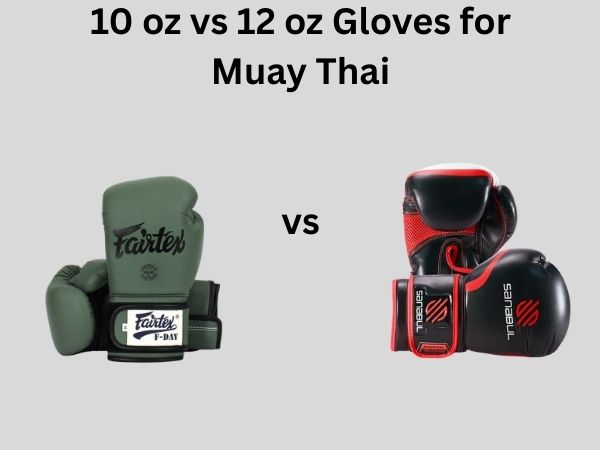
10 oz vs 12 oz Gloves for Muay Thai: Which Is Better?
If you’re stepping into the world of Muay Thai, one of the first decisions you’ll face is choosing the right glove size. Should you go with 10 oz or 12 oz gloves? This seemingly simple choice can actually have a significant impact on your training experience, safety, and performance. Let me walk you through everything you need to know to make an informed decision that suits your specific needs.
Understanding Glove Weight and What It Means
When we talk about glove weight in Muay Thai, we’re referring to the ounces of padding and material packed into each glove. Think of it like comparing two backpacks—one weighs 10 pounds and the other weighs 12 pounds. The heavier one carries more stuff, but it also slows you down. The lighter one lets you move faster, but you’re carrying less protection.
The weight classification exists for good reasons. It affects how your hands feel, how much energy you expend during training, and most importantly, how much cushioning protects your hands and your training partner’s face and body. Understanding this relationship is crucial before investing in a pair of gloves.
The Basics: What Are 10 oz Gloves?
10 oz gloves are the lighter option in this comparison. They’re designed for fighters who prioritize speed and agility over maximum padding. When you slip these on, you’ll immediately notice how nimble your hands feel. Your punches travel faster because there’s less weight to move around.
Who Typically Uses 10 oz Gloves?
Professional competition fighters often prefer 10 oz gloves because they need every advantage in speed and hand velocity. Smaller fighters, particularly those weighing less than 140 pounds, tend to gravitate toward this size. Additionally, experienced practitioners who have already built strong wrist and hand conditioning often choose 10 oz gloves for sparring and training.
If you’ve been training in Muay Thai for at least a year and feel confident in your technique and hand strength, you might find 10 oz gloves suit your style perfectly. They allow for faster combinations and sharper, more precise striking.
Advantages of 10 oz Gloves
- Faster hand speed and quicker punch combinations
- Less arm fatigue during extended training sessions
- Better responsiveness and mobility in the ring
- More natural wrist movement and flexibility
- Ideal for drilling combinations and pad work
- Lighter overall package for travel and transport
The Basics: What Are 12 oz Gloves?
12 oz gloves are the heavier option, offering more padding and protection. They’re like the protective gear of the glove world. With additional ounces of material and cushioning, these gloves absorb more impact and distribute force over a wider area.
Who Typically Uses 12 oz Gloves?
Beginners and intermediate fighters frequently use 12 oz gloves during training. If you’re just starting your Muay Thai journey, these gloves protect both your developing hands and your training partners. Larger fighters, particularly those over 180 pounds, often prefer 12 oz gloves because they naturally generate more power, and the extra padding helps manage that force.
You’ll also see 12 oz gloves in heavy bag work sessions where the extra cushioning prevents hand injuries from repetitive impacts against an unyielding surface.
Advantages of 12 oz Gloves
- Enhanced padding and shock absorption
- Superior protection for hands and wrists
- Better for training partners receiving the strikes
- Excellent for heavy bag and pad work
- Reduced risk of hand injuries for beginners
- More forgiving for developing technique
- Greater stability for developing proper form
Key Differences Between 10 oz and 12 oz Gloves
The two-ounce difference might seem minimal, but it creates noticeable distinctions in how the gloves perform. Let me break down the main differences you’ll experience.
Weight and Hand Speed
The most obvious difference is weight. With 2 extra ounces per glove, 12 oz gloves feel noticeably heavier on your hands. During the first few minutes of wearing them, you might feel like you’re moving through water. However, this extra weight comes with a trade-off—it provides more stopping power and protection. Your punches won’t travel as quickly, but they’ll have more weight behind them.
Padding Distribution
The extra two ounces in 12 oz gloves translate into thicker padding throughout the glove. The knuckle area, palm, and wrist support all benefit from additional cushioning. This means less sting for your hands and less impact trauma for whoever is receiving your strikes.
Energy Expenditure
Training in 10 oz gloves requires less muscular effort because you’re moving lighter equipment. Your arms won’t fatigue as quickly during intense sparring or pad work sessions. Conversely, 12 oz gloves demand more from your muscles, which actually builds more arm strength and conditioning over time.
Think of it this way: running a mile in lightweight shoes versus running a mile in heavier shoes. Both cover the same distance, but the heavier shoes demand more from your legs.
Hand Size and Fit Considerations
Your hand size is one of the most critical factors in choosing between these two options. This isn’t just about comfort—proper fit affects your entire performance and safety.
Small Hands and Lighter Frames
If you have smaller hands or a lighter build, 10 oz gloves will likely feel more natural. They’re proportional to your hand size and allow for better wrist mobility. Oversized gloves on small hands can actually restrict movement and make it harder to form a proper fist inside the glove.
Large Hands and Heavier Frames
Conversely, if you have larger hands or a heavier frame, 12 oz gloves provide better support. Your larger fists might feel cramped in 10 oz gloves, and you’d lose some of the protective benefits. The extra padding in 12 oz gloves accommodates larger hands while maintaining proper support.
The Fit Test
When trying on gloves, your thumb should move freely without excessive space. Your fingers should reach the padding at the top without strain. Your wrist should feel supported but not restricted. If the glove feels too loose or too tight, the wrong size won’t serve you well regardless of other factors.
Training Goals and Experience Level
What are you hoping to achieve in Muay Thai? Your answer to this question should heavily influence your glove selection.
Beginners: Why 12 oz Makes Sense
If you’re new to Muay Thai, I’d lean toward recommending 12 oz gloves for several reasons. First, beginners are still developing proper technique and hand conditioning. The extra padding provides a safety margin as you learn. Second, you’ll spend most of your time doing heavy bag work and controlled pad drills, where 12 oz gloves shine. Third, they protect your training partners from your developing power, which might be unpredictable as you learn control.
Intermediate Fighters: The Transition Zone
Once you’ve been training for six months to a year, you’re in an interesting position. You’re no longer a complete beginner, but you’re not yet advanced. Some fighters at this level prefer sticking with 12 oz for continued skill development, while others transition to 10 oz to build hand speed. Your preference depends on your goals and how your hands feel.
Advanced Fighters and Competitors: Speed Advantage
Advanced practitioners and those preparing for competition often favor 10 oz gloves. They have the hand conditioning and technique to handle the reduced padding. Their focus shifts to maximizing speed and performance, making the lighter gloves more attractive.
Speed, Agility, and Mobility Benefits
One of the most tangible differences you’ll notice between these glove weights is how they affect your movement and speed.
The Speed Advantage of Lighter Gloves
When you’re wearing 10 oz gloves, your hands simply travel faster. This isn’t just about raw punch speed—it’s about the entire rhythm of your combinations. You can throw more punches in the same timeframe. Your reflexes feel sharper. Your defenses feel more responsive because your hands move quicker to block or parry incoming strikes.
Imagine typing on a lightweight keyboard versus a heavier one. The lighter keyboard allows your fingers to move faster and more naturally. That’s the difference 10 oz gloves make for your hand speed.
Hand Mobility and Wrist Flexibility
The reduced weight in 10 oz gloves also means less restriction on your wrist. You can pivot more freely, rotate your hands with greater agility, and perform technical combinations that require precise wrist positioning. This becomes increasingly important as you develop more advanced techniques.
When Extra Weight Helps Mobility
Interestingly, some fighters find that the slightly heavier 12 oz gloves actually improve their technique by forcing them to be more deliberate and controlled with their movements. The extra weight demands proper form—you can’t throw sloppy punches with heavier gloves and maintain your guard simultaneously.
Protection and Safety Factors
This is where we need to discuss the serious aspects of glove selection. Your safety and your training partners’ safety are paramount.
Hand Protection
Your hands are precious instruments that you’ll use for decades beyond your Muay Thai training. The more padding protecting them, the better, especially if you’re hitting heavy bags frequently. 12 oz gloves provide superior hand protection due to their thicker padding and better shock absorption. If you have a history of hand injuries or concerns, the extra two ounces could prevent serious problems down the road.
Partner Safety During Sparring
When you’re sparring with a training partner, your glove choice affects them too. Heavier gloves with more padding deliver less impact force to their face and body. If you’re stronger than your sparring partner or still developing control, 12 oz gloves demonstrate respect for their safety. They absorb more of your strike’s energy, reducing the impact they experience.
Cumulative Impact and Long-Term Health
Think about cumulative damage. A professional fighter throws hundreds of punches per training session, multiplied by hundreds of training sessions per year. That adds up to thousands upon thousands of strikes. Using appropriate glove padding at each stage becomes crucial for preventing cumulative injuries to your hands, wrists, and joints.
Comfort and Durability Comparison
Beyond the technical aspects, comfort and durability matter significantly since you’ll be wearing these gloves frequently.
Initial Comfort
Many people find 10 oz gloves more immediately comfortable because they feel lighter and less restrictive. However, this doesn’t account for long training sessions. By the end of a two-hour training day, the weight difference becomes negligible because your arms are fatigued anyway. The extra padding in 12 oz gloves actually feels more cushioned and comfortable after extended wear.
Breaking In Period
Both glove weights require a breaking-in period. New gloves feel stiff until the padding compresses slightly and molds to your hand shape. This typically takes 5-10 training sessions. During this period, 12 oz gloves might feel more protective while your hands adjust.
Long-Term Durability
Here’s something to consider: which gloves last longer? Generally, 12 oz gloves demonstrate better longevity because the thicker padding takes longer to compress and break down. You’ll get more training sessions out of them before they lose effectiveness. 10 oz gloves, with less padding, may require replacement sooner if used frequently for heavy bag work.
Padding Degradation
Over time, all glove padding compresses and loses some shock absorption capability. This happens faster with 10 oz gloves because there’s less padding to begin with. When the padding degrades, the glove becomes less protective and less comfortable. This is another factor supporting 12 oz gloves for regular training.
Price Differences and Value for Money
Let’s talk about the practical aspect: your budget.
Typical Price Range
Entry-level 10 oz gloves typically range from 40 to 80 dollars, while 12 oz gloves in the same quality category run 50 to 100 dollars. Mid-range options see 10 oz gloves at 100 to 200 dollars and 12 oz gloves at 120 to 230 dollars. The price difference rarely exceeds 20-30 dollars for the same brand and quality level.
Value Perspective
When you consider that a quality pair of gloves might last 2-3 years with regular use, the price difference becomes minimal when spread across that timeframe. The real question isn’t the initial price but which gloves will serve your needs better and last longer.
Investment in Your Training
Think about what provides better value for your training goals. If you’re a beginner, 12 oz gloves might represent better value because they’ll last longer and serve you through multiple levels of skill development. If you’re an advanced fighter preparing for competition, the performance advantage of 10 oz gloves justifies the investment.
What Professional Fighters Prefer
Let’s look at what the pros actually use, because their choices are often telling.
Competition Standards
In official Muay Thai competitions, glove weight requirements vary based on weight class and organization. Some use 8 oz or 10 oz for championship fights, while others mandate 12 oz for certain weight classes. These regulations exist to balance competition fairness with fighter safety.
Training Preferences vs. Competition Requirements
What’s interesting is that professional fighters often train differently than they compete. A fighter competing in 10 oz gloves might regularly train in 12 oz gloves to build extra strength and wrist conditioning. Then, when they switch to competition gloves, everything feels faster and easier. This is a common periodization strategy in combat sports.