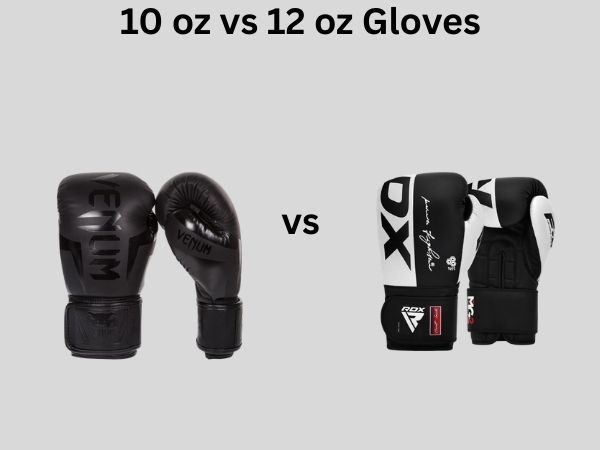
10 oz vs 12 oz Gloves: Which Size Fits Your Training Style?
When you’re standing in front of a wall of boxing gloves at your local gym or browsing online, the decision between 10 oz and 12 oz gloves can feel surprisingly overwhelming. You’re probably wondering what those numbers even mean, and whether they’ll actually make a difference in your training experience. Here’s the truth: choosing the right glove weight is one of those decisions that quietly impacts everything from your punch power to your hand safety, and getting it right matters more than you might think.
Let me break this down for you in a way that makes sense. Whether you’re a beginner stepping into the ring for the first time or someone with years of experience looking to upgrade your gear, understanding the differences between these two popular weights will help you make a decision you won’t regret.
Understanding Boxing Glove Weights
Before we dive into the specific comparison, let’s talk about what glove weight actually means. The number you see—whether it’s 10 oz or 12 oz—refers to the actual weight of the glove itself, measured in ounces. Think of it like choosing a hammer for different jobs. A lighter hammer is easier to swing repeatedly, while a heavier one delivers more force with each strike, though it tires you out faster.
The weight of your gloves influences several aspects of your boxing experience. It affects how fast you can throw punches, how much protection your hands receive, how much stress your wrists endure, and even how quickly you’ll feel fatigued during a training session. It’s not just about picking whatever feels comfortable in your hand at first glance.
Why Weight Matters in Boxing
The physics behind boxing glove weight is straightforward but important. A heavier glove carries more momentum, which can mean harder hits but also requires more energy to move. A lighter glove lets you throw combinations more rapidly but offers less cushioning. Your choice here will shape your entire training experience.
What Does 10 oz Mean in Boxing Gloves?
A 10 oz glove weighs ten ounces per glove, making it one of the lighter options available in the boxing world. These gloves are designed with athletes who prioritize speed and mobility in mind. When you’re wearing 10 oz gloves, you’ll notice that your hands feel relatively light, your arm muscles aren’t working overtime just to keep them up, and throwing multiple punches in quick succession feels natural.
The Construction of 10 oz Gloves
Because 10 oz gloves are lighter, manufacturers achieve this weight by using less padding overall. The glove structure is still sturdy and protective, but it’s more streamlined. The padding is typically distributed strategically to protect your knuckles and hand bones where you need it most, while other areas have thinner cushioning.
Typical Users of 10 oz Gloves
You’ll find 10 oz gloves most commonly used by:
- Professional boxers during competition
- Competitive amateur boxers
- Advanced trainers who’ve developed significant hand strength
- Athletes focusing on speed work and combinations
- Lightweight and welterweight category fighters
What Does 12 oz Mean in Boxing Gloves?
On the other end of the spectrum, 12 oz gloves weigh twelve ounces per glove. These are heavier and are packed with more padding throughout. When you slip on a pair of 12 oz gloves, you immediately feel the difference. Your hands are cushioned more generously, there’s more material between your knuckles and whatever they’re hitting, and the overall feel is bulkier.
The Construction of 12 oz Gloves
The extra two ounces in a 12 oz glove translate to more foam padding, thicker layers of protection, and a roomier interior. This construction makes them ideal for absorbing impact and distributing force across a wider area. Think of it as the difference between wearing a thin layer of clothing versus a winter jacket.
Typical Users of 12 oz Gloves
12 oz gloves are the choice of:
- Beginners and novice boxers
- Heavy bag training enthusiasts
- Boxers training for fitness and cardio
- Heavier weight class fighters
- Anyone prioritizing hand and wrist safety
- Sparring partners focused on controlled, safer exchanges
Key Differences Between 10 oz and 12 oz Gloves
Now let’s get specific about how these two weights differ in real-world situations. The differences extend far beyond just the number on the label.
Weight Distribution and Feel
The most immediate difference you’ll notice is how these gloves feel on your hands. The 10 oz gloves feel light and nimble, almost like they’re barely there once you get used to them. Your hands feel like they’re moving faster because there’s less inertia to overcome. The 12 oz gloves, conversely, have noticeable weight. You’re constantly aware you’re wearing them, and that awareness reminds you to maintain proper form and technique.
Padding Thickness Comparison
Here’s where the real protective advantage of the heavier glove shows up. A 12 oz glove has thicker padding, which means more shock absorption when your punches connect with the heavy bag or your sparring partner’s gloves. The 10 oz glove, while still protective, relies on the quality of its construction rather than quantity of material. This is why professionals can use 10 oz gloves safely—they have the technical skill to protect themselves through proper technique.
Speed and Agility: Which Weight Wins?
If your training focuses on speed work, combinations, and footwork, this is perhaps the most important section for you. The question isn’t really which is better, but which is better for your specific goals.
Throwing Speed with 10 oz Gloves
The lighter weight of 10 oz gloves makes them the clear winner when pure speed is the metric. Your arms tire less quickly, you can throw combinations for longer periods without your shoulders burning out, and your hand speed naturally increases. When you’re doing rapid combination drills or practicing your jab, the 10 oz gloves feel responsive and quick. It’s like the difference between running in sneakers versus running in boots.
Speed Limitations with 12 oz Gloves
The added weight of 12 oz gloves does slow down your punch delivery, at least in terms of pure velocity. Your arms have to work harder to accelerate them. However—and this is important—they force you to develop better efficiency and force generation. You can’t rely on speed alone; you have to use proper technique. Many trainers argue this makes you a better boxer in the long run.
Endurance During Speed Training
When you’re in the final rounds of your training session and fatigue is setting in, the weight difference becomes significant. With 10 oz gloves, you might maintain your speed and snap throughout your entire workout. With 12 oz gloves, you’ll likely notice your hands slowing down somewhat toward the end, though this also builds conditioning and mental toughness.
Power and Impact Considerations
Power is a different animal from speed, and understanding the power dynamics between these two weights is crucial for your training decisions.
Impact Force with Different Weights
Here’s something counterintuitive for many beginners: a heavier glove doesn’t necessarily mean a harder punch. The person wearing the glove determines punch power. However, the extra weight in a 12 oz glove does carry more kinetic energy, so it can feel like a harder impact when it lands, even if the boxer threw the same force. It’s similar to how a bowling ball feels heavier than a baseball even though you throw both with the same muscular effort.
Developing Knock-Out Power
If developing serious striking power is your goal, 10 oz gloves actually teach you better habits. Because they’re lighter, you can’t rely on the glove weight to generate power. You have to perfect your technique, your timing, your footwork, and your rotation. This creates more efficient and effective punchers. Professionals use 10 oz gloves in competition for this exact reason.
Safe Power Development with 12 oz Gloves
That said, 12 oz gloves are safer for developing power, especially if you’re new to boxing. The extra padding protects both your hands and the training partner’s hands and body more comprehensively. You can hit the heavy bag with enthusiasm without worrying as much about hand injuries.
Hand and Wrist Protection Comparison
Your hands are your livelihood as a boxer. Protecting them should be a primary concern, regardless of your level.
Knuckle Protection
Both 10 oz and 12 oz gloves protect your knuckles adequately when they’re quality gloves from reputable manufacturers. The difference is in the margin of safety. A 12 oz glove provides a thicker buffer between your knuckles and whatever they’re striking. If you hit the heavy bag incorrectly or your hand shifts slightly in the glove, a 12 oz glove provides more forgiveness.
Wrist Support
The cuff of the glove—the part that wraps around your wrist—is typically longer and more padded in 12 oz gloves. This provides better support and stability for your wrist joint. If you have any history of wrist issues or you’re still developing proper punching form, this extra support is invaluable. The 10 oz gloves have adequate wrist support for skilled fighters, but less margin for error.
Long-Term Hand Health
Think long-term about your boxing journey. Using appropriately protective gloves now prevents injuries that could end your training prematurely. Starting with 12 oz gloves gives you more protection while you develop the technical skills to use 10 oz gloves safely later.
Who Should Choose 10 oz Gloves?
Now we’re getting to the practical decisions. Are 10 oz gloves right for you?
Competitive Boxers and Athletes
If you’re competing or planning to compete, 10 oz gloves are likely in your future. Competition rules often mandate 10 oz gloves for certain weight classes. Starting to train with them allows you to adapt to how they feel before you step into a competitive ring.
Advanced Fitness Boxers
If you’ve been boxing for at least a year, understand proper form, and your hands are conditioned, transitioning to 10 oz gloves can add a new dimension to your training. You’ll increase speed work, improve your conditioning, and test your technique under different conditions.
Speed-Focused Training Goals
Your specific training goals matter. If you’re working primarily on combinations, movement, defensive footwork, and speed-based drills, 10 oz gloves complement those goals. You can throw more punches, move faster, and maintain your pace longer.
Lighter Weight Athletes
Boxers in lighter weight categories often naturally gravitate toward 10 oz gloves. They’re more proportional to lighter body weights and don’t create as much fatigue for smaller-framed athletes.
Who Should Choose 12 oz Gloves?
On the flip side, let’s talk about when 12 oz gloves are the smarter choice.
Beginners and Newcomers
If you’re brand new to boxing, 12 oz gloves should be your starting point. They’re more forgiving, they protect your hands better while you’re learning proper technique, and they won’t make you feel like you’re swinging buckets. Your learning curve will be smoother, and you’ll develop confidence faster.
Heavy Bag Training Focus
If most of your training revolves around hitting the heavy bag, 12 oz gloves are ideal. The extra padding absorbs impact better, protects both your hands and the bag, and lets you train harder and longer without worrying about injury.
Sparring and Partner Work
When you’re sparring, especially if you’re not at a professional level, 12 oz gloves are the standard choice. They’re safer for both partners, they reduce the impact on faces and heads, and they create more controlled training exchanges. Your sparring partner will appreciate the extra cushioning.
Hand or Wrist Issues
If you have any history of hand, knuckle, or wrist problems, 12 oz gloves are the better choice. The extra protection prevents aggravating previous injuries while you build strength and conditioning.
Heavier Weight Categories
If you’re training in a heavier weight class, 12 oz gloves often feel more natural. The extra weight is more proportional to your body mass and doesn’t create as much relative strain.
Training Goals and Glove Selection
Your specific objectives in boxing should directly influence your glove choice. Let’s break this down by goal.
For Fitness and Cardio Training
If you’re boxing primarily for fitness and cardiovascular benefits, 12 oz gloves are better. They’re comfortable for longer durations, the added weight provides resistance training for your shoulders and arms, and the extra padding protects you if your form breaks down when you’re tired.
For Technical Development
If you’re focused on improving your boxing technique—your stance, your footwork, your defensive movement, your timing—both weights work, but lighter 10 oz gloves reveal technical flaws more obviously. You can’t hide poor form behind heavier equipment, so you learn faster and develop better habits.
For Strength Building
Want to develop knockout power and striking force? Start with 12 oz gloves to build a strong foundation safely, then transition to 10 oz gloves as you progress. This progression builds both power and the technical efficiency to deliver it safely.
For Competition Preparation
If you’re training for competition, you should be training with the glove weight you’ll compete in. Find out the rules for your competition level and start using that weight during training, usually in your final training phases.