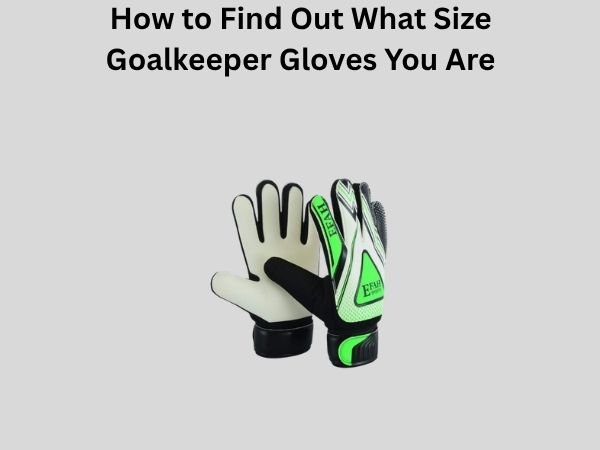
Clean Sheet Secrets: How to Find Out What Size Goalkeeper Gloves You Are
Have you ever pulled on a pair of goalkeeper gloves and felt like something was just… off? Maybe your fingers felt cramped, or your palms were swimming in excess fabric. The truth is, finding the right goalkeeper glove size is like finding the perfect pair of shoes—it seems simple until you realize there’s actually a lot more to it than just grabbing whatever is on the shelf.
I’ve been around soccer long enough to know that goalkeepers take their equipment seriously, and rightfully so. Your gloves are literally an extension of your hands when you’re standing between the posts. Getting the wrong size doesn’t just feel uncomfortable; it can actually affect your performance, reduce your confidence, and even lead to hand injuries over time. So let’s dive into everything you need to know about finding your perfect goalkeeper glove size.
Understanding Goalkeeper Glove Sizing Systems
Before we talk about measuring yourself, we need to understand how goalkeeper glove sizes actually work. Unlike regular clothing, which uses standardized sizing across brands, goalkeeper gloves operate on their own unique system. This is where many people get confused.
The European Sizing Method
Most European manufacturers use a numerical sizing system that runs from size 7 to size 12. Think of these numbers as representing the width of your hand measured across the knuckles in centimeters. A size 9 doesn’t mean your hand is exactly 9 centimeters wide—it’s more like a reference point that manufacturers use to determine the overall dimensions of the glove.
How Brands Vary in Their Measurements
Here’s where it gets tricky. Just because you wear a size 9 from one brand doesn’t automatically mean you’ll wear a size 9 from another. It’s similar to how jeans fit differently across manufacturers even when they have the same waist size listed. Some brands run smaller, others run larger, and some have different proportions for palm depth or finger length. This is why trying before buying is always recommended if possible.
The Manual Measurement Method: Your First Step
Let’s talk about the most reliable way to figure out your goalkeeper glove size: measuring your own hand. This is the foundation of everything else we’ll discuss.
What You’ll Need to Measure
Grab a soft measuring tape—you know, the kind that tailors use. If you don’t have one, you can use a piece of string and then measure it against a ruler. You’ll also want a piece of paper and a pen to write down your measurements.
The Hand Width Measurement
This is the most important measurement. Place your hand flat on a table with your fingers spread naturally together (not stretched, just relaxed). Measure across your knuckles from the edge of your pinky finger to the edge of your thumb. Most people find their hand width falls somewhere between 7.5 and 10.5 centimeters.
Here’s what those measurements typically translate to in glove sizes:
- 7 to 7.5 cm = Size 7 or Size 8
- 8 to 8.5 cm = Size 8 or Size 9
- 9 to 9.5 cm = Size 9 or Size 10
- 10 to 10.5 cm = Size 10, Size 11, or Size 12
The Hand Length Measurement
While hand width is the primary determinant of glove size, length matters too. Measure from your wrist crease to the tip of your longest finger (usually your middle finger). Goalkeepers with longer fingers might need slightly bigger gloves even if their hand width suggests a smaller size.
Finding Your Fit: Beyond Just Numbers
Now that you have your measurements, it’s time to understand what “fit” actually means for goalkeeper gloves. This is where many people struggle because fit involves several different components working together.
The Palm Fit
Your palm should feel snug but not tight. When you put on the glove and make a fist, your palm should feel like a firm handshake—present but not painful. If there’s significant wrinkles or bunching in the palm area when your hand is relaxed, the glove is too big. If you can barely flex your hand without discomfort, it’s too small.
The Finger Fit
This is crucial for goalkeeper performance. Your fingers should reach close to the end of each finger compartment without pressing against them excessively. When you’re wearing the gloves and your fingers are extended naturally, there should be about a quarter-inch of space (roughly the thickness of a fingernail) between your fingertip and the glove tip.
If your fingers are bottoming out in the glove compartments, you’ll lose feel and dexterity. If there’s too much space, your hand will shift around inside the glove, which is terrible for control and catching.
The Wrist Support
A proper-fitting goalkeeper glove should have snug wrist support that doesn’t restrict blood circulation. You should be able to slide one finger under the wrist closure band when it’s fastened. If it’s cutting into your wrist or you can fit multiple fingers underneath, it’s either too small or too big.
The Try-On Test: What You Should Actually Feel
Alright, you’ve taken your measurements and you think you know your size. Now comes the real test: actually putting the gloves on and seeing how they feel during movement.
The Grip Test
When you’re trying on gloves, don’t just hold them loosely. Make a fist, squeeze hard, and release. Do this several times. Your fingers shouldn’t cramp up, and you should feel like your hand can move naturally within the glove. If your hand feels constrained or your fingers start to hurt after just a few squeezes, that glove isn’t the right size for you.
The Ball Handling Test
If possible, ask the store if you can hold a soccer ball while wearing the gloves. This is what your hands will actually be doing on the field. Can you grip the ball confidently? Does the glove feel like part of your hand, or does it feel like you’re wearing mittens? The glove should enhance your grip, not hinder it.
The Flexibility Test
Flex your wrist, rotate your hand, and move your fingers through their full range of motion. You shouldn’t feel any sharp restrictions. A slight resistance is normal and actually good—it means the glove is snug—but you should never feel like your movement is being seriously limited.
Age and Development: Special Considerations
If you’re shopping for a young goalkeeper, this section is particularly important. Children’s hands grow quickly, and what fits perfectly today might be too small in three months.
Youth Goalkeeper Sizing
For kids under 12, you might want to consider buying gloves that are slightly larger than their current measurement to allow for growth. The trade-off is that they might not fit as perfectly now, but you’ll get more use out of them. However, don’t go more than one size too large, or you’ll sacrifice the control and confidence they need to develop as a goalkeeper.
The Teen Growth Spurt Problem
Teenagers can be tricky because their hands might be changing size multiple times per season. If you’re outfitting a teenage goalkeeper, consider this an annual investment. Fortunately, many brands offer youth-specific gloves that are designed with growing hands in mind.
Brand Specific Sizing: What You Should Know
Different brands have different philosophies about how their gloves should fit. Let me give you the real talk about some of the major players in the goalkeeper glove market.
Adidas Glove Sizing
Adidas gloves tend to run true to size, meaning if you measure at a size 9, a size 9 Adidas glove will likely fit you well. However, their palm padding is on the thicker side, so some goalkeepers with larger hands might feel restricted in bigger sizes.
Puma and Uhlsport Gloves
These brands typically run slightly smaller than their European sizing numbers suggest. If your measurements point to a size 9, you might want to try a size 10 from these manufacturers. Their finger compartments also tend to be slightly deeper, which is good if you have longer fingers.
Nike Glove Characteristics
Nike gloves generally fit roomy in the fingers but snug in the palm. This design philosophy appeals to goalkeepers who prefer a looser feel around their fingers but want maximum palm contact with the ball.
The Latex Palm Material Factor
Here’s something people don’t always consider: the type of palm material affects how tight a glove feels. This matters more than you might think.
Different Latex Qualities
Premium latex is thinner and more responsive than budget latex, which means a premium glove might actually fit slightly smaller than a budget glove of the same size. The materials also age differently; a brand-new glove and a glove that’s been used for a month might fit slightly differently because the latex has softened.
Breaking In Your New Gloves
When you first get new goalkeeper gloves, don’t expect them to feel perfect immediately. Quality gloves need a break-in period of several hours of use. During this time, the latex warms up and molds slightly to your hand. This is actually another reason why sizing is so important—if a glove is too tight to begin with, it won’t become more comfortable as it breaks in.
Online Shopping: How to Find Your Size Without Trying Them On
Not everyone has access to a specialty soccer store where they can try gloves on. If you’re shopping online, you need to be strategic about it.
Use Multiple Measurement Methods
Don’t rely solely on the manufacturer’s size chart. Look at customer reviews, especially ones where people mention the fit. If you see multiple reviews saying “size 9 runs small” or “this brand comes up a size bigger,” that’s valuable information from actual users.
Check Return Policies
When buying online, make absolutely certain the retailer has a good return or exchange policy. You might need to order two sizes and return one. This isn’t ideal, but it’s better than being stuck with gloves that don’t fit.
Ask the Retailer for Help
Don’t be shy about contacting the online store’s customer service. Tell them your hand measurements and ask which size they recommend for their particular brand. Good retailers have staff who know their products inside and out and can guide you toward the right choice.
Common Sizing Mistakes and How to Avoid Them
I’ve seen goalkeepers make the same sizing mistakes over and over. Let me share what I’ve learned from watching people struggle with ill-fitting gloves.
Mistake #1: Buying Too Big for “Room to Grow”
This is especially common with parents buying for kids. Yes, you want them to get use out of the gloves, but oversized gloves actually hurt development. A young goalkeeper learning to catch with gloves that are two sizes too big is learning poor technique. They can’t feel the ball properly, and they’ll develop bad habits. Buy for their current size and plan to replace them next season.
Mistake #2: Assuming Your Street Shoe Size Matters
I’ve had people tell me they wear a size 10 shoe, so they buy size 10 gloves. Hand and foot sizes don’t have any correlation. Measure your hand directly; don’t try to use other clothing sizes as a reference point.
Mistake #3: Not Accounting for Swelling
During intense activity, your hands swell slightly. Some experienced goalkeepers size up by half a size to account for this. If you’re someone whose hands swell noticeably during games, this is worth considering.
When to Consider Getting Professionally Fitted
For serious goalkeepers, professional fitting isn’t overkill—it’s an investment in your equipment and your performance.
What Professional Fitting Involves
A professional fitting usually includes detailed hand measurements, hand shape analysis (some hands are wider, some are longer, some are more tapered), and recommendations based on your specific needs as a goalkeeper. They’ll also take into account your preferred playing style and the conditions you typically play in.
Where to Find Professional Fitters
Specialty soccer stores, especially those in areas with strong soccer communities, often have staff who are trained in proper goalkeeper fitting. Some brands also offer fitting services at tournaments or events.
Conclusion
Finding the right size goalkeeper gloves is one of those things that seems simple on the surface but actually requires attention to detail and a genuine understanding of how gloves work. It’s not just about the number on the size chart; it’s about how the gloves feel on your hand, how they perform when you’re making saves, and how they contribute to your confidence between the posts.
Start by measuring your hand accurately. Use those measurements as a starting point, but don’t treat them as gospel—different brands will fit differently. When you do try on gloves, take time to test them properly. Make fists, simulate catching movements, and pay attention to how each component of the glove (palm, fingers, wrist) feels.
Remember that the perfect fit means your hand feels comfortable and supported while maintaining full range of motion and good ball contact. It should feel like the glove is an extension of your hand, not something you’re wearing over your hand. Take this process seriously, and you’ll find gloves that make you a better goalkeeper.
Frequently Asked Questions
How do I know if my goalkeeper gloves are too small?
Gloves that are too small will cause your fingertips to press against the end of the finger compartments, create wrinkles across the palm when your hand is relaxed, restrict your wrist movement, and cause discomfort or cramping when you make a fist. You might also notice that the glove feels like it’s cutting into your hand.
Can I wear men’s gloves as a female goalkeeper, or do I need women’s specific gloves?
While some female goalkeepers do wear men’s gloves successfully, women-specific gloves are typically designed with narrower palms and slightly shorter finger compartments to better match average hand proportions. However, hand size varies widely regardless of gender, so the most important thing is finding gloves that fit your specific measurements, not your gender.
How often should I replace my goalkeeper gloves?
This depends on usage and care, but most goalkeepers get 4 to 6 months of regular use from a pair of gloves before the latex begins to deteriorate noticeably. High-intensity players might need to replace them more frequently. If you play multiple times per week, consider having two pairs so you can rotate them and extend their lifespan.
Do goalkeeper gloves stretch out over time?
Yes, goalkeeper gloves will stretch slightly as the latex breaks in and as you use them. This is another reason to buy gloves that fit properly from the start—if they’re already slightly loose, they’ll become too loose after a few weeks of use. Quality gloves might stretch a quarter to half a size over their lifespan.