How to Properly Take Off Gloves: A Step-by-Step Guide
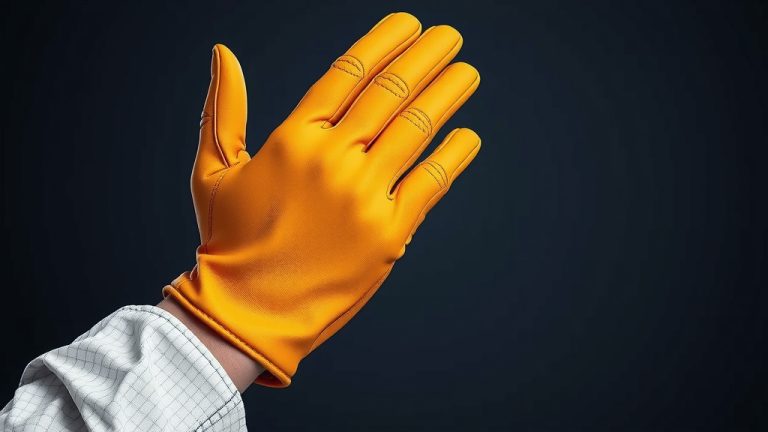
The easiest way to properly take off gloves is to grab the outside of the cuff and pull them down towards your fingertips, turning them inside out as you go. Then, slide your other hand underneath the removed glove and finish turning it inside out. This simple technique helps prevent contamination and keeps your hands clean.
Why does this matter? Improper glove removal can spread germs you were trying to contain. Think of it like peeling a banana. You want to keep the messy part contained. Many experts agree that this step-by-step process is key to maintaining hygiene, whether you’re in a medical setting or just trying to avoid a sticky mess at home. It’s all about being mindful of contact.
- Always start by grabbing the glove at the cuff.
- Pull downwards, turning the glove inside out.
- Use your other hand to help remove the second glove.
- Dispose of both gloves properly.
- Wash your hands afterward.
Let’s walk through exactly how this works step by step, so you can get it right every time.
The Right Way to Take Off Gloves
Taking off gloves seems simple, but doing it the wrong way can spread germs everywhere. You want to avoid touching the outside of the glove with your bare hands. This is important in many situations, from healthcare settings to your own kitchen. We’ll guide you through a method that keeps you protected.
Why Proper Glove Removal Matters
Gloves are a barrier. They protect you and others from germs. But they can also become contaminated themselves. If you pull them off incorrectly, those germs can transfer to your skin. This defeats the purpose of wearing them in the first place. Many health organizations stress the importance of this technique.
Preventing Cross-Contamination
Imagine you’ve been handling raw chicken. Your gloves are now covered in bacteria. If you touch the outside of the glove and then your face or a clean surface, you’ve spread the germs. This is called cross-contamination. Proper removal helps prevent this. It’s like peeling a sticker off a new item; you want the sticky part contained.
Maintaining Hand Hygiene
Even if you’re not in a medical field, keeping your hands clean is key. Whether you’re gardening, cleaning, or doing a messy craft, the goal is the same. You want to remove the dirty barrier without making your hands dirty. Research consistently shows that hand hygiene is a primary defense against illness (CDC).
Step-by-Step Glove Removal Guide
Let’s break down the process. Remember, the goal is to turn the glove inside out as you remove it. This way, the contaminated outer surface is folded in on itself. We will cover removing the first glove, then the second.
Removing the First Glove
Start with the hand that is less contaminated, if possible. This is often your non-dominant hand.
1. Grasp the Cuff
Pinch the outside of the glove’s cuff. This is the rolled-up edge near your wrist. Use your thumb and forefinger. Make sure you’re only touching the glove material. You don’t want to touch your skin underneath.
2. Peel Downwards
Gently pull the glove downwards towards your fingertips. Continue peeling. The glove should start to turn inside out. Keep it from touching your skin. This motion is like pulling a sock off your foot.
3. Contain and Discard
Once the glove is off, it should be completely inside out. The dirty outer surface is now hidden inside. Hold onto the glove you just removed. You can use this to help with the next glove, if you wish.
Removing the Second Glove
Now it’s time to remove the glove from your other hand. This hand might have touched more potentially contaminated items.
1. Use Your Fingers (or the First Glove)
Slide your ungloved finger(s) underneath the cuff of the remaining glove. You can also use the removed, inside-out glove to help here. Gently grip the outside of the second glove’s cuff with your fingers or the first glove.
2. Peel and Invert
Pull the second glove downwards. Continue peeling it off your hand. It should also turn inside out as you remove it. Try to do this in one fluid motion. This prevents touching the dirty outside.
3. Enclose and Dispose
Now both gloves are off. The first glove can often be used to fully enclose the second glove. Place the first inside-out glove over the second glove, turning it inside out as well. This creates a neat, contained package of used gloves. Dispose of them in a trash bin.
What to Do After Removing Gloves
You’ve successfully removed your gloves without touching the contaminated surfaces. But your work isn’t quite done yet. Proper hand hygiene is the final, vital step.
Wash Your Hands Thoroughly
This is non-negotiable. Even with perfect glove removal, washing your hands ensures maximum cleanliness. Use soap and warm water. Lather for at least 20 seconds, making sure to scrub all surfaces of your hands. Rinse well and dry your hands with a clean towel. This follows standard public health recommendations (WHO).
When to Use Hand Sanitizer
If soap and water aren’t available, an alcohol-based hand sanitizer with at least 60% alcohol can be used. Apply enough to cover all surfaces of your hands. Rub your hands together until they feel dry. However, hand washing is always preferred after removing potentially contaminated gloves.
Common Mistakes to Avoid
It’s easy to slip up when you’re in a hurry or not paying close attention. Here are a few things people often do wrong.
Touching Your Skin
The biggest mistake is letting the outside of the glove touch your bare skin as you remove it. This instantly transfers any contaminants. Always aim to keep the dirty side on the outside until it’s fully inverted.
Pulling Gloves Off Unevenly
Some people try to pull gloves off by grabbing the fingertips. This can rip the glove or make it harder to invert cleanly. Starting at the cuff is always the best approach.
Reaching for the Next Glove Too Soon
Avoid touching anything else before the second glove is fully removed and contained. This prevents spreading germs to other surfaces or items.
Checklist for Perfect Glove Removal
Keep this quick checklist handy to remind yourself of the key steps:
- Start by grabbing the glove’s cuff.
- Only touch the outside of the cuff.
- Peel the glove down, turning it inside out.
- Use the first removed glove to help with the second.
- Dispose of both gloves properly in a trash can.
- Wash your hands immediately after.
By following these simple steps, you can ensure that you are removing gloves effectively and safely. It’s a small habit that makes a big difference in maintaining cleanliness and preventing the spread of unwanted germs. You’ve got this!
Conclusion
You’ve learned how to expertly remove gloves to protect yourself from contamination. Remember, the key is to always turn the glove inside out as you peel it off, keeping the dirty side contained. This simple yet effective technique prevents germs from spreading to your hands and surrounding surfaces. By consistently following these steps, you’re building a strong habit of good hygiene. Your next step is to practice this method every time you wear gloves, making hand washing the final, crucial step to ensure complete cleanliness.
Frequently Asked Questions
Can I just pull gloves off quickly?
Pulling gloves off too quickly or haphazardly can easily lead to cross-contamination. The goal is to invert the glove as you remove it, essentially trapping the germs inside. Rushing the process often means touching the contaminated outer surface with your bare skin, defeating the purpose of wearing gloves.
What if my gloves rip when I’m trying to take them off?
If a glove rips during removal, try to proceed with caution. If the rip allows your skin to touch the contaminated outer surface, immediately stop. You’ll want to discard that glove, use your other hand (still gloved) to remove the second glove using the proper technique, and then wash your hands thoroughly. Consider using hand sanitizer in between if soap and water aren’t immediately available.
Is it okay to reuse disposable gloves?
No, disposable gloves are designed for single use only. Once you remove them, they are considered contaminated. Reusing them risks spreading germs from the outer surface to your hands and then to other surfaces. Always dispose of disposable gloves after a single use.
What’s the best way to remove gloves if I have long fingernails?
Long fingernails can make it a bit trickier, but the principle remains the same. Focus on pinching the cuff of the glove firmly between your thumb and forefinger. As you peel downwards, be mindful not to snag the glove on your nails, which could compromise the containment of germs. Gentle but firm pressure on the cuff is key.
Why is washing hands after removing gloves so important?
Even with the most careful glove removal technique, there’s always a small chance of microscopic contamination. Washing your hands thoroughly with soap and water is the final barrier against germs. It ensures that any residual contaminants are removed, providing the highest level of protection for your health and preventing the spread of illness.