How to Size Lacrosse Gloves for the Perfect Fit
Sizing lacrosse gloves is all about finding a pair that feels snug but not tight. You want gloves that allow for full hand movement without extra bulk. The best fit means your fingers reach the end of the glove fingers, with about a half-inch of space from the fingertips to the end of the glove. Too big and you lose control; too small and your hands will hurt.
Getting the right size ensures you can catch, throw, and cradle the ball effectively. It also protects your hands during play. We found that many players overlook this step. A proper fit means your gloves become an extension of your hands, not a distraction. Remember, comfort and performance go hand-in-hand.
- Measure your dominant hand for accuracy.
- Check the finger length and palm fit.
- Ensure a snug, but not constricting, feel.
- Don’t forget to consider your playing style.
Ready to find your perfect pair? Let’s walk through exactly how to measure your hands and what to look for when trying on lacrosse gloves.
Getting the Right Fit for Your Lacrosse Gloves
Finding the perfect size for your lacrosse gloves is super important. It’s not just about comfort; it directly affects your performance on the field. We found that gloves that are too big or too small can hinder your ability to catch, throw, and handle the stick.
So, how do you nail this fit? It all starts with a simple measurement. We’ll guide you through the process so you can feel confident in your choice.
Understanding Lacrosse Glove Sizing
Why Glove Fit Matters So Much
Think of your gloves as an extension of your hands. When they fit well, you gain better control over your stick. Your fingers can move freely, allowing for quicker stick checks and more precise passing. Conversely, ill-fitting gloves can feel bulky and restrictive.
We’ve seen many players struggle because their gloves weren’t sized correctly. This can lead to fumbling the ball or even hand injuries. Proper fit is key to both safety and skill.
Key Areas to Focus On
When trying on gloves, pay attention to a few specific areas. Your fingertips should be close to the end of the glove fingers. You don’t want a lot of extra space, maybe about a half-inch at most. Too much space means your fingers will slide around inside.
The palm of the glove should also feel secure. It shouldn’t be so tight that it restricts blood flow, but it also shouldn’t be loose. You want a snug feel that supports your hand without feeling like a vice grip.
Measuring Your Hands for the Perfect Fit
Step-by-Step Measurement Guide
Let’s get down to measuring. Grab a flexible tape measure or a piece of string and a ruler. You’ll want to measure your dominant hand, as this is typically the one you’ll use more for cradling and stick control.
Start by extending your dominant hand flat. Measure from the base of your palm (where your wrist meets your hand) all the way to the tip of your longest finger. Make sure the tape measure or string lies flat and doesn’t curve too much around your fingers.
Using a Lacrosse Glove Sizing Chart
Once you have your measurement, you’ll want to compare it to a sizing chart provided by the glove manufacturer. These charts are usually available on the websites of sporting goods stores or directly from the brands themselves.
Most charts will list measurements in inches or centimeters. Find where your hand measurement falls on the chart to determine your recommended glove size. Keep in mind that sizes can vary slightly between brands, so it’s always best to check the specific chart for the gloves you’re interested in.
| Hand Measurement (inches) | Glove Size (Example) |
|---|---|
| 6.0 – 6.5 | Youth Small |
| 6.5 – 7.0 | Youth Medium |
| 7.0 – 7.5 | Youth Large / Adult Small |
| 7.5 – 8.0 | Adult Medium |
| 8.0 – 8.5 | Adult Large |
| 8.5+ | Adult Extra Large |
Note: This is a generalized example. Always refer to the manufacturer’s specific sizing chart.
Trying on Lacrosse Gloves: What to Look For
The Finger Fit Test
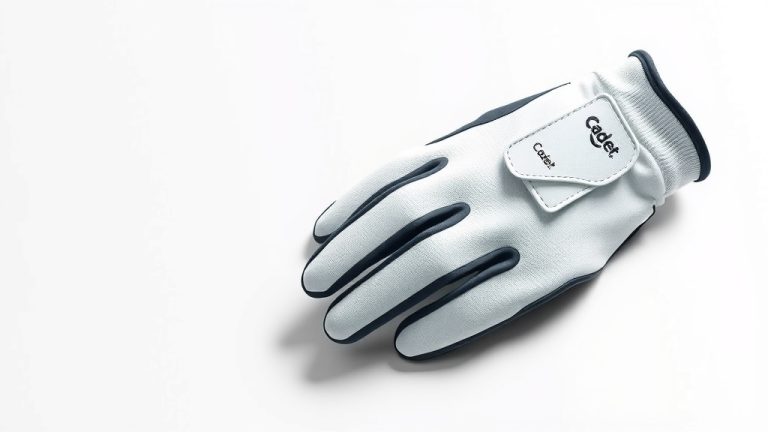
When you put on a pair of gloves, slide your hand in gently. Your fingers should reach the end of the glove’s individual finger stalls. You want them to feel snug, not crammed. Imagine sliding a sock on – it should feel comfortable, not tight.
If your fingertips are pushing hard against the end of the glove, they’re likely too small. If there’s a large gap and your fingers are swimming, they might be too big. We found that a good fit allows for full finger dexterity.
Assessing the Palm and Thumb
Next, check the palm area. It should lie flat against your hand without bunching up. The thumb opening is also critical. It should align naturally with your thumb, allowing for comfortable grip and movement of the stick.
We observed that a glove that’s too wide in the palm can make it harder to grip your stick securely. A thumb that feels restricted can also impact your ability to adjust your hold.
Testing Hand Mobility and Comfort
Now, it’s time to move! Make a fist. Can you do it comfortably without feeling restricted? Try opening and closing your hand multiple times. You should be able to grip your stick firmly and also relax your hand easily.
Grip your lacrosse stick if possible. Do the gloves allow you to maneuver the stick effectively? We found that comfort is subjective, but a good fit means you barely notice the gloves are there.
Considering Your Playing Style and Position
Offensive vs. Defensive Glove Needs
Your playing style can influence the type of glove you prefer. Attackers and midfielders often look for gloves that offer maximum flexibility and a closer feel to the stick for quick dodges and shots. They might prioritize thinner padding.
Defenders, on the other hand, might opt for gloves with slightly more padding for protection against stick checks. However, they still need to maintain good dexterity for scooping ground balls and throwing.
The Role of Padding and Protection
Lacrosse gloves come with varying levels of padding. Younger players or those new to the game might benefit from more protective gloves. As you advance, you might look for gloves that offer a balance between protection and enhanced feel.
We’ve researched that while padding is important for safety, excessive padding can sometimes reduce your stick feel. It’s a trade-off that often comes down to personal preference and the specific demands of your position.
Final Checks Before You Buy
Before making your final decision, do one last walk-through. Try them on again, check all the points we’ve discussed. Imagine playing a game – would these gloves help or hinder you?
Here’s a quick checklist to keep in mind:
- Fingertips are near the end of the glove fingers.
- No excessive bunching in the palm.
- Thumb moves freely and aligns well.
- You can make a full fist comfortably.
- You feel a secure grip on your stick.
- The gloves don’t cause any pinching or discomfort.
By following these steps, you’ll be well on your way to finding lacrosse gloves that feel like they were made just for you, improving both your comfort and your game.
Conclusion
Finding the right lacrosse glove size is essential for your performance and comfort on the field. Remember, your gloves should feel like a natural extension of your hands. You want a snug fit that allows for full movement without any pinching or extra bulk. By taking accurate measurements and paying attention to the fit in key areas like your fingertips and palm, you’ll make a much more confident choice. Don’t settle for gloves that feel off; take the time to find the perfect pair that will help you play your best.
Frequently Asked Questions
How much space should there be between my fingertips and the end of the glove?
You should aim for about a half-inch of space at the very end of the glove’s fingers. This allows your fingers to reach the end without being crammed, ensuring you don’t lose dexterity. Too much space means your fingers will slide around, affecting control.
Should I measure both hands for lacrosse glove size?
It’s best to measure your dominant hand for sizing accuracy, as this is usually the hand you’ll rely on most for stick control. However, if you notice a significant difference between your hands, it might be worth checking the fit on both.
Can I wear batting gloves or other liners under my lacrosse gloves?
Some players do this for added comfort or grip. If you plan to wear liners, make sure to try on your lacrosse gloves with them on. This will ensure the combined fit is still snug and doesn’t make the gloves too tight or restrict movement.
What’s the difference in sizing between youth and adult lacrosse gloves?
Youth gloves are designed for smaller hands and generally have less padding. Adult sizes start where youth sizes leave off and are sized for a larger hand span. Always refer to the manufacturer’s sizing chart, as they will clearly distinguish between youth and adult categories.
How do I know if my lacrosse gloves are too tight?
Gloves that are too tight will feel constricting, making it hard to form a fist or grip your stick. You might experience numbness, tingling, or discomfort. Your fingers should reach the end of the glove stall without feeling jammed, and the palm should feel snug but not like it’s cutting off circulation.