How to Find the Right Softball Glove Size
Determining the right softball glove size is all about matching the glove to the player’s age and position. For adults, most gloves range from 11.5 to 12.5 inches, while youth players need smaller gloves, typically between 9 to 11 inches. Getting this right ensures you can catch the ball effectively and without fumbling.
It’s not just about having a glove that fits your hand. We found that the pocket depth and finger stalls play a big role too. A fielder might prefer a shallower pocket for quicker transfers, while a first baseman needs a deeper one to scoop up errant throws. Choosing the correct size is a key factor for performance.
- Glove size depends on player age and position.
- Adults usually use 11.5-12.5 inches.
- Youth players need 9-11 inches.
- Pocket depth and finger stalls matter too.
Let’s walk through exactly how you can measure and select the perfect softball glove for your needs.
Finding the Right Softball Glove Fit
Choosing the correct softball glove size is really about finding a balance. You want a glove that feels like an extension of your hand. It should help you make plays, not hinder you. We found that size is the first big piece of the puzzle.
Understanding Glove Sizing: The Basics
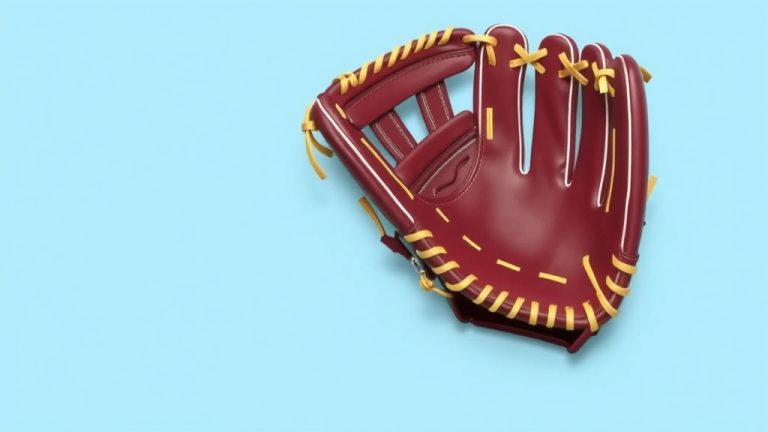
Softball gloves are measured from the tip of the index finger to the heel of the glove. This measurement is usually in inches. It might seem simple, but this number tells you a lot. It dictates how much space you have for the ball. It also influences how well you can close the glove.
Why Size Matters for Performance
A glove that’s too small won’t let you secure the ball. It might pop out, leading to errors. Conversely, a glove that’s too large can be hard to control. You might struggle to close it quickly. We found that proper sizing is key for confidence on the field.
Glove Size by Player Age and Experience
The most common way to determine glove size is by age. This is especially true for younger players. As players grow, their hands grow too. Their needs at different positions also change. Let’s break this down a bit.
Youth Players (Ages 12 and Under)
For younger athletes, smaller gloves are essential. They need to be able to close the glove easily. Many experts recommend gloves in the 9 to 11-inch range for this age group. A 9-inch glove might be good for very young players just starting out. An 11-inch glove could work for older youth players. We found that these sizes help them develop good catching habits.
Infielders (Youth and Adult)
Infielders often prefer smaller gloves. This helps them make quick transfers from glove to throwing hand. For youth infielders, this might mean a 10.5 to 11.5-inch glove. Adult infielders often use gloves around 11 to 11.5 inches. The goal is a fast, clean release for throws.
Outfielders (Youth and Adult)
Outfielders typically need larger gloves. This helps them reach for fly balls and snag them. A larger glove also provides a bigger target for the pitcher. Youth outfielders might use an 11.5 to 12-inch glove. Adult outfielders commonly go for 12 to 12.5 inches, sometimes even larger. We found that this size difference allows for better coverage and ball security.
First Basemen and Catchers
These positions have specialized gloves. First basemen’s mitts are usually larger and have a deeper pocket. They’re designed to scoop up throws. Catchers’ mitts are very different – they have no fingers and are heavily padded. These are sized differently, often based on circumference rather than length. For adult first basemen, gloves are typically 12.5 inches or more. For youth players, they might be 10.5 to 12 inches. We found that these are highly specialized tools.
Beyond the Inch: Pocket Depth and Finger Stalls
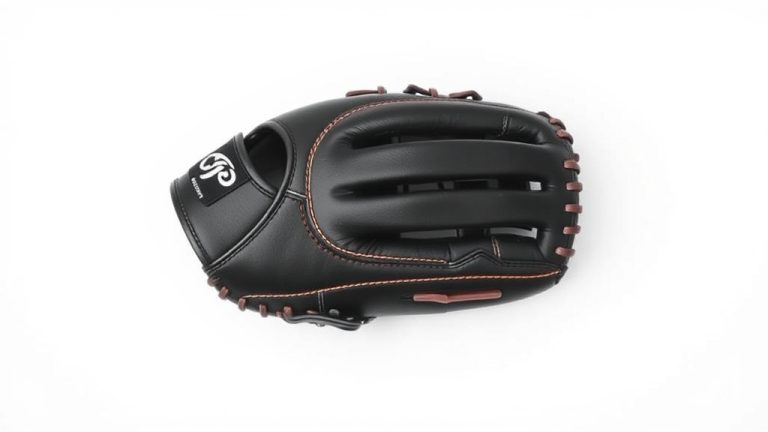
While the overall length is important, don’t forget the pocket. The pocket is where the ball actually rests. A deeper pocket helps secure the ball. A shallower pocket can help with quicker transfers. Many glove manufacturers offer different pocket depths within the same size. We found that this is a personal preference for many players.
The finger stalls also play a role. These are the individual pockets for your fingers. Some gloves have wider stalls, while others are narrower. This can affect how snug the glove feels on your hand. Some players like a tight fit, feeling more control. Others prefer a bit more room. We found that trying on gloves is the best way to assess this.
How to Measure Your Hand for a Glove
You can get a good idea of your size by measuring your hand. Lay your dominant hand flat on a piece of paper. Trace around your hand. Measure from the tip of your longest finger down to the center of your wrist crease. Then, measure across the widest part of your palm. Many glove manufacturers provide charts based on these measurements. This can be a helpful starting point.
| Player Type | Typical Size Range (Inches) |
|---|---|
| Youth Infielders | 10.5 – 11 |
| Youth Outfielders | 11 – 11.5 |
| Adult Infielders | 11 – 11.5 |
| Adult Outfielders | 12 – 12.5+ |
| First Baseman (Adult) | 12.5+ |
The Checklist for Finding Your Perfect Glove Size
Before you buy, run through this quick checklist. It will help ensure you’re on the right track.
- Measure your hand if you’re unsure.
- Consider your primary position on the field.
- Think about your age and playing level.
- Check the glove’s overall length.
- Consider pocket depth and finger stall fit.
- If possible, try the glove on before you buy!
Getting the right size glove is more than just a number. It’s about feel, control, and confidence. We found that taking a little extra time now can make a big difference in your game.
Conclusion
Finding the right softball glove size boils down to a few key factors: your age, position, and personal feel. We’ve seen how an 11.5-inch glove for an adult infielder differs from a 12-inch glove for an outfielder. Remember to consider pocket depth and finger stalls too. Your glove should feel like a natural extension of your hand, boosting your confidence and performance. Your next step is to measure your hand and try on gloves to see what feels best for you on the field!
Frequently Asked Questions
What if I play multiple positions? How does that affect glove size?
If you play multiple positions, you might need to consider your primary role. For example, if you often play outfield but sometimes pitch, you might lean towards a slightly larger glove that works well for both. We found that many players compromise on a size that offers versatility.
Can I use a baseball glove for softball, and does that change sizing?
Softball gloves are generally larger than baseball gloves for the same player size. This is because softballs are larger than baseballs. While you *can* use a baseball glove in a pinch, it’s not ideal for optimal catching. Sizing for softball gloves typically runs a bit bigger to accommodate the larger ball.
How do I know if the finger stalls are the right fit?
The finger stalls should feel snug but not uncomfortably tight. Your fingers should reach the end of their respective stalls without being crammed. We found that if your fingers feel pinched, the glove is likely too small in the finger stall area. A glove that’s too loose in the stalls can make it harder to control.
Are there specific “break-in” periods that affect glove size perception?
Yes, many gloves require a break-in period to mold to your hand. During this time, a glove might feel a bit stiff and less forgiving. However, the actual size of the glove doesn’t change significantly. We recommend considering the fit when the glove is broken in, not just when it’s brand new.
How much does glove brand influence the recommended size?
While the general sizing guidelines apply across brands, you might find slight variations. Some brands tend to run slightly larger or smaller. We found that checking the manufacturer’s specific sizing chart is always a good idea. Trying on gloves from different brands can help you find the best fit for your hand shape.