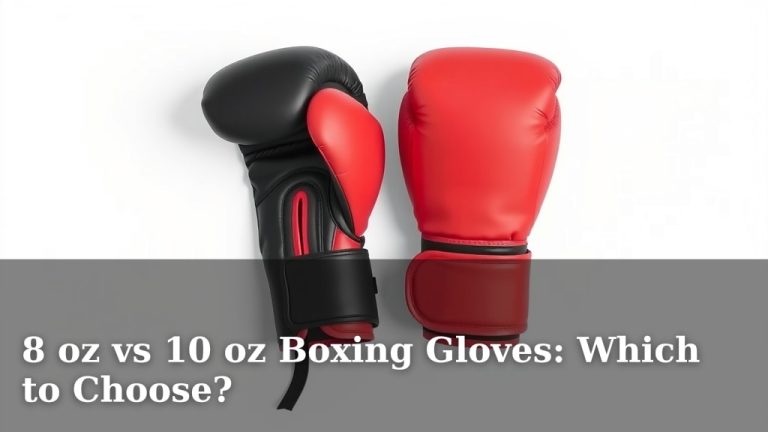
Choosing Boxing Glove Ounces: A Simple Guide
Choosing the right ounce boxing gloves depends on your weight, training type, and experience level. Generally, heavier fighters or those sparring need heavier gloves (14-18 oz), while lighter individuals or those focusing on bag work can use lighter ones (10-12 oz). It’s all about balancing protection and feel.
Getting this choice right is super important for your training. Too light, and you risk hurting yourself or your partner. Too heavy, and you might slow down your punches. We found that understanding the oz-to-weight ratio is key for making a smart decision. Many experts suggest starting heavier if you’re unsure.
- Weight is key: Heavier gloves protect more.
- Training matters: Sparring needs heavier gloves than bag work.
- Your weight counts: Lighter people often use lighter gloves.
- When in doubt: Go a little heavier for better protection.
Let’s walk through exactly how to pick the perfect ounce boxing gloves for your needs.
You’ve got the drive, you’ve got the passion, and now you’re ready to step into the ring – or at least, the training space. But before you start throwing those powerful jabs and hooks, you need the right gear. One of the most common questions we hear from new boxers is about gloves. Specifically, “What ounce boxing gloves should I buy?” It can feel a little overwhelming with all the options. Let’s break it down so you can find the perfect fit for your training journey.
Understanding Boxing Glove Ounces
The “ounce” (oz) on boxing gloves refers to their weight. This weight is distributed across the glove’s padding. Heavier gloves generally offer more padding. This means they provide better protection for both your hands and your training partners. Lighter gloves have less padding. They feel quicker but offer less shock absorption. It’s a balance between protecting yourself and being able to feel your punches.
Why Glove Weight Matters So Much
Think of it like this: Would you use a light pillow to catch a bowling ball? Probably not. The same principle applies to boxing gloves. Your gloves are your first line of defense against impact. Choosing the right weight is vital for preventing injuries. It also ensures that your training sessions are effective and safe for everyone involved. We found that even a few ounces can make a noticeable difference.
Protection vs. Speed: The Trade-off
Generally, heavier gloves mean more padding. This offers superior protection for your hands and wrists during heavy impact. It also helps to cushion the blow for your sparring partner. Lighter gloves, on the other hand, feel lighter on your hands. This can help you develop faster hand speed. However, they offer less protection. This is why the ounce count is so important for different training activities.
Choosing Gloves Based on Your Weight
Your body weight is a primary factor in determining the right glove size. This is because heavier individuals naturally generate more force. They need gloves with more padding to absorb that impact. Lighter individuals may not need as much padding, but protection is still key. Our guide to boxing glove sizes explains how your body weight impacts the best ounce choice.
For Lighter Boxers (Under 100-120 lbs)
If you’re on the lighter side, you might find 10 oz or 12 oz gloves suitable for bag work or pad training. For sparring, it’s often recommended to use a slightly heavier glove than you might think. Many experts suggest that even lighter individuals should consider 14 oz gloves for sparring. This ensures adequate protection for both you and your training partners. We found that this is a common recommendation across many training facilities.
For Mid-Weight Boxers (120-150 lbs)
For boxers in this weight range, 12 oz or 14 oz gloves are often a good starting point for bag work. When it comes to sparring, 14 oz or 16 oz gloves are typically recommended. The extra padding in 16 oz gloves provides enhanced safety. This is especially important when you’re exchanging blows with someone. Research from boxing communities often points to 16 oz as a standard for sparring in this weight class.
For Heavier Boxers (150 lbs and Up)
If you weigh 150 lbs or more, you’ll likely need the most substantial protection. For bag and pad work, 14 oz or 16 oz gloves can work well. However, for sparring, 16 oz or 18 oz gloves are almost always the standard. These gloves offer maximum padding. This significantly reduces the risk of hand injuries and ensures your sparring partner is also safe. Many professional boxing organizations mandate 16 oz or heavier gloves for sparring.
Glove Weight for Different Training Types
The type of training you’re doing heavily influences the glove ounce you should choose. What’s perfect for hitting a heavy bag isn’t always ideal for sparring. It’s all about matching the glove to the task at hand.
Bag Work and Pad Training
When you’re hitting a heavy bag or working with pads, your primary concern is protecting your hands from repetitive impact. You don’t need the same level of protection as you would in sparring. Many people find that 10 oz to 14 oz gloves are suitable for this. Some lighter boxers might even use 8 oz for bag work, but this is less common and generally not recommended for beginners. The goal here is to allow for some speed while still protecting your knuckles and wrists.
Sparring
Sparring is where glove weight becomes critically important. The aim here is to simulate a real fight without causing serious injury. This means you need gloves with ample padding to absorb the force of punches. For sparring, it’s widely recommended to use gloves that are 14 oz or heavier. For most adults, 16 oz is considered the standard for sparring. We found that even lighter individuals should opt for 14 oz or 16 oz for safety. This is a rule that many gyms strictly enforce.
Why Heavier for Sparring?
When you spar, you’re exchanging punches with another person. The force of these punches can be considerable. Heavier gloves, with their increased padding, help to distribute and absorb this force. This protects not only your hands but also your sparring partner’s head and face. Many boxing organizations and gyms have rules about minimum glove weights for sparring to ensure safety for everyone involved. Think of it as a protective cushion for both of you.
Beginner’s Guide: What to Choose First?
If you’re just starting out, it can be tough to know where to begin. Many trainers and experienced boxers have a go-to recommendation for beginners. It’s usually better to be a little overprotected than underprotected when you’re learning. We found that most experts advise beginners to err on the side of caution.
The “When in Doubt, Go Heavier” Rule
A common piece of advice for beginners is to choose gloves that are a bit heavier than you think you might need, especially for sparring. If you’re unsure between 14 oz and 16 oz for sparring, go for the 16 oz gloves. This ensures you have maximum protection as you develop your technique and learn to control your power. It’s a simple rule that can save you a lot of discomfort and potential injury.
Consider Your Gym’s Recommendations
Most boxing gyms have specific recommendations or even requirements for the type of gloves their members should use, especially for sparring. It’s always a good idea to ask your coach or the gym staff. They see new members constantly and know what works best in their environment. They can guide you based on the gym’s equipment and the general size and weight of the people training there.
A Quick Glove Ounce Checklist
To make things even simpler, here’s a quick rundown to help you decide:
- Beginner Boxers: Aim for 14-16 oz for sparring, 12-14 oz for bag work.
- Under 120 lbs: 10-12 oz for bag work, 14 oz minimum for sparring.
- 120-150 lbs: 12-14 oz for bag work, 14-16 oz for sparring.
- 150 lbs and Up: 14-16 oz for bag work, 16-18 oz for sparring.
- Focus on Protection: If in doubt, choose a heavier glove for sparring.
- Gym Rules Matter: Always check with your coach or gym first.
Beyond Ounces: Other Factors to Consider
While ounce weight is the most critical factor for protection, other elements contribute to a good glove. Fit is paramount; a glove that doesn’t fit well can cause blisters or wrist strain. The quality of materials also plays a role in durability and comfort. However, for your first pair, getting the ounce weight right is the most important step.
Fit is King
Even the perfect ounce weight won’t help if the glove doesn’t fit your hand properly. Your fingers should reach the end of the glove comfortably, and the wrist support should feel snug but not constricting. A good fit is essential for preventing hand fatigue and ensuring proper form. We found that trying gloves on whenever possible is the best way to assess fit.
Conclusion
You’ve now got a clear picture of how ounce weight impacts your boxing gloves. Remember, it’s a balance between protecting your hands and your training partners, and matching the glove to your training type and body weight. For bag work, a bit lighter might do, but for sparring, always prioritize protection. If you’re new to the sport and feeling uncertain, our research and found advice is consistent: when in doubt, go heavier for sparring. Your next step? Grab your chosen gloves and get back to training safely and effectively!
Frequently Asked Questions
Are boxing gloves for women different in ounce weight?
Generally, the ounce recommendations are based on body weight and training type, not gender. However, women often have smaller hands, so fit might be a consideration. You might find gloves designed with a slimmer fit, but the ounce weight should still align with the guidelines provided based on your body weight and how you train.
Can I use my sparring gloves for bag work?
Yes, you absolutely can use your heavier sparring gloves for bag work if you want to. The extra padding will offer excellent protection for your hands. However, they will feel heavier, which might make your hands feel slower when you transition back to lighter gloves for other training. It’s more about what feels comfortable and protective for you.
How often should I replace my boxing gloves?
Boxing gloves don’t last forever, even with good care. We found that most gloves start to show wear after about 6-12 months of regular training. Look for signs of significant padding compression, torn seams, or degraded wrist support. Replacing them ensures you maintain the protection and comfort you need for effective training.
Do heavier gloves make your punches slower?
Heavier gloves do have more padding and can feel more cumbersome, which might give the perception of slower punches initially. However, the primary goal of heavier gloves is protection, especially during sparring. Many athletes find they can still develop speed even with heavier gloves, and it’s a worthwhile trade-off for safety. Practicing with various weights can help you adapt.
What if my gym requires a specific ounce weight for sparring?
Always follow your gym’s rules! They have these requirements for a reason, usually to ensure the safety of all members. If your gym mandates a specific ounce weight for sparring, like 16 oz, then that’s what you should get. You can always have a separate, lighter pair for bag work if you like.