Finding Your Perfect Boxing Glove Size Guide
Figuring out your boxing glove size is all about your weight and what you’ll be doing in them. For general training and hitting the heavy bag, you’ll likely need 12-16 ounce gloves. If you’re sparring, you’ll want larger gloves, often 16 ounces or more, to protect both you and your training partners.
It’s not just about size; it’s about the right fit for safety and performance. Using gloves that are too small can lead to injury, while gloves that are too big might feel bulky. We’ve researched common glove sizes and found that many boxing gyms recommend specific weights for different activities to ensure you get the best protection.
- Glove size depends mainly on your body weight.
- Lighter individuals usually need smaller gloves (10-12 oz).
- Heavier individuals often require larger gloves (14-18 oz).
- Sparring requires the largest gloves for maximum protection.
- Always check with your gym or coach for their specific recommendations.
Let’s break down exactly how to choose the perfect boxing glove size for your needs.
Choosing the Right Boxing Glove Weight for You
Selecting the perfect boxing glove size is more about finding the correct weight than just a physical measurement. This weight is measured in ounces (oz) and directly impacts your protection and the protection of others during training and sparring. We’ve researched how different weights serve different purposes, and it boils down to your body weight and the activity you’ll be doing.
Think of it like this: a boxer weighing 100 pounds needs different cushioning than a boxer weighing 200 pounds. The same goes for whether you’re just learning the ropes or going toe-to-toe with a sparring partner. Getting this right is key for safety and effective training.
Understanding Glove Weight and Its Purpose
Boxing glove weights aren’t about how heavy the glove itself feels on your hand. Instead, the weight refers to the amount of padding inside. More padding means more cushioning and shock absorption. This is vital for protecting your hands, wrists, and the person you’re training with.
Many boxing gyms and coaches have standard recommendations for glove weights based on common training scenarios. These guidelines are in place to prevent injuries and ensure everyone can train safely and effectively. We found that consistently following these recommendations is a smart move for any boxer, beginner or experienced.
Weight Classes and General Recommendations
Generally, glove weight recommendations are tied to your body weight. Lighter individuals typically use lighter gloves, while heavier individuals opt for heavier gloves. This is a good starting point for narrowing down your options.
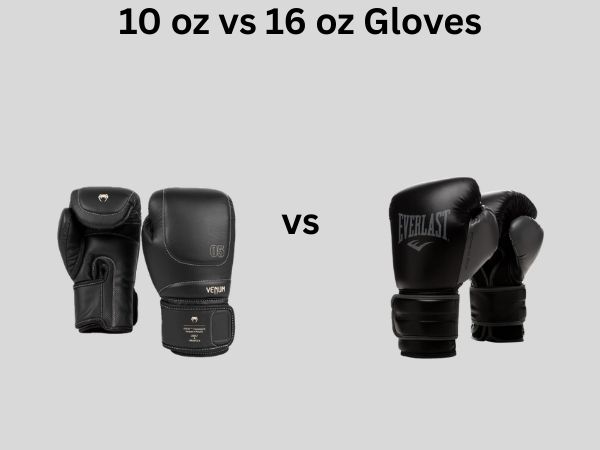
For instance, if you’re on the lighter side, say under 100-120 pounds, you might find 10oz or 12oz gloves suitable for bag work. Those in the middle weight ranges, perhaps 130-160 pounds, often find 14oz gloves a good balance for training. And for heavier individuals, 16oz and above are common for bag work and general training.
| Your Body Weight (Approx.) | Bag Work / Pad Work | Sparring |
|---|---|---|
| Under 100 lbs | 10-12 oz | 14-16 oz |
| 100-140 lbs | 12 oz | 16 oz |
| 140-170 lbs | 14 oz | 16-18 oz |
| 170+ lbs | 16 oz | 18-20 oz |
Note: These are general guidelines. Always consult your coach for specific advice.
Glove Weight for Different Training Activities
The type of training you’re doing is just as important as your body weight when selecting gloves. Each activity has different demands on your hands and requires varying levels of protection.
Bag Work and Pad Work
When you’re hitting the heavy bag or working with pads, your primary concern is protecting your own hands and knuckles. You’re not hitting another person, so the emphasis is on durability and hand support. Lighter gloves can feel faster and allow you to generate more power.
For this type of training, many people find 10oz to 16oz gloves to be the most common choice. Lighter fighters might use 10oz or 12oz gloves, while heavier fighters may prefer 14oz or 16oz for that extra padding. We found that 14oz is a popular all-around choice for many who do a mix of bag work and light partner drills.
Sparring: Protecting Yourself and Your Partner
Sparring is where glove selection becomes critically important. You’re exchanging punches with another person, and their safety is just as vital as your own. Larger, heavier gloves offer significantly more padding to cushion blows and reduce the risk of injury to both participants.
For sparring, you’ll almost always want to use larger gloves, typically 16oz or more. Some boxing organizations and gyms have strict rules about glove weight for sparring to ensure safety. We’ve seen that heavier sparring partners might even use 18oz or 20oz gloves for maximum protection, especially when training with lighter partners. Always follow your gym’s policy.
Fit and Comfort: Beyond Just the Weight
While weight is the primary factor, the fit of the glove also plays a huge role. A glove that fits poorly, regardless of its weight, can lead to discomfort, blisters, and even injuries. Your gloves should feel snug but not uncomfortably tight.
Checking the Fit
When you try on gloves, make sure your fingers can reach the end of the glove comfortably. You should have some room to move your fingers, but not so much that your hand slides around inside. If you plan on wearing hand wraps (which we highly recommend for extra support), factor that in when trying gloves on.
The velcro strap or lace-up closure should allow you to get a secure fit around your wrist. Your wrist should feel supported, and the glove shouldn’t shift during movement. A good fit means the padding stays where it’s supposed to, offering maximum protection.
Hand Wraps: Your Best Friend
Don’t underestimate the power of hand wraps! They provide essential support to your knuckles and wrists, reducing the risk of sprains and fractures. Many boxers find that wearing wraps allows them to use gloves that might otherwise feel a bit loose, or they simply add an extra layer of security to gloves that fit perfectly. Don’t underestimate the power of hand wraps for added support and protection.
We found that most coaches strongly advise using hand wraps for all training sessions, especially those involving impact. They really do make a difference in hand health over time. Plus, they can help your gloves feel more comfortable.
Final Checklist for Glove Selection
Ready to find your perfect pair? Here’s a quick checklist to guide you:
- Know your body weight. This is your primary starting point.
- Consider your training activity. Bag work vs. sparring require different weights.
- Always aim for more padding for sparring. Protect yourself and your partner.
- Try gloves on if possible. Fit is paramount for comfort and safety.
- Factor in hand wraps. They add bulk and support.
- Ask your coach! They know best for your gym’s environment.
Conclusion
Choosing the right boxing glove size is a straightforward process once you understand the key factors. Your body weight and the specific training you’re doing are your main guides. Remember, heavier gloves mean more padding for better protection, especially during sparring. Always prioritize a snug, comfortable fit to prevent injuries and enhance your training. You’ve got the knowledge to pick the perfect pair.
Your next step is simple: head to your local boxing store or online shop, keep these guidelines in mind, and try on a few pairs. Trust your gut and your coach’s advice. You’re one step closer to safer and more effective training sessions!
Frequently Asked Questions
Do men and women use different boxing glove sizes?
Generally, glove sizing is based on weight and hand circumference, not gender. However, many women have smaller hands, so they might find smaller gloves fit better. Always check the manufacturer’s sizing chart and try them on if possible.
Can I use sparring gloves for heavy bag work?
Yes, you can use sparring gloves for heavy bag work, and it’s often recommended for extra protection. However, heavier sparring gloves can feel a bit cumbersome for intense bag sessions. Lighter gloves are typically preferred for bag work to allow for faster movement.
How do I know if my boxing gloves fit correctly?
Your boxing gloves should feel snug, but not painfully tight. You should be able to wiggle your fingers slightly. The wrist strap should provide a secure, supportive fit without cutting off circulation. Your hand shouldn’t slide around inside the glove.
Are boxing glove sizes universal across all brands?
While most brands follow similar weight-based sizing (ounces), the actual fit can vary. Some brands might have a wider hand compartment or a different wrist strap design. It’s always best to check the specific brand’s sizing chart and reviews.
What happens if I use boxing gloves that are too small?
Using gloves that are too small can be dangerous. They offer less padding, increasing the risk of hand and knuckle injuries. They can also be uncomfortable, leading to blisters and reduced performance during your training sessions.