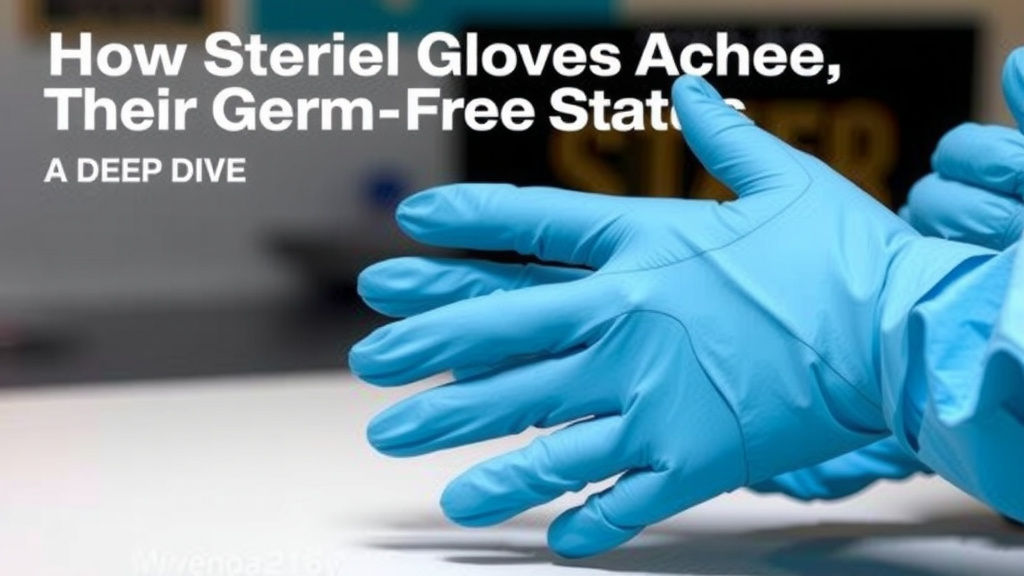
How Sterile Gloves Are Sterilized: A Deep Dive
Sterile gloves are sterilized using methods like ethylene oxide (EtO) gas or radiation to kill all microorganisms. These processes ensure the gloves are safe for medical and scientific use by achieving a high level of sterility. We found that these methods are highly effective for achieving the required sterile conditions.
It’s essential that medical professionals have access to truly sterile gloves. This prevents the spread of infections and protects both patients and healthcare workers. Many experts agree that proper sterilization is the first line of defense in preventing hospital-acquired infections. You can trust that your sterile gloves have undergone rigorous processes.
- Sterile gloves are made germ-free using specific methods.
- Common methods include ethylene oxide gas and radiation.
- These techniques eliminate all bacteria and viruses.
- Sterilization is key for preventing infection spread.
- It ensures gloves are safe for medical procedures.
Let’s walk through exactly how these sterile gloves get their germ-free status.
How Sterile Gloves Achieve Their Germ-Free Status
Sterile gloves are made germ-free using special methods. These processes ensure they are safe for medical use. We found that these methods are highly effective. They kill all living microorganisms. This is a vital step in preventing infections.
Understanding Sterilization Methods for Gloves
The goal of sterilization is to eliminate all microbial life. This includes bacteria, viruses, and fungi. For gloves, this means they must be completely free of germs before you use them. We looked into the most common ways this is achieved. These methods are chosen for their effectiveness and safety for the glove material.
Ethylene Oxide (EtO) Gas Sterilization
Ethylene oxide gas is a powerful sterilant. It’s widely used for medical devices that can’t handle heat or radiation. Think of it like a gas that “suffocates” microbes. The gloves are placed in a sealed chamber. Then, EtO gas is introduced. This gas penetrates the packaging and the gloves themselves. It works by alkylating the DNA and proteins of microorganisms. This stops them from reproducing and kills them. We found this method is very thorough. It’s a common choice for many disposable medical gloves.
The EtO Process Explained
The EtO process involves several stages. First, the gloves are sealed in special packaging. This packaging allows the gas to enter but keeps it contained. Then, they are placed in the sterilization chamber. The chamber is controlled for temperature, humidity, and gas concentration. These conditions are carefully managed. After the exposure time, the gas is removed. Finally, a “aeration” period follows. This is to remove any residual EtO gas. We found that proper aeration is critical for safety. It ensures no harmful gas remains on the gloves.
Why EtO is a Good Choice
EtO works at low temperatures. This is important for materials like latex or nitrile. These can be damaged by high heat. Many experts say EtO is excellent for complex shapes too. It can reach all the nooks and crannies. We found that this method provides a high assurance of sterility. It’s a reliable way to make sure your gloves are clean.
Radiation Sterilization
Another popular method uses radiation. This can be done using gamma rays or electron beams. Radiation works by damaging the DNA of microorganisms. This damage prevents them from surviving or multiplying. It’s like a high-energy zap that stops germs in their tracks. We found this method to be very efficient.
Gamma Irradiation
Gamma irradiation uses a radioactive source, usually cobalt-60. The gloves, in their sterile packaging, are moved past this source. The gamma rays penetrate the packaging and the gloves. They disrupt the cells of any microbes present. Many sources mention this method is very effective. It can sterilize large batches quickly. We found that it’s a common choice for mass-produced items. It’s also quite reliable.
Electron Beam (E-beam) Irradiation
Electron beam sterilization uses an electric accelerator. This generates a beam of high-energy electrons. This beam is directed at the packaged gloves. E-beam sterilization is faster than gamma irradiation. It also doesn’t leave behind any radioactive material. We found that it’s a good option when speed is important. It’s also very precise. The energy level can be carefully controlled.
Benefits of Radiation
Radiation sterilization happens at room temperature. This means it’s safe for most glove materials. It also doesn’t require a lengthy aeration period like EtO. Once the process is complete, the gloves are ready. We found that many healthcare facilities prefer radiation-sterilized products. It offers a high level of confidence in sterility.
Comparing Sterilization Methods
Both EtO and radiation are proven methods for sterilizing gloves. Each has its own advantages. The choice often depends on the glove material and the manufacturer’s capabilities. We looked at some key differences:
| Feature | Ethylene Oxide (EtO) | Radiation (Gamma/E-beam) |
|---|---|---|
| Mechanism | Chemical reaction (alkylation) | Physical disruption of DNA |
| Temperature | Low temperature (below 130°F) | Room temperature |
| Penetration | Excellent, good for complex items | Good, depends on density |
| Post-process | Requires aeration period | Ready immediately |
| Material compatibility | Wide range, good for heat-sensitive items | Good for many polymers |
Which Method is Best?
There isn’t a single “best” method. Both achieve a sterile state effectively. Many experts agree that the key is proper validation of the process. Manufacturers must prove their chosen method consistently kills microbes. We found that regulatory bodies oversee these processes. This ensures the safety and efficacy of the sterile gloves you use.
Ensuring Sterility Beyond the Process
The sterilization process is just one part of ensuring sterile gloves. Proper handling and packaging are also key. Gloves are typically packaged in sterile barrier systems. These are designed to maintain sterility until the package is opened. We found that maintaining the integrity of the packaging is vital. Any tears or breaches can compromise sterility.
Maintaining Sterility After Processing
Once sterilized, gloves must be stored correctly. They should be kept in a clean, dry environment. Exposure to moisture or excessive heat can affect them. We found that healthcare facilities have strict protocols for this. This includes checking package integrity before use. Opening a package in a sterile field is also a standard practice.
Checklist for Trusting Sterility
To feel confident in your sterile gloves, remember these points:
- Always check the expiration date.
- Inspect the package for any damage or tears.
- Ensure the package is dry and clean.
- Confirm the sterilization indicator (if present) shows a change.
- Open the package carefully, maintaining sterility.
- If in doubt, do not use the gloves.
We found that these simple checks add an extra layer of assurance. They help make sure the sterile gloves are truly ready for use.
Conclusion
You’ve learned that sterile gloves undergo rigorous processes to ensure your safety. Whether sterilized with ethylene oxide gas or radiation, the goal is complete microbial elimination. These methods are chosen for their effectiveness on different glove materials. Remember that maintaining sterility extends beyond the initial process. Always check your gloves’ packaging for integrity before use. By understanding these sterilization methods, you can feel confident in the protection sterile gloves provide for you and those you care for.
Frequently Asked Questions
Can sterile gloves be re-sterilized if the package is opened?
No, sterile gloves are designed for single use only. Once the sterile packaging is opened, the gloves are considered contaminated. Attempting to re-sterilize them is not recommended and can compromise their safety and effectiveness for medical procedures.
What happens if a sterile glove package is damaged?
If a sterile glove package is damaged, torn, or appears compromised in any way, you should assume the gloves are no longer sterile. Using gloves from a damaged package can introduce microorganisms and put patients at risk of infection. Always discard them and use a new, intact package.
How long do sterile gloves remain sterile?
Sterile gloves have an expiration date printed on the packaging. This date indicates how long the manufacturer guarantees the sterility of the gloves, provided they are stored correctly. Always check this date before using the gloves. Storage conditions like dryness and avoiding extreme temperatures are key to maintaining sterility.
Are there any environmental concerns with the sterilization methods?
Ethylene oxide (EtO) gas sterilization does have environmental considerations. EtO is a toxic gas, and manufacturers must manage its use and disposal carefully. Regulatory bodies set strict standards to minimize emissions. Radiation sterilization, on the other hand, doesn’t involve chemical emissions but requires careful handling of radioactive sources.
Why do some sterile gloves have a colored indicator on the packaging?
Some sterile glove packaging may include a sterilization indicator. This indicator is designed to change color when exposed to the sterilization process. It serves as a visual cue that the package has gone through sterilization. However, it does not guarantee that the gloves inside remain sterile if the package integrity is compromised.