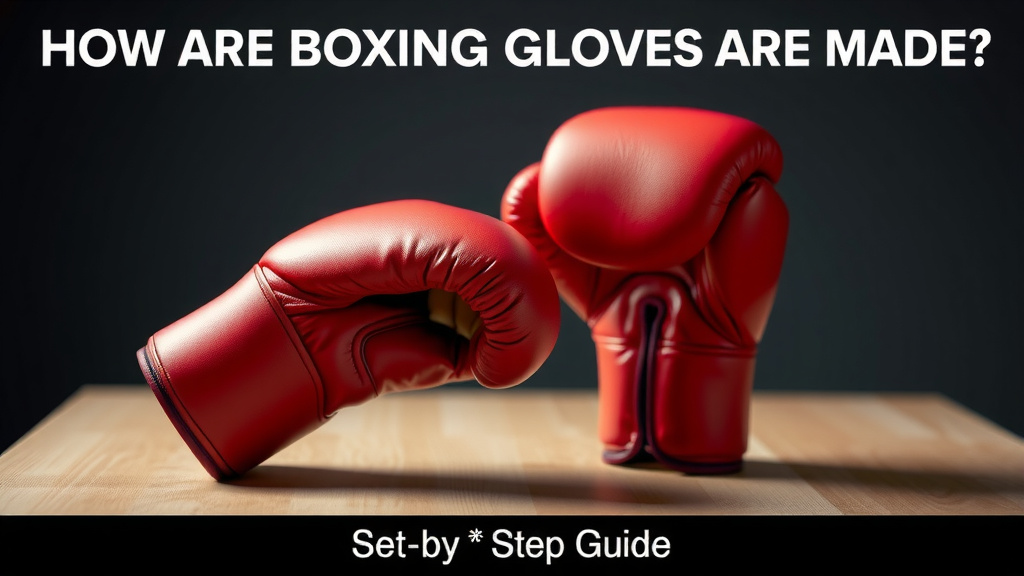
How Boxing Gloves Are Made: A Step-by-Step Guide
Boxing gloves are made by layering several key materials together. You’ll find a tough outer shell, typically leather or synthetic, protecting a padded interior. This padding is usually made of dense foam or horsehair. The goal is to create a glove that offers both protection for the fighter’s hands and safety for their opponent. Getting this balance right is how boxing gloves are made effectively.
The manufacturing process involves careful cutting, stitching, and assembly. Think of it like tailoring for athletes. Skilled workers meticulously craft each glove. This ensures durability and consistent padding. It’s a process that has evolved over time, focusing on performance and safety standards for competitive boxing. For competitive boxing, understanding the difference between boxing gloves vs training gloves is important.
- Boxing gloves combine a tough outer layer with soft, protective padding.
- Common materials include leather or synthetic outer shells.
- Foam or horsehair is often used for the inner padding.
- Skilled craftsmanship is essential for durability and safety.
- The making process balances fighter hand protection with opponent safety.
We found that understanding the construction helps appreciate the sport. Let’s walk through the typical steps involved in how boxing gloves are made, from raw materials to the finished product.
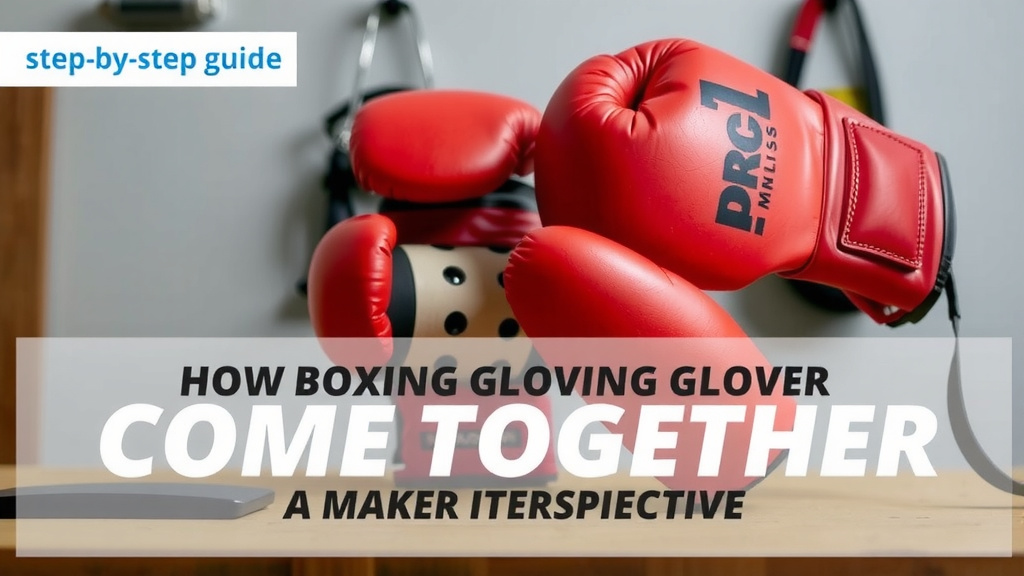
How Boxing Gloves Come Together: A Maker’s Perspective
Ever wondered what goes into a boxing glove? It’s more than just leather and padding. We found that understanding the construction really makes you appreciate the craftsmanship. It’s a process that balances tough protection with crucial safety. Let’s break down how these essential pieces of fight gear are actually made.
The Core Components: What’s Inside?
At its heart, a boxing glove is built for two main jobs. First, it needs to protect the boxer’s hands. Think of all the force hitting a heavy bag or an opponent’s head. Second, it must safeguard the opponent from serious harm. This means the glove has to absorb and distribute impact effectively.
Outer Shell Materials: Toughness and Durability
The first layer you see is the outer shell. For serious boxers, genuine leather is often the top choice. It’s incredibly durable and holds up well to repeated abuse. We found that higher-quality leather offers better longevity. Cheaper gloves might use synthetic leather, often called vinyl or PU leather. While it looks similar, it generally won’t last as long. For amateur or recreational use, synthetics can be a good starting point.
The Padding: Shock Absorption is Key
This is where the magic happens for impact. Inside the shell is the padding. Historically, horsehair was a common choice. It’s dense and molds well to the hand. However, it can become compressed over time. Many modern gloves use foam padding. We found that manufacturers use various types and densities of foam. Some use a single block of foam. Others use multiple layers of different foams. This layered approach helps control how the impact energy is absorbed and dispersed. The goal is to create a glove that feels firm enough for power but soft enough for safety.
Lining and Interior: Comfort Matters Too
Don’t forget the inside! A good glove needs a comfortable lining. This is usually a soft fabric. It helps wick away sweat. It also prevents the padding from irritating your skin. Some gloves have a special moisture-wicking lining. This keeps your hands drier during intense training sessions.
The Manufacturing Process: From Flat Material to Fist Wear
Making a boxing glove isn’t like mass-producing a t-shirt. It requires skilled hands and careful attention to detail. Many manufacturers aim for consistent quality across every pair produced.
Pattern Cutting: Shaping the Pieces
The process starts with the materials. Large rolls of leather or synthetic material are laid out. Skilled cutters use specialized patterns. These patterns are like stencils for the glove’s different parts. They meticulously cut out the pieces for the palm, backhand, thumb, and cuff. Precision here is vital for a good fit. We found that the accuracy of the cutting directly impacts the final shape and comfort of the glove.
Stitching and Assembly: Bringing It Together
Next comes the stitching. This is where the separate pieces start to form a glove. Heavy-duty sewing machines are used. Strong threads ensure the seams can withstand intense stress. The outer shell pieces are sewn together first. Then, the thumb is attached. After that, the lining is sewn in. Finally, the padding is inserted and secured. This is a critical stage. A poorly stitched seam can lead to tearing or a glove falling apart prematurely.
Adding the Padding: The Heart of the Glove
Inserting the padding requires careful placement. Whether it’s foam blocks or pre-formed shapes, they need to fit snugly. The padding is often glued or stitched into place. This ensures it doesn’t shift around. A glove where the padding moves is less effective. It also offers less protection. Many manufacturers test different padding densities for optimal shock absorption.
Finishing Touches: The Final Polish
Once assembled, gloves get their finishing touches. This can include adding branding, stitching on the wrist strap, and a final quality inspection. The wrist strap is important. It provides support and helps prevent wrist injuries. Some straps use Velcro for easy on-and-off. Others use laces for a more secure, custom fit.
Material Choices and Their Impact
The materials used play a big role in a glove’s performance and price. We found that there’s a range of options available.
| Material Type | Pros | Cons |
|---|---|---|
| Genuine Leather | Highly durable, molds well, premium feel | More expensive, requires break-in |
| Synthetic Leather (PU/Vinyl) | More affordable, often lighter, no break-in needed | Less durable than real leather, can crack or peel |
| Foam Padding | Consistent shock absorption, lighter weight | Can degrade over time, quality varies greatly by foam type |
| Horsehair Padding | Very dense, molds to hand shape, traditional feel | Can be heavier, may compress significantly with use |
Choosing the right materials is essential for manufacturers. They need to balance cost with performance. This ensures the gloves meet the needs of different types of fighters. Research and development continue to find even better materials for protection.
Quality Control: Ensuring Safety and Performance
Before any boxing glove leaves the factory, it goes through a quality check. We found that this is a non-negotiable step. Inspectors check for any stitching flaws. They ensure the padding is evenly distributed. The overall structure is examined for any weak points. This step is critical for athlete safety. A glove that fails inspection is either repaired or discarded. This commitment to quality ensures you get a reliable product.
Meeting Standards: What Rules Apply?
For competitive boxing, there are specific rules about glove design and weight. These are set by various boxing commissions and organizations. For example, a professional boxing match will have different glove requirements than an amateur bout or a kickboxing fight. Manufacturers must ensure their gloves meet these standards. This often involves careful measurement and testing. The weight of the glove, typically in ounces, is also standardized. You’ll see gloves labeled 10oz, 12oz, 14oz, 16oz, and so on. The weight of the glove, typically in ounces, is also standardized; learn more about glove weight.
A Quick Checklist for Glove Construction:
- Outer shell material is cut precisely.
- Padding is selected for shock absorption.
- Pieces are stitched together with strong thread.
- Padding is secured to prevent shifting.
- Wrist strap is attached for support.
- Final inspection ensures quality and safety.
Conclusion
You’ve learned that boxing glove construction is a blend of science and art. It carefully balances the need for hand protection with the safety of your opponent. From the durable outer shell to the shock-absorbing padding, each component plays a vital role. The skilled craftsmanship ensures these gloves can withstand the rigors of training and competition. Now that you understand what makes a good glove, you can make a more informed choice for your own boxing needs. Consider what type of training you do most when selecting your next pair.
Frequently Asked Questions
How can I tell if a boxing glove is good quality?
You can check the quality by examining the stitching for any loose threads or unevenness. Ensure the padding feels dense and evenly distributed. High-quality gloves often use genuine leather and have a well-constructed wrist strap for support.
Is horsehair padding better than foam padding in boxing gloves?
Historically, horsehair was preferred for its density, but it can compress over time. Modern foam padding offers more consistent shock absorption and is often lighter. The “better” option often depends on personal preference and the specific foam used.
Why is the wrist strap so important on a boxing glove?
The wrist strap is critical for stability and injury prevention. It helps to immobilize your wrist during impact, reducing the risk of sprains or breaks. A secure strap ensures the glove fits snugly and supports your hand effectively.
How does the material of the outer shell affect the glove’s performance?
Genuine leather offers superior durability and will mold to your hand over time, providing a better fit. Synthetic leather is more affordable but tends to wear out faster and may not offer the same level of protection or longevity.
Do different types of boxing require different glove constructions?
Yes, absolutely. Professional, amateur, and sparring gloves often have different padding densities and constructions to meet specific safety regulations and performance needs. For instance, sparring gloves typically have more padding for safety.