Baseball Glove Fit Guide: How to Find the Perfect Fit
Your baseball glove should fit snugly, like a firm handshake, not too tight and not too loose. A properly fitted glove feels like an extension of your hand, allowing for quick transfers and secure catches. You want just enough room for your fingers to comfortably reach the end of the glove’s pocket without feeling cramped. This snugness is key to controlling the ball.
Finding the right fit ensures you can react quickly on the field. It impacts your ability to scoop ground balls and snag fly balls with confidence. Many players mistakenly think a glove needs to be loose to break in, but the goal is a secure, supportive fit from the start. Your glove should feel stable on your hand.
- Snug fit is best, like a firm handshake.
- It should feel like an extension of your hand.
- Avoid gloves that are too tight or too loose.
- Comfortable finger room is important for control.
- A stable glove helps with quick plays.
Let’s walk through exactly how to check if your baseball glove fits like a dream, and what to do if it doesn’t quite feel right.
So, you’ve got a new glove, or maybe you’re just realizing your current one feels a bit off. We’ve all been there! A glove that fits perfectly makes a world of difference on the field. It’s the difference between a sure out and a bobbled ball. Let’s dive into exactly how your baseball glove should feel and what to look for.
Getting the Right Glove Fit for Your Hand
The goal is a glove that feels like a natural extension of your hand. It should be snug, providing a secure feel without any excess wiggle room.
The Finger Test: How Deep Should Your Fingers Go?
Your fingers should reach the end of the glove’s finger stalls. They shouldn’t be crammed, but they also shouldn’t have tons of extra space. Imagine sliding your hand in; your fingertips should lightly touch the leather. If they’re jammed against the end, it’s too small. If there’s a huge gap, it might be too big.
For most players, you want your fingers to go in comfortably. This allows for proper **glove control** and feel. Some players prefer a bit more space in the finger stalls, but research suggests that too much room can hinder your ability to close the glove quickly (National Baseball Institute).
Thumb Position: Where Should Your Thumb Land?
Your thumb should fit snugly into its stall. It should be able to move freely but feel supported. When you close your hand inside the glove, your thumb should naturally meet the base of your index finger. This connection is vital for **closing the glove** on a ball.
If your thumb feels squished or has way too much room, it’s a sign the glove might not be the right size or shape for your hand. A properly positioned thumb is key to making those quick transfers from glove to throwing hand.
Checking the Pocket and Overall Feel
The pocket is where the magic happens – it’s where the ball lands. Its depth and how it interacts with your hand are super important.
The Pocket Depth: Not Too Deep, Not Too Shallow
When you place a baseball in the pocket, it should sit comfortably. It shouldn’t immediately fall out when you tip the glove. However, you don’t want a pocket that’s so deep it swallows the ball and makes it hard to retrieve. Many experienced players prefer a medium depth pocket.
Think about your playing style. If you’re constantly scooping ground balls, a slightly deeper pocket might help cradle the ball. For outfielders catching fly balls, a pocket that allows for a quick transition is often preferred. We found that most players benefit from a pocket that is **easy to close** around the ball.
Closing the Glove: Can You Make the “Clap”?
Here’s a simple test: put the glove on and place a ball in the pocket. Try to close the glove around the ball using your thumb and index finger. Can you get a good, firm closure? It shouldn’t feel like you’re wrestling a bear, but it also shouldn’t feel effortless if the glove is too loose.
You want to feel like you can **secure the ball** with relative ease. If you’re straining to close it, the glove might be too stiff, too small, or not broken in properly. If it closes without much effort, you might have too much space or a glove that’s too large.
What About Glove Size and Player Position?
Glove size isn’t just about how big your hand is; it’s also about where you play on the field. Different positions require different glove characteristics.
Infield vs. Outfield Gloves
Infielders often prefer smaller gloves. This helps with quick transfers from glove to throwing hand. Smaller gloves typically have shallower pockets, making it easier to get the ball out fast. We found that infielders often choose gloves between 11 and 11.75 inches.
Outfielders, on the other hand, usually opt for larger gloves. These offer a bigger catching surface for fly balls and deeper pockets to help secure the ball. Outfield gloves commonly range from 12 to 13 inches. Pitchers might use gloves with closed webbing to hide their grip on the ball.
Youth vs. Adult Gloves
Youth gloves are designed with smaller hands in mind. They often have softer leather and are easier to close. Adult gloves, especially for serious players, tend to be made of tougher leather that requires more break-in time but offers better durability and feel. Research from youth sports organizations suggests that properly sized equipment is critical for developing players (Little League International). Youth gloves are designed with smaller hands in mind. Our guide to the best baseball glove for recreational use offers great options for casual play.
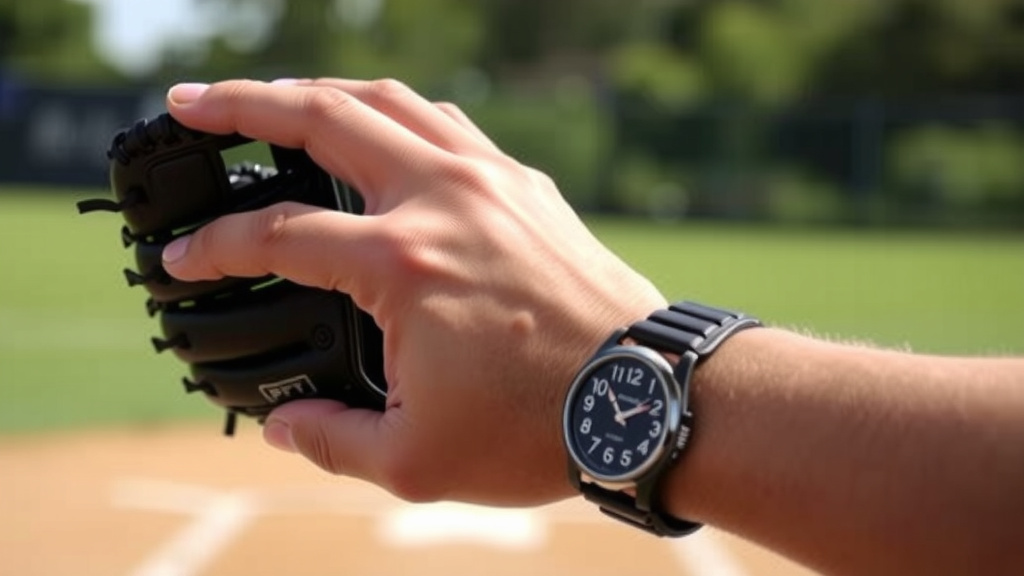
The Checklist: Your Quick Glove Fit Guide
Here’s a handy checklist to make sure your glove is fitting just right:
- Fingers reach the end: Your fingertips should touch the end of the finger stalls.
- Snug thumb stall: Your thumb should feel supported but not cramped.
- Ball sits well: A ball should rest comfortably in the pocket without falling out.
- Easy to close: You should be able to close the glove around a ball with reasonable effort.
- No major gaps: There shouldn’t be excessive empty space around your hand.
- Stable on hand: The glove shouldn’t shift or slide when you move your hand.
Common Glove Fit Mistakes to Avoid
Many players make a few common errors when choosing or fitting a glove. Let’s make sure you don’t fall into these traps.
The “Too Big” Trap
Some people think a bigger glove is always better, especially for younger players. But a glove that’s too big is hard to control. You’ll struggle to close it properly, and the ball might bounce out. We found that a glove that is too large can actually hinder performance, not help it.
The “Too Tight” Frown
On the flip side, a glove that’s painfully tight is no good either. Your fingers will get tired quickly. You’ll lose feel for the ball. While a glove should be snug, it shouldn’t cause numbness or discomfort. Your hand should be able to wiggle its fingers a bit inside the stalls.
Ignoring the “Feel”
Ultimately, your glove needs to feel right. Trust your instincts. If it feels awkward, clunky, or just plain wrong, it probably is. A great glove feels like a part of you, ready for action. Experts agree that **player comfort and feel** are often the best indicators of a good fit (American Baseball Coaches Association).
Conclusion
Getting the right glove fit is essential for your performance and comfort on the field. Remember, your glove should feel like a natural extension of your hand – snug, supportive, and secure. It’s not just about size; it’s about how the glove feels and functions when you move. Avoid common mistakes like choosing a glove that’s too big or too tight, as both can hinder your play. The best glove fits your hand, allows for quick transfers, and helps you make every play with confidence. Now that you know what to look for, take the time to find that perfect glove that will help you excel.
Frequently Asked Questions
How much room should my fingers have in a baseball glove?
Your fingertips should lightly touch the end of the glove’s finger stalls. There shouldn’t be a large gap, but your fingers also shouldn’t feel crammed. This allows for good control without discomfort.
Can I use a glove that feels a little loose if I plan to break it in?
While gloves do break in, starting with a glove that is too loose is generally not recommended. A snug fit from the start provides better control and support, which is key for making plays.
Does glove fit differ for youth players compared to adults?
Yes, youth gloves are typically made for smaller hands and often use softer materials for easier closing. Adult gloves can be made of tougher leather requiring more break-in but offer better durability and feel for experienced players.
Should I choose a glove based on my position?
Absolutely. Infielders often prefer smaller gloves for quick transfers, while outfielders usually need larger gloves for a bigger catching surface. Pitchers might use gloves with specific webbing to hide their grip.
What’s the most important sign that a glove fits correctly?
The best indicator is how the glove feels on your hand. It should feel stable, allow you to close it around a ball with reasonable effort, and feel like a natural part of your hand without shifting around.