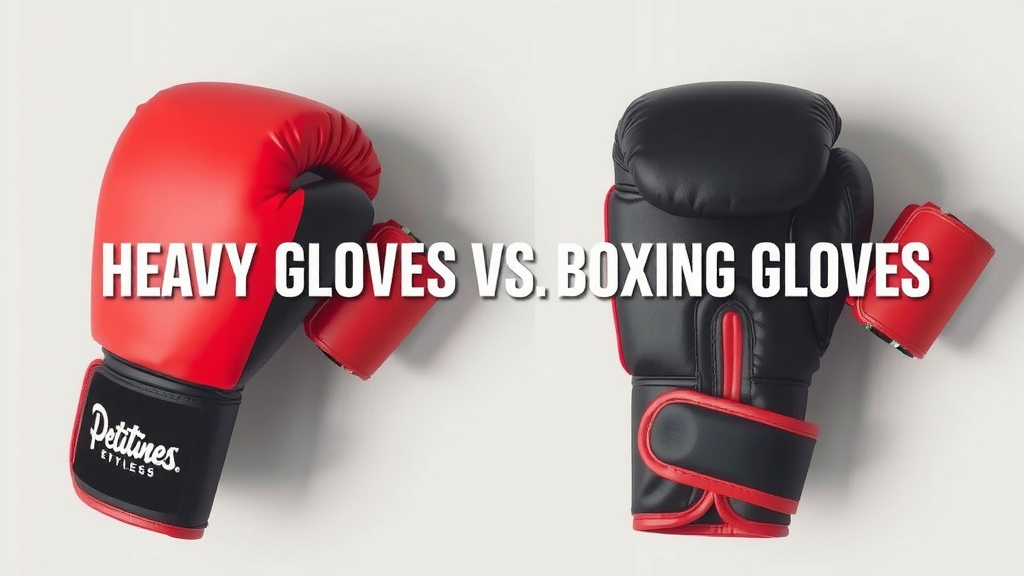
Heavy Bag Gloves vs Boxing Gloves: What’s the Difference
When hitting the heavy bag, you’ll want heavy bag gloves. They offer more padding to protect your hands from hard impacts. Boxing gloves are typically thinner and designed for sparring. They allow for more control and less power to keep partners safe. For serious bag work, choose gloves made for the job.
Understanding the difference helps you avoid hand injuries. Heavy bag gloves are your best friend for training sessions. They provide the cushioning needed for repeated strikes. Using the wrong gloves can lead to aches and pains. We found that picking the right glove means better training.
- Heavy bag gloves protect your hands on the bag.
- Boxing gloves are lighter for sparring.
- Use heavy bag gloves for power and protection.
- Use boxing gloves for sparring and control.
- Your hands will thank you!
Let’s break down exactly why these gloves are so different and what that means for your workouts.
“`htmlHeavy Bag Gloves vs. Boxing Gloves: What’s the Real Difference?
So, you’re stepping up your training game and wondering about the best gloves for hitting the heavy bag. It’s a great question! Many people think all gloves are the same, but they really aren’t. Understanding the distinct roles of heavy bag gloves and boxing gloves can make a big difference in your training and, more importantly, in protecting your hands.
We found that the core difference comes down to their primary purpose. Heavy bag gloves are built for punishment, offering maximum protection for you. Boxing gloves, on the other hand, are designed for sparring, where safety for both participants is key. Let’s break down why this matters.
Understanding the Padding: More is Often Better for Bag Work
When you’re pounding away at a heavy bag, your hands take a serious beating. A lot of force travels up your arms with every punch. This is where padding becomes your best friend. Heavy bag gloves typically feature thicker, denser padding than boxing gloves.
This extra cushioning acts like a shock absorber. It helps to disperse the impact more evenly across your hand and knuckles. Many experts suggest this can help prevent bruising and micro-fractures from repeated, forceful blows (National Institutes of Health).
Padding Density and Hand Protection
Think of it like this: when you hit a wall, it stings, right? Now imagine hitting a thick pillow. The pillow absorbs much of the force. Heavy bag gloves aim to be that pillow for your hands against the tough surface of a heavy bag.
We found that gloves specifically designed for heavy bags often have this dense padding strategically placed over the knuckles. This is the area that takes the brunt of the force. This focus on protection is what sets them apart.
Padding in Boxing Gloves: A Different Goal
Boxing gloves, especially those used in sparring, have padding too. However, this padding is often lighter and softer. Why? Because the goal is to reduce the risk of injury to your sparring partner. They are designed to lessen the knockout power, not absorb maximum impact from a stationary object.
Many coaching guidelines for sparring emphasize using gloves that offer protection for both fighters. If your boxing gloves are too thin, you risk hurting your training partner. If they are too padded, you might not get the feel for landing a punch precisely.
Glove Design: What Else Sets Them Apart?
Beyond the padding, the overall design of each glove type plays a role in their function. You’ll notice differences in the wrist support, the fit, and even the material used.
Wrist Support: Stability Matters
Your wrists are vulnerable, especially when throwing powerful punches. Heavy bag gloves often come with excellent wrist support. This can be through wider wrist straps or more structured designs.
This support helps to keep your wrist in a neutral position, reducing the chance of hyperextension. We found that during intense bag work, a stable wrist is key to maintaining form and preventing strains. Good wrist support is a major plus for repetitive striking.
Boxing gloves also offer wrist support, but it might feel a bit different. The focus here is often on allowing for a full range of motion while still preventing excessive bending. It’s a balance between control and protection for dynamic movements.
Fit and Feel: Training vs. Competition
When you put on heavy bag gloves, they often feel more like a padded mitt. The fit is usually snug but offers a lot of room for your hand to feel secure within the padding. You might feel less of the direct sensation of hitting the bag.
Boxing gloves, especially those used for sparring, can feel a bit more compact. They are designed to allow for a more natural feeling of your fist. This helps boxers develop proper technique and control when delivering punches to an opponent.
Weight Considerations: What Does Ounce Mean?
You’ll often hear gloves discussed in terms of ounces (oz). This refers to the total weight of the glove, which directly relates to the amount of padding. For heavy bag work, you’ll typically see gloves in the 10oz to 16oz range, with heavier being more protective.
| Glove Type | Typical Weight Range (oz) | Primary Use | Key Feature |
|---|---|---|---|
| Heavy Bag Gloves | 10-16 oz | Heavy Bag Training | Maximum padding for impact absorption |
| Boxing Gloves (Sparring) | 14-16 oz (amateur) or 16-20 oz (professional) | Sparring with partners | Balanced padding for safety of both fighters |
| Boxing Gloves (Training/All-purpose) | 10-16 oz | General training, mitt work, light bag work | Versatile padding and wrist support |
For general bag work, 12oz or 14oz gloves are a popular choice. If you’re hitting the bag with extreme power, you might lean towards 16oz for that extra layer of safety. Lighter gloves (like 10oz) are sometimes used for speed bag work or very light pad work, but they offer less protection for heavy striking.
Sparring gloves are generally heavier, often starting at 14oz and going up to 20oz for professional bouts. This confirms their purpose: protecting both the wearer and their opponent.

When to Choose Which Glove
Making the right choice ensures you get the most out of your training and keep your hands healthy. It’s really about matching the glove to the task at hand.
Heavy Bag Gloves: Your Go-To for Power
If your primary goal is to work the heavy bag, develop power, and practice your striking technique without holding back, heavy bag gloves are your best bet. They are engineered for this specific purpose. You’ll likely find them to be more durable for bag work too, as they are built to withstand constant abrasion.
Boxing Gloves: For Sparring and Skill Work
Boxing gloves are your choice when you’re sparring with a partner or working with a coach on focus mitts. They offer the right balance of protection and feel for these situations. If you’re just starting out and doing a bit of everything, a good pair of all-around training gloves (often labeled simply as “boxing gloves”) can be a good compromise.
Why Using the Wrong Glove Can Be a Problem
Imagine trying to hammer a nail with a screwdriver. It’s not going to work well, and you might even damage the screwdriver or hurt yourself. Using boxing gloves on a heavy bag can lead to hand injuries over time because they lack sufficient padding. Conversely, using heavy bag gloves for sparring is generally frowned upon because they can be too hard and increase the risk of injury to your partner.
Quick Checklist for Choosing Your Gloves
To sum it up, here’s what to keep in mind:
- Primary Activity: Heavy bag work? Get heavy bag gloves. Sparring? Use boxing gloves.
- Padding Level: More padding means more protection for bag work.
- Wrist Support: Look for good, sturdy wrist support for both types.
- Weight (oz): Heavier often means more padding.
- Hand Health: Protect your hands! Use the right glove for the job.
- Your Comfort: Whichever you choose, ensure they fit well.
We found that investing in the correct gear makes training more enjoyable and, most importantly, keeps you in the gym longer by preventing injuries.
“`Conclusion
You’ve learned the critical differences between heavy bag gloves and boxing gloves. Remember, your hands are your most important tools in boxing training. Heavy bag gloves offer the robust padding you need for punishing bag work, protecting your knuckles and wrists from impact. Boxing gloves, while padded, are designed for sparring, prioritizing safety for both you and your training partner.
Choosing the right glove for the right job is non-negotiable. It means better performance, fewer injuries, and longer, more productive training sessions. So, make the smart choice for your hands and invest in the gloves that match your training goals.
Frequently Asked Questions
Can I use my boxing gloves for heavy bag workouts?
While you can technically use boxing gloves on a heavy bag, we recommend against it for regular, hard training. Boxing gloves often have less padding and are designed for sparring safety, not absorbing maximum impact. This can lead to hand injuries over time.
How do I know if my gloves have enough padding for bag work?
Heavy bag gloves generally feel bulkier and offer a more cushioned impact. We found that if you feel excessive impact or vibration traveling up your arm after hitting the bag, your gloves likely don’t have enough padding. Look for gloves specifically labeled for heavy bag training.
What is the best weight (oz) for heavy bag gloves?
For dedicated heavy bag work, gloves between 12oz and 16oz are typically recommended. Heavier gloves offer more padding and protection, which is ideal for absorbing the force of consistent, powerful strikes on the bag.
Are there gloves that work well for both sparring and heavy bag training?
Some “all-around” or “training” boxing gloves can serve as a compromise. These are usually in the 14oz to 16oz range and offer a balance of padding for moderate bag work and safety for light sparring. However, for intense bag sessions or serious sparring, dedicated gloves are always best.
How important is wrist support in gloves?
Wrist support is vital for both heavy bag gloves and boxing gloves. Strong wrist support helps prevent hyperextension and keeps your wrist in a stable position during impact. We found that gloves with wider straps or a more structured design generally offer better stability.