How to Wear a Golf Glove for Better Grip
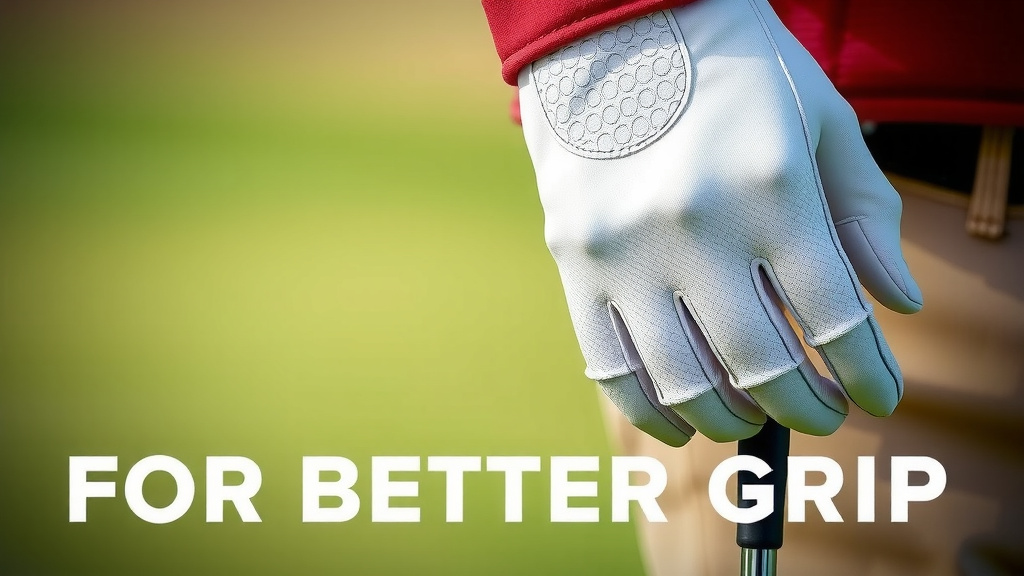
Wearing a golf glove correctly is all about creating a secure and comfortable grip for your club. You should aim for a glove that feels snug, like a second skin, without being too tight. It’s important to ensure the velcro strap is fastened firmly but not to the point of restricting blood flow. A properly fitted glove helps you avoid slippage.
Getting your glove on right makes a big difference in your swing. Many golfers overlook the small details, but they can lead to a more consistent performance. We found that the type of glove you choose also plays a role. Understanding how to wear it means better control and less worry about dropping your club when you need it most. It’s a simple step that leads to greater confidence on the course.
- Wear your glove snug, like a second skin.
- Fasten the strap firmly but comfortably.
- Ensure it doesn’t restrict blood flow.
- A proper fit prevents slippage.
- It boosts your confidence and control.
Let’s walk through exactly how to put on your golf glove to get the best feel and performance, step by step.
Getting Your Golf Glove Fit Right
So, you’ve got your glove, and you’re ready to hit the course. But how do you know if you’re wearing it correctly? A good glove fit is key to a consistent golf swing. We’ve found that many golfers aren’t quite sure about the perfect snugness. It’s more than just putting it on; it’s about making it work for you. Let’s break down how to get that ideal feel.
The First Step: Choosing the Right Glove
Before you even think about wearing it, make sure you have the right glove. Gloves come in different materials, like leather, synthetic, or a mix. Leather gloves often offer the best feel and grip. They tend to stretch a bit to your hand’s shape. Synthetic gloves are usually more durable and work well in wet conditions.
We’ve seen that a proper fit starts with understanding your hand size. Measure your hand from the tip of your middle finger to the base of your palm. Then, measure the width of your palm. This will help you choose between sizes like Cadet or Standard, and Small, Medium, Large, or Extra Large. Many glove manufacturers provide sizing charts on their websites. Getting this measurement right means a A proper fit starts with understanding your hand size, which is crucial for choosing between cadet and standard sizes.much better experience on the course.
Putting on Your Glove: A Step-by-Step Guide
Wearing a golf glove correctly ensures you have a solid connection to the club. This helps prevent your hands from slipping, especially when it’s hot and humid. We found that most golfers put their glove on their non-dominant hand. For right-handed golfers, this is typically the left hand. Left-handed golfers will wear it on their right hand. This hand is responsible for controlling the clubface throughout your swing.
1. Loosen the Closure
Start by fully loosening the velcro strap. You want to give yourself plenty of room. This makes it easier to slide your hand in without forcing it. A glove that’s too tight can actually reduce your control. It can also make your hands sweat more, which is the opposite of what you want.
2. Insert Your Fingers
Gently slide your fingers into the glove. Make sure each finger is fully seated in its respective slot. Don’t rush this step. You’re looking for a glove that feels snug around your fingers. It shouldn’t feel like there’s any extra material bunching up at the fingertips. This means your glove is the correct length.
3. Seat Your Palm
Next, press the heel of your palm firmly into the base of the glove. This action helps the glove mold to the contours of your hand. You should feel the material stretching slightly, but not uncomfortably so. It should feel like a natural extension of your hand.
4. Fasten the Strap
Now, it’s time to secure the strap. Bring the velcro tab across your wrist. Fasten it so it’s firm, but not so tight that it cuts off circulation. You should be able to slide a finger between the strap and your wrist. If you can’t, it’s likely too tight. This firm, but comfortable, fit is essential for grip security.
What a Proper Fit Feels Like
We’ve found that a well-fitted golf glove feels like a second skin. Your knuckles should not be pressing against the top of the glove. There should be no excess material at the fingertips. When you make a fist, the glove should crease naturally without feeling strained. It should offer a comfortable, secure grip on the club.
Consider your grip pressure. Some golfers naturally have a tighter grip. A glove that fits well can actually help you relax your hands. This can lead to a more fluid and powerful swing. We’ve heard from many players who say a good glove fit improved their feel for the club. It’s about that perfect balance of comfort and control.
Common Mistakes to Avoid
One of the most common mistakes is wearing a glove that’s too big. This can lead to slippage and loss of control during your swing. Another error is making the strap too tight. While you want a secure fit, restricting blood flow will cause your hand to cramp up. This is counterproductive to a good golf game.
We also found that some golfers don’t replace their gloves often enough. A worn-out glove loses its grip and feel. The material can become stretched and lose its shape. Experts suggest replacing your glove when you see signs of wear, like thinning leather or stretched-out seams (Golfsmith). It’s a small investment for a big improvement in your game.
Materials Matter for Your Grip
The material of your glove plays a big role in how it feels and performs. Leather is a popular choice for a reason. It offers superior feel and conforms to your hand over time. For those playing in wet conditions, a hybrid glove with synthetic palms can be a great option. These materials often provide a more consistent grip when damp.
We’ve researched that synthetic materials are engineered for durability and performance in various weather. They might not offer the same “broken-in” feel as leather, but they are often more forgiving when wet. Some gloves even combine materials to give you the best of both worlds. Knowing the properties of each material helps you choose the best glove for your needs.
Checking Your Glove During Play
It’s a good idea to check your glove’s fit periodically during your round. Are your fingers feeling cramped? Is the strap still snug but comfortable? Have your hands started to sweat excessively? Making small adjustments can ensure your glove continues to perform optimally throughout your game. Think of it as a quick tune-up for your grip.
Glove Checklist for the Perfect Fit
- Fingertips should reach the end of the glove without bunching.
- The glove should feel snug across your palm and fingers.
- The strap should fasten securely without being too tight.
- You should be able to make a fist comfortably.
- No excess material should be present on the palm or back of the hand.
- The glove should not restrict your blood flow.

Conclusion
You’ve learned that the right golf glove fit is more than just a detail; it’s a performance booster. A glove that feels like a second skin provides the control and confidence you need on every shot. Remember to focus on a snug feel without tightness and check the strap for comfort. Don’t forget that materials and regular replacement also play a role in your game. Take a moment before your next round to ensure your glove fits perfectly, and you’ll feel the difference in your swing.
Frequently Asked Questions
How do I know if my golf glove is too tight?
If you feel any restriction in blood flow or your fingers start to feel numb, your glove is likely too tight. You should be able to slide a finger between the strap and your wrist comfortably. A glove that’s too tight can actually hurt your grip and swing.
Can I wear a golf glove on both hands?
Most golfers only wear a glove on their non-dominant hand for grip control. However, some players choose to wear gloves on both hands for added comfort and protection, especially in wet or cold conditions. It’s a personal preference that won’t significantly impact your game.
How often should I replace my golf glove?
You should replace your golf glove when you notice signs of wear, such as thinning material, stretched seams, or a loss of grip. For most players, this means replacing it every 10-20 rounds, depending on frequency and conditions. A worn-out glove can negatively affect your swing.
What’s the difference between leather and synthetic golf gloves?
Leather gloves generally offer a superior feel and conform to your hand over time, providing a personalized fit. Synthetic gloves are typically more durable, offer consistent grip in wet conditions, and are often more affordable. Many golfers choose based on feel and playing environment.
My glove feels a little loose after a few swings, what should I do?
If your glove starts to feel loose during play, try refastening the velcro strap a bit more snugly. If it continues to loosen, it might be a sign that the glove is stretching out. You may need to consider a new glove if the looseness is persistent and affecting your grip.