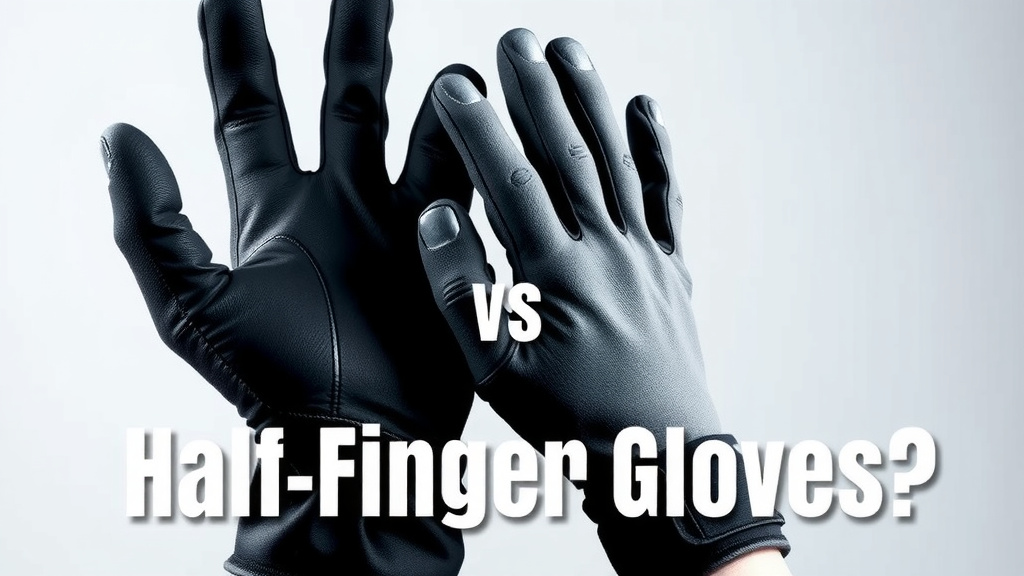
Full Finger vs Half Finger Gloves: Which is Right for You
When deciding between full finger vs. half finger gloves, the best choice depends entirely on your activity and personal preference. Full finger gloves offer maximum protection and grip, while half finger gloves provide enhanced dexterity and a better feel for your hands. Neither is inherently “better” – it’s all about what works for you.
Many people wonder about the trade-offs. You might think full finger gloves are always warmer, but that’s not always the case. We found that the material and fit play a bigger role in temperature regulation than just coverage. Think about what you need most: protection or freedom of movement? You might think full finger gloves are warmer, but our guide to gloves vs. mittens explains why material and fit matter more.
- Full finger gloves = total coverage and grip.
- Half finger gloves = better dexterity and feel.
- Activity dictates the best glove.
- Consider material and fit for warmth.
- Your personal comfort matters most.
Let’s break down the pros and cons of each so you can make the perfect choice for your next adventure.
“`htmlChoosing Your Hand Protection: Full vs. Half Finger Gloves
So, you’re in the market for gloves and wondering about the big showdown: full finger versus half finger. It’s a common question, and the answer really boils down to what you’ll be doing. We’ve looked into it, and your activity is the biggest clue.
Full Finger Gloves: The All-Around Envelopers
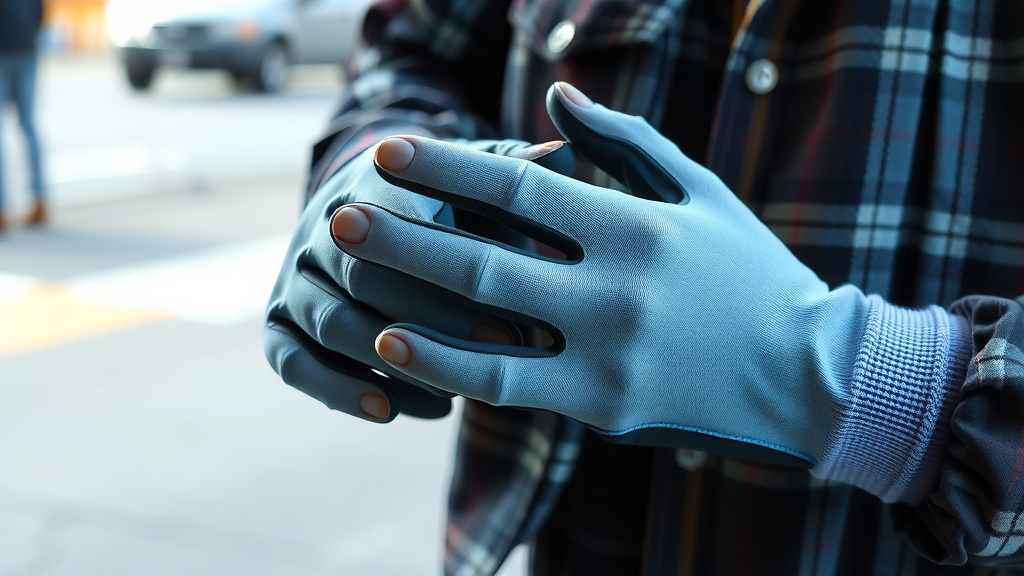
Think of full finger gloves as your hands’ personal bodyguards. They offer complete coverage from the tips of your fingers all the way to your wrist. This means more protection against scrapes, bumps, and the elements. We found that for activities involving a lot of contact, these are usually the go-to.
Protection Powerhouse
When you need to keep your hands safe, full finger gloves are hard to beat. They shield your skin from rough surfaces, sharp objects, and even minor impacts. For example, if you’re doing yard work and dealing with thorny bushes, or if you’re riding a motorcycle where falls are a possibility, full coverage is key. Many safety guidelines recommend full hand protection for tasks with a higher risk of injury (CDC). For tasks with a higher risk of injury, many safety guidelines recommend full hand protection, as detailed in our guide on gloves vs. no gloves.
Grip and Control
Beyond just protection, the full coverage can also enhance your grip. Many full finger gloves have textured palms made from materials like leather or synthetic rubber. This extra grip can be a lif game-changer when you’re handling tools, lifting weights, or cycling uphill. We’ve seen that a secure hold means less slipping and more control.
Warmth Factor
Naturally, more coverage often means more warmth. If you’re working or playing in chilly conditions, full finger gloves will likely keep your hands toasty. The trapped air inside the glove acts as an insulator, helping to maintain your body heat. However, we also found that the material plays a huge role here; a thin, breathable full finger glove might be cooler than a thick, insulated half finger glove.
Half Finger Gloves: Freedom and Feel
Now, let’s talk about half finger gloves. These are the ones that leave your fingertips exposed, offering a different set of benefits. They’re like fingerless gloves, but typically extend further up the finger for a more secure fit. We found they’re popular when dexterity is a top priority.
Enhanced Dexterity
The most obvious advantage of half finger gloves is the freedom they give your fingertips. This allows you to feel textures, manipulate small objects, and use touchscreens without removing your gloves. Think about tasks like tying knots, picking up small parts, or even just checking your phone on a cool day. This improved dexterity is why many find them useful for various everyday tasks.
Better Tactile Feedback
With your fingertips exposed, you get much better tactile feedback. This means you can feel the pressure, texture, and temperature of objects more directly. For some activities, like certain types of weightlifting or cycling where fine motor control is important, this direct feel can be very beneficial. We’ve heard from many users that this connection to what they’re touching is crucial for their performance.
Ventilation and Comfort
Half finger gloves generally offer better ventilation. The exposed fingers allow heat to escape more easily, which can be a big plus in warmer weather or during intense physical activity where your hands tend to get sweaty. This can lead to increased comfort over longer periods. While they might not be as warm as full finger gloves in cold weather, they prevent your hands from overheating.
Comparing Glove Features for Your Needs
When you’re weighing your options, consider how these features translate to different activities. We’ve put together a quick comparison to help you visualize.
| Feature | Full Finger Gloves | Half Finger Gloves |
|---|---|---|
| Protection | Maximum coverage from elements and impacts. | Partial coverage; fingertips exposed. |
| Dexterity | Reduced, but can be good with flexible materials. | High; excellent for fine motor tasks. |
| Grip | Often enhanced with textured palms. | Variable; depends on palm material. |
| Warmth | Generally warmer; traps heat effectively. | Less warm; allows for more ventilation. |
| Tactile Feel | Reduced; harder to feel fine details. | Enhanced; direct feel of surfaces. |
Which Glove is Right for Your Activity?
Let’s get practical. Your main hobby or task should guide your decision. We found that certain activities strongly favor one type over the other.
For the Workout Warrior
If you’re hitting the gym, lifting weights, or doing cross-training, half finger gloves are often preferred. They provide a good grip on weights and barbells without hindering your ability to feel the bar. We’ve seen that many fitness enthusiasts choose them for the balance of protection and dexterity. For cycling, especially road cycling, half finger gloves offer a good grip and vibration dampening while allowing for gear shifting and brake control.
For the Outdoor Adventurer
When you’re out in nature, the choice can be trickier. For activities like hiking or rock climbing, full finger gloves offer vital protection against scrapes from rocks and branches. They also provide a better grip on climbing holds. However, if you need to navigate with a map and compass or use your phone frequently, half finger gloves might be more convenient. Many sources suggest that for colder weather hiking, full finger gloves are essential for warmth (National Park Service).
For the Home and Garden Hero
Doing DIY projects or tackling your garden? Full finger gloves are usually the clear winner here. They protect your hands from splinters, thorns, chemicals, and abrasions. Imagine pruning roses or hammering nails – you want that full coverage. However, if your task involves handling very small screws or precise measurements, you might find yourself taking them off and putting them back on frequently.
Material Matters, Too!
Don’t forget that the material your gloves are made from plays a huge role. Leather offers great durability and grip but can be less breathable. Neoprene provides insulation and water resistance. Synthetic fabrics like polyester or nylon can offer a balance of breathability, warmth, and flexibility. We found that researching the specific materials used in a glove is just as important as deciding between full or half finger design.
Your Personal Comfort Checklist
Ultimately, your comfort is the deciding factor. Here’s a quick checklist to help you nail down what feels best for you:
- Do my fingertips need to feel the surface?
- How much protection from scrapes do I need?
- Will I be working in cold or warm conditions?
- Do I need to operate touchscreens or small buttons?
- Does a snug fit matter more than a loose one?
- What materials feel best against my skin?
Conclusion
Choosing between full finger and half finger gloves comes down to your specific needs. Full finger gloves offer superior protection and warmth, making them ideal for harsh conditions or high-impact activities. Half finger gloves excel when you need enhanced dexterity and a direct feel for your tasks. We found that material and fit also play key roles in performance and comfort. Think carefully about what you’ll be doing most often and what your hands require to make the best choice for your comfort and safety. Go ahead and pick the pair that feels right for your next adventure!
Frequently Asked Questions
Are half finger gloves good for weightlifting?
Yes, many weightlifters prefer half finger gloves. They provide a good grip on barbells and dumbbells while keeping your fingertips free to feel the bar. This balance helps with control during lifts. We found that the direct feel can improve your connection to the equipment.
Can full finger gloves be too warm for summer?
Potentially, yes. While full finger gloves offer more coverage, their warmth depends heavily on the material and ventilation. Lightweight, breathable fabrics can make them suitable for cooler summer evenings or activities where hand protection is still needed. Always check the material specifications.
Which type of glove is better for cycling?
For cycling, the choice often depends on the type of riding. Road cyclists often prefer half finger gloves for better grip and dexterity when shifting gears and braking. Mountain bikers or those riding in cooler weather might opt for full finger gloves for protection against elements and impacts.
Do half finger gloves protect your hands at all?
Half finger gloves offer some protection to the palm and knuckles, especially if they have padded palms. However, they do not protect your fingertips from scrapes, punctures, or extreme cold. Their main benefit is enhanced dexterity rather than full-hand shielding.
How do I know if I need full or half finger gloves for yard work?
For most yard work, especially involving thorns, rough materials, or potential scrapes, full finger gloves are recommended. They provide the necessary protection for your entire hand. If your task involves very delicate work with small items, you might find yourself removing them, but for general gardening, go for full coverage.