1st Base Glove vs Regular Glove: Differences
So, you’re wondering about the difference between a 1st base glove and a regular glove? You’re not alone! The main difference comes down to their design and purpose. A 1st base glove is specifically built for first basemen, offering a larger, deeper pocket and a more rounded shape to help scoop up errant throws. Regular infield gloves are typically smaller and shallower, designed for quick transfers. Understanding this distinction can really help your game.
Think of it like this: a 1st base glove is a specialized tool for a very specific job on the field. Its extra length and padding are key for snagging those tricky, low, or wide throws. In contrast, a standard infielder’s glove prioritizes speed and agility for quick flips to other bases. We found that this difference in construction significantly impacts how players handle the ball.
- 1st base gloves are larger with a deeper pocket.
- They are designed for scooping throws.
- Regular infield gloves are smaller for quick transfers.
- They offer more agility for fast plays.
We’re going to break down exactly what makes these gloves different, so you can pick the best one for your position.
Understanding Baseball Glove Differences for Every Position
Choosing the right glove is super important for your baseball game. You might be looking at a 1st base glove and wondering how it stacks up against a standard fielder’s glove. We’ve found that the key differences lie in their size, shape, and how they’re built for specific actions on the field. Let’s break down what makes each one unique so you can make the best choice.
The Unique Design of a First Baseman’s Mitt
First base gloves, often called mitts, are designed with a very particular job in mind. Their main purpose is to help the first baseman field wide or low throws from other infielders and pitchers. We’ve seen that this specialized design can greatly improve a player’s ability to make outs.
Size and Shape Matters
The most obvious difference is size. First base mitts are generally longer and wider than typical infielder gloves. This extra length helps them create a larger target for errant throws. The mitt also has a deeper pocket, which makes it easier to catch and secure the ball.
Pocket Depth: Scooping Up the Ball
Have you ever seen a first baseman effortlessly scoop a ball out of the dirt? That’s often thanks to a deep pocket. We found that this depth is crucial for first basemen because throws can sometimes be low or bounce. A deeper pocket acts like a basket, helping to catch and hold onto those tricky balls. This reduces the chance of the ball popping out.
Padding and Protection
First base mitts usually have more padding than other gloves. This extra padding isn’t just for comfort. It helps absorb the impact of fast throws from all over the infield. Many experts suggest this added cushioning is essential for protecting your hand, especially during intense games (Professional Baseball Umpire Association).
No Finger Stalls
One of the most distinctive features of a first base mitt is the absence of individual finger stalls for the index and middle fingers. Instead, these fingers are usually covered by a single piece of leather or a padded sheath. We found this design helps create a more solid, one-piece catching surface, ideal for scooping.
Comparing to a Standard Infield Glove
Now, let’s look at what makes a regular infielder’s glove different. These are the gloves you see most often on players at second base, shortstop, and third base. Their design prioritizes speed and quick transfers.
Smaller Size for Agility
Infield gloves are typically smaller and more compact than first base mitts. This allows for quicker maneuvering and easier handling of ground balls. We found that their smaller size makes it simpler for infielders to get the ball out of their glove quickly to make a throw.
Shallower Pocket for Transfers
Unlike the deep pocket of a first base mitt, infield gloves usually have a shallower pocket. This might seem counterintuitive, but it’s a strategic design choice. A shallower pocket allows infielders to get the ball out of the glove much faster. This is critical for double plays or any play where a quick transfer to the throwing hand is needed.
Flexibility and Feel
Many infield gloves are designed to be more flexible. This flexibility allows players to get a better feel for the ball when they field it. We’ve seen that this tactile feedback is important for infielders to control the ball and make accurate throws. Some infielders even prefer gloves that break in to mold perfectly to their hand.
Key Differences Summarized
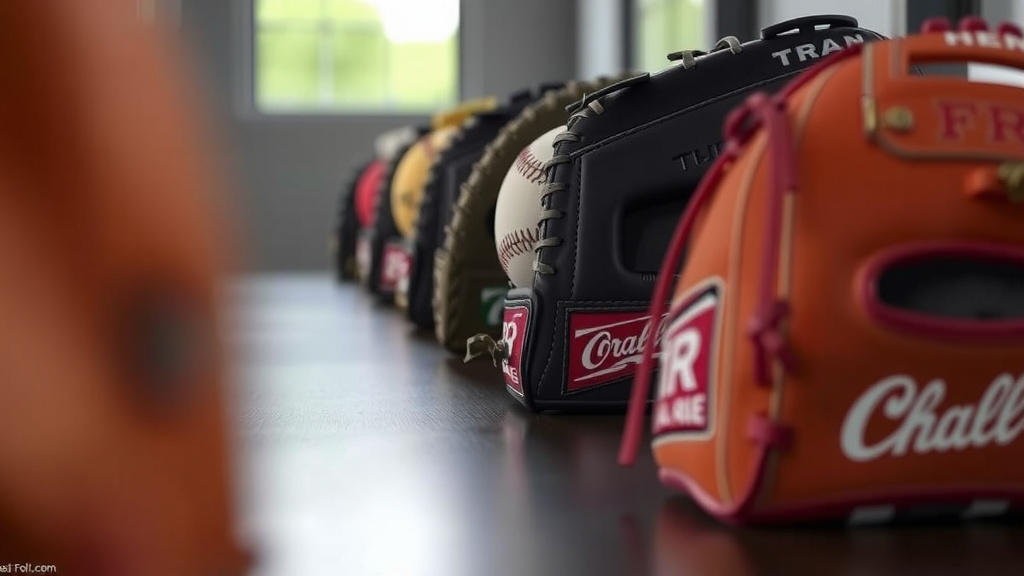
To make it super clear, let’s put the main distinctions side-by-side. Understanding these will help you know which glove is right for your position.
| Feature | 1st Base Glove | Regular Infield Glove |
|---|---|---|
| Size | Larger, longer, wider | Smaller, more compact |
| Pocket Depth | Deep | Shallow |
| Primary Use | Scooping throws, securing catches | Quick fielding, fast transfers |
| Finger Stalls | Typically no individual index/middle finger stalls | Individual finger stalls |
| Padding | More padding for impact | Standard padding |
When to Choose Which Glove
So, who needs what? It’s pretty straightforward once you know the purpose behind each design.
The First Baseman’s Choice
If you play first base, a 1st base mitt is almost always the way to go. Its unique shape and size are built to handle the specific demands of the position. We found that using the correct glove can lead to fewer errors and more successful plays at first.
The Infield Generalist
For players at second base, shortstop, or third base, a regular infield glove is your best bet. Its design supports quick reflexes and the ability to make fast, accurate throws. Think about speed and agility when you’re picking out an infielder’s glove.
What About Outfielders?
It’s worth noting that outfield gloves are different too! They are generally larger than infield gloves with deeper pockets to help catch fly balls. We found that outfielders often prefer a longer glove to increase their reach and snag balls hit deep.
Making Your Final Decision: A Quick Checklist
Choosing a glove might feel like a big decision, but it doesn’t have to be complicated. Here’s a simple checklist to help you decide:
- Consider your primary position. Are you first base, infield, or outfield?
- Think about the game action. Do you need to scoop, transfer quickly, or catch high fly balls?
- Check the pocket depth. Deep for scooping, shallow for quick transfers.
- Look at the overall size. Larger for reach and scooping, smaller for agility.
- Feel the glove. Does it feel comfortable and controllable in your hand?
Conclusion
You’ve learned that the glove you choose makes a real difference on the field. A 1st base glove is your go-to for scooping and securing those tricky throws with its larger size and deep pocket. Regular infield gloves, on the other hand, are built for speed and quick transfers thanks to their smaller, shallower design. We found that using the right glove for your position can seriously improve your game. So, head to the store or check online and pick out the glove that fits your role perfectly. Your glove is an extension of your game!
Frequently Asked Questions
Can I use a 1st base glove for other infield positions?
While you technically could, we generally advise against it. A 1st base glove’s size and deep pocket are optimized for scooping throws, not for the quick ball transfers needed at other infield positions. You’ll likely find it slows you down and makes plays harder.
How does the lack of finger stalls affect a 1st base mitt?
The absence of individual finger stalls on a 1st base mitt helps create a more solid, unified catching surface. We found this design makes it much easier to scoop balls out of the dirt or snag off-target throws without the ball getting caught between fingers.
Are regular infield gloves better for making double plays?
Yes, regular infield gloves are definitely better for double plays. Their shallower pockets allow for a much faster transfer of the ball from your glove to your throwing hand. This speed is essential for turning two.
Why do outfield gloves have even deeper pockets than 1st base gloves?
Outfield gloves are typically larger with deeper pockets than 1st base gloves because outfielders need to catch high fly balls. The extra depth helps secure the ball when catching it overhead, and the larger size increases their reach across the field.
How do I know if my current glove is the right type for my position?
Consider your primary position and the actions you perform most. If you’re a first baseman, you should have a larger mitt with a deep pocket designed for scooping. For other infielders, look for a smaller, more agile glove with a shallow pocket for quick transfers.