First Base Glove vs Catcher’s Mitt: What’s the Difference
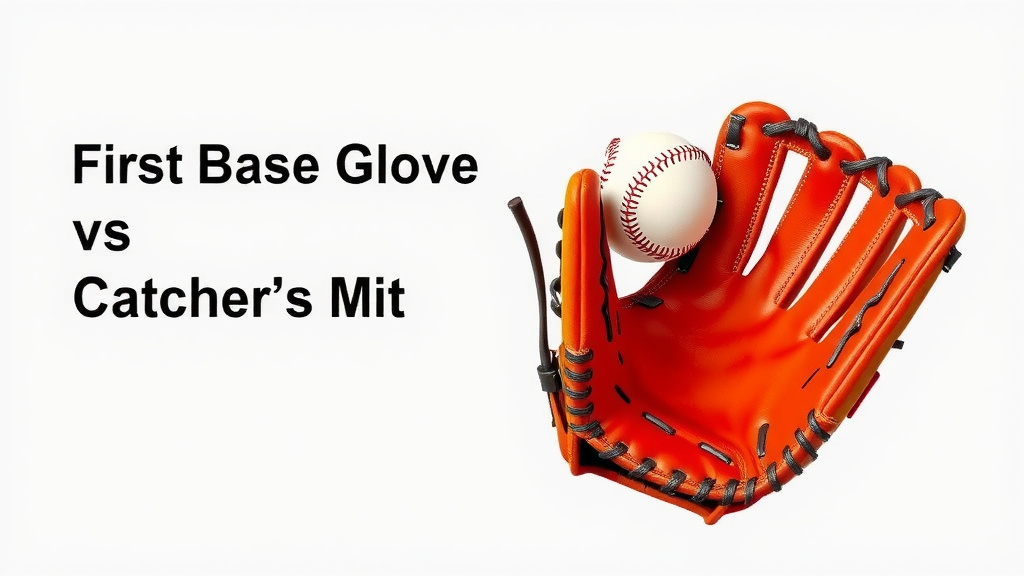
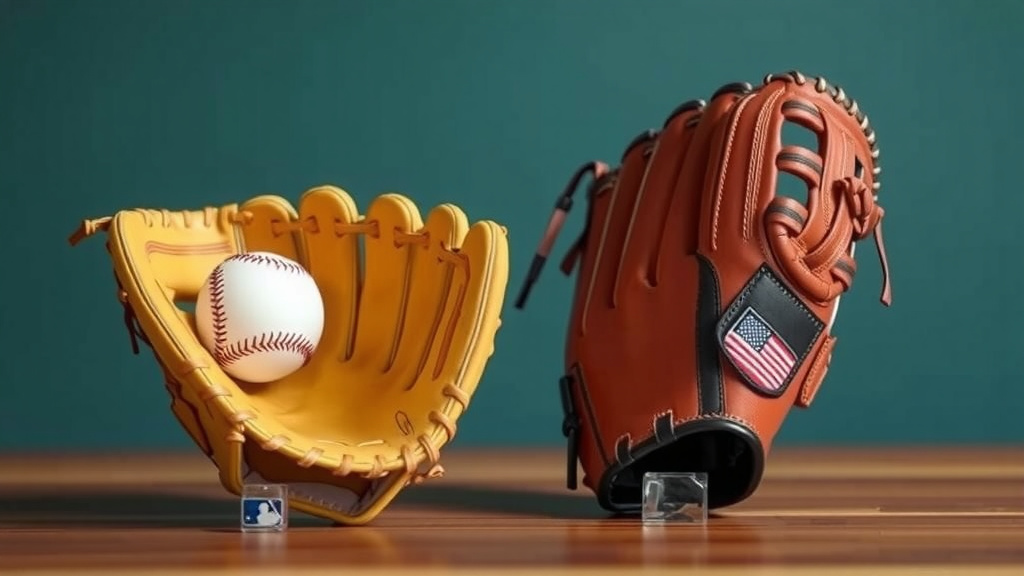
When choosing between a first base glove and a catcher’s mitt, the key difference lies in their design and purpose. A first base mitt is longer and flatter to help snag throws from infielders, while a catcher’s mitt is rounder and more padded to receive fast pitches from the pitcher. They are not interchangeable for their intended positions.
You’ll notice these gloves have very distinct shapes. The first baseman’s glove offers a larger pocket and shallower heel for scooping. The catcher’s mitt, conversely, is built for durability and shock absorption. Understanding these differences is vital for any player looking to perform their best on the field.
- First base gloves are long and flat for catching throws.
- Catcher’s mitts are round and heavily padded for receiving pitches.
- They are designed for specific defensive roles.
- Using the wrong glove can hinder performance.
Let’s break down exactly what makes each of these gloves unique and when you should be using them.
Understanding the First Base Mitt vs. Catcher’s Mitt Differences
You might be wondering about the real differences between a first base glove and a catcher’s mitt. They both look like baseball gloves, but they’re built for completely different jobs on the field. Let’s get into the nitty-gritty so you know exactly what you’re looking at.
The Unique Design of a First Base Glove
Think of the first base glove as your teammate’s best friend for snagging those speedy throws. Its primary job is to make it easier for the first baseman to catch errant or fast-paced balls tossed from other infielders. It needs to scoop balls out of the dirt and secure them quickly.
Key Features for First Basemen
What makes this glove so special? For starters, it’s longer than a typical infield glove. This extra length helps create a wider catching surface. The glove also tends to be flatter with a deeper pocket. This shape is perfect for scooping ground balls and preventing them from bouncing out. The heel of the glove is shallower than a catcher’s mitt, which aids in quickly getting the ball out to make a play.
When is a First Base Glove Used?
This glove is exclusively for the player covering first base. You’ll see it used in almost every level of baseball and softball, from youth leagues to professional games. The player at first base is constantly receiving throws, so having the right tool makes a big difference in their performance and the team’s defense.
The Purpose-Built Catcher’s Mitt
Now, let’s shift gears to the catcher’s mitt. This isn’t just any glove; it’s a superhero’s shield for the player behind home plate. Its entire existence is focused on one thing: stopping baseballs thrown at high speeds, often directly at the mitt.
Why Catchers Need a Special Mitt
Catching a 90 mph fastball repeatedly requires more than just leather. A catcher’s mitt is designed with heavy padding to absorb the impact of these pitches. We found that this padding is essential for protecting the catcher’s hand and wrist from injury. The glove is also built to be extremely durable, as it takes a beating inning after inning.
Distinctive Features of a Catcher’s Mitt
Unlike the first base glove, the catcher’s mitt is typically rounder and more compact. It doesn’t have individual fingers like most gloves. Instead, it’s a large, padded mitt designed to create a secure, “mitt-like” catching surface. The pocket is very deep, helping to secure the ball and prevent it from popping out. Research indicates that the round shape helps the catcher present a consistent target for the pitcher (The American Baseball Manual).
The Catcher’s Mitt in Action
This mitt is used solely by the catcher. Their role involves squatting for extended periods and reacting to every pitch. The specialized design allows them to frame pitches, receive the ball cleanly, and protect themselves from foul tips. It’s a demanding position, and the mitt is a critical piece of their equipment.
Comparing the Designs: Key Differences at a Glance
When you put them side-by-side, the differences are obvious. It’s like comparing a shovel to a bucket – both useful, but for totally different tasks.
| Feature | First Base Glove | Catcher’s Mitt |
|---|---|---|
| Shape | Longer, flatter, wider | Rounder, more compact |
| Padding | Moderate | Heavy and dense |
| Pocket Depth | Moderate to deep | Very deep |
| Fingers | Individual fingers | No individual fingers (mitt) |
| Primary Use | Scooping throws, fielders’ errant throws | Receiving high-velocity pitches |
Why You Can’t Just Swap Them
Using a first base glove as a catcher, or vice versa, is a recipe for trouble. Imagine trying to catch a blistering fastball with a glove designed for scooping. It wouldn’t be comfortable, and it certainly wouldn’t be effective. The padding just isn’t there to absorb that kind of impact.
Similarly, a catcher’s mitt isn’t ideal for first base. Its round, bulky shape would make it difficult to cleanly scoop ground balls or snag quick throws. You’d likely end up fumbling the ball more often than not. Many coaches stress that the correct equipment is essential for player development and safety.
Choosing the Right Glove for Your Role
The most important takeaway here is simple: use the glove that’s designed for your position. If you’re playing first base, get a first base glove. If you’re the catcher, you need a catcher’s mitt. This isn’t about personal preference; it’s about functionality and performance.
A Quick Checklist for Glove Selection
To help you remember the main points, keep this little checklist handy:
- First base gloves are long and flat.
- Catcher’s mitts are round and heavily padded.
- Consider your specific position’s needs.
- Using the wrong glove can lead to dropped balls.
- The right glove protects your hand.
- Always select gear designed for your role.
Conclusion
You’ve now seen the distinct differences between a first base glove and a catcher’s mitt. The first base mitt is built long and flat for scooping and snagging throws. Meanwhile, the catcher’s mitt is round and heavily padded to absorb high-speed pitches. Using the correct glove for your position is essential for both your performance and hand safety. Make sure you’re choosing the gear that matches your role on the field to play your best game.
Frequently Asked Questions
Can a first baseman use a catcher’s mitt?
No, a first baseman should not use a catcher’s mitt. The round, padded shape of a catcher’s mitt makes it difficult to scoop ground balls or cleanly catch throws. You’d likely have more trouble securing the ball and might even drop it. A first base glove’s design is much better suited for the first baseman’s needs.
Can a catcher use a first base glove?
Using a first base glove as a catcher is not recommended. The padding in a first base glove isn’t sufficient to absorb the impact of repeated fast pitches. You risk injuring your hand or wrist. Furthermore, the shape isn’t ideal for framing pitches or creating a consistent target for the pitcher.
How much does the padding difference matter?
The padding difference is huge. Catchers receive pitches at high velocities, and heavy padding protects their hand and wrist from the shock. First base gloves have less padding because they are primarily used for scooping and catching throws, not absorbing direct impacts from pitches.
Are there different types of first base gloves?
While the core design remains similar, there can be slight variations in first base gloves. Some might have a slightly deeper pocket or different lacing patterns. However, all will maintain the characteristic long, flat shape essential for the position. Look for one that feels comfortable for your hand size.
Why is the shape so important for each glove?
The shape directly relates to the glove’s function. A first baseman needs a wide, flat surface to easily snag throws and scoop grounders from the dirt. A catcher needs a round, deep pocket to secure pitches and present a clear target to the pitcher, while also protecting their hand.