Golf Glove Hand: Which One To Wear and Why
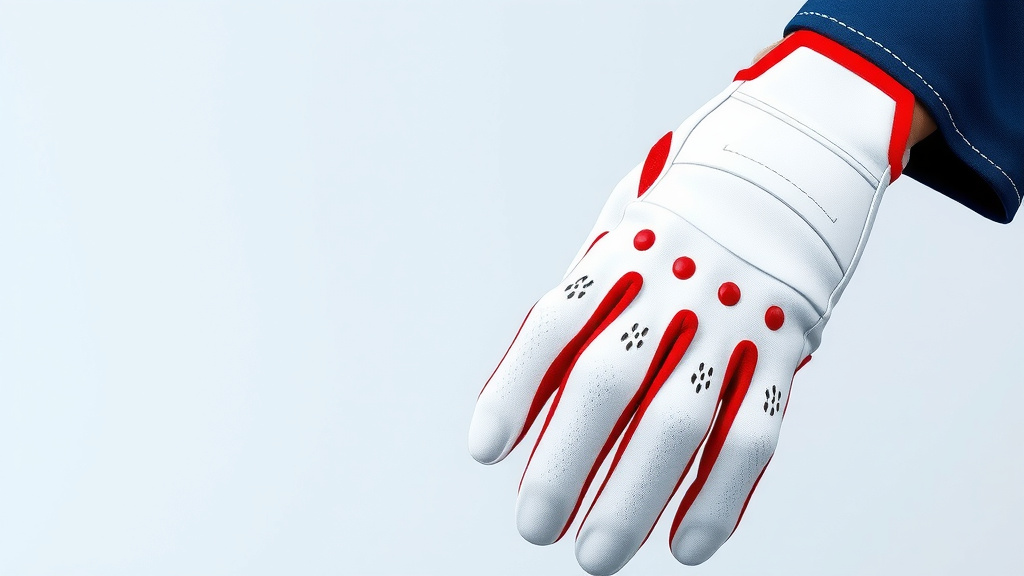
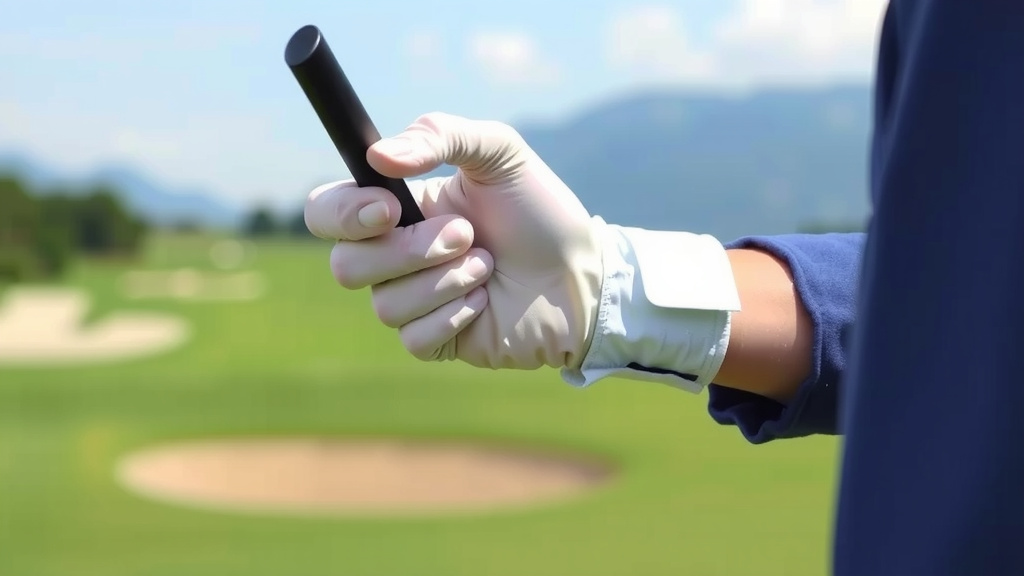
Golfers typically wear a glove on their non-dominant hand to get a better grip. This means most right-handed golfers wear a glove on their left hand, and left-handed golfers wear one on their right hand. This single glove helps prevent your hand from slipping during your swing.
You might wonder why just one glove works. It’s about providing stability and consistency to your swing. The glove creates a more secure connection to the club. We found that this practice is common across professional and amateur players alike for improved control.
- Most golfers wear a glove on their non-dominant hand.
- Right-handed golfers wear a glove on their left hand.
- Left-handed golfers wear a glove on their right hand.
- It improves your club grip and prevents slipping.
- This helps with swing consistency and control.
Let’s get into the specifics of why this works and what to look for when choosing your golf glove.
Why Golfers Wear a Glove on One Hand
You might be curious about why golfers typically wear just one glove. It’s a common practice, and there’s a solid reason behind it. The primary goal is to enhance your grip on the golf club. A better grip leads to more control during your swing. This can translate to straighter shots and more power. We found that this single glove offers a surprising amount of stability. It prevents your hand from slipping, especially when conditions are less than ideal.
The Science of the Grip
Think of the golf club as an extension of your arm. A secure connection is essential for a consistent swing. When your hands get sweaty, or if the club has a slick grip, your ability to control the club face is compromised. The golf glove acts like a second skin. It creates a tacky surface that bites into the club’s grip. This extra friction is key. Many golf professionals and amateurs alike have adopted this method for its proven benefits in shot consistency.
Understanding Dominant vs. Non-Dominant Hand
The glove usually goes on your non-dominant hand. This might seem counterintuitive at first. However, it makes perfect sense when you consider how you swing. For most right-handed individuals, the left hand is the non-dominant hand. This hand is often considered the “steering” hand. It helps guide the club through the swing. Conversely, left-handed golfers will typically wear a glove on their right hand. Research supports that this setup provides the optimal balance of control and flexibility for the swing motion.
The Role of the Glove in Swing Mechanics
During a golf swing, your hands experience different pressures. The glove helps manage these forces. It provides a consistent feel between your hand and the club throughout the entire motion. This consistency is vital for repeating your swing. When your grip is secure, you don’t have to squeeze the club as hard. This allows your wrists and arms to move more freely. Many golf instructors emphasize that a relaxed grip is often a more powerful grip. The glove assists in achieving that relaxed yet firm hold.
Preventing Slippage and Improving Consistency
Let’s talk about sweat. Your hands can get sweaty during a round, especially on a warm day or during a stressful shot. A leather glove, in particular, absorbs some of that moisture. It prevents your hand from sliding around on the grip. This prevention of slippage is perhaps the most direct benefit. When your hands stay put, your club face is less likely to twist unexpectedly at impact. This means fewer hooks and slices, and more shots landing where you intend them to go.
Choosing Your Golf Glove: What to Look For
Now that you understand why you wear a glove, let’s consider how to pick the right one. Not all golf gloves are created equal. The material, fit, and type can all impact your game. We found that finding the perfect glove is a bit like finding the perfect pair of shoes – it needs to feel right.
Material Matters: Leather vs. Synthetic
Golf gloves are typically made from either leather or synthetic materials. Each has its own pros and cons. Leather gloves are known for their premium feel and superior grip, especially when broken in. They tend to mold to your hand over time. However, leather can be less durable and can get stiff if not cared for properly. Synthetic gloves are often more affordable and can be more durable and water-resistant. They offer a consistent grip but may not have the same soft feel as leather. Some gloves even use a hybrid design, combining leather for key areas with synthetic materials elsewhere for a balance of performance and durability.
The Perfect Fit: It’s All About Comfort
A glove that is too tight will restrict your blood flow and feel uncomfortable. Conversely, a glove that is too loose will wrinkle and bunch up. This creates hot spots and can actually hinder your grip. When trying on a glove, it should feel snug but not constricting. You should be able to comfortably close your hand. The fingertips should not have excess material hanging over. Most manufacturers provide sizing charts. We recommend consulting these before making a purchase. A properly fitted glove is essential for maximizing comfort and performance on the course. Remember, you’ll be wearing this for several hours, so comfort is key!
Single vs. Double Glove: The Debate
As we’ve discussed, most golfers opt for a single glove. This is for the grip benefits on the non-dominant hand. However, some players do choose to wear gloves on both hands. This is often a matter of personal preference rather than a necessity for grip. Wearing two gloves can provide extra cushioning and warmth, which some players enjoy. It can also help prevent calluses on both hands. We found that for the average golfer focused on grip and control, a single glove on the non-dominant hand is the standard recommendation. Professional golfers almost universally wear a single glove for optimal club feel.
Key Features to Consider
Beyond material and fit, consider other features. Some gloves offer enhanced breathability through mesh panels. This is great for hot weather. Others might have reinforced padding in areas that experience more wear. Think about the conditions you usually play in. Do you need a glove that performs well when wet? Are you looking for maximum durability? Here’s a quick checklist to help you decide:
- Check the material: leather, synthetic, or hybrid?
- Ensure a snug but comfortable fit without excess material.
- Consider breathability for warmer rounds.
- Look for durability if you play frequently.
- Think about water resistance if you often play in damp conditions.
- Decide if a single or double glove suits your preference.
Conclusion
You’ve learned that wearing a golf glove on your non-dominant hand is key for a solid grip and consistent swing. Whether you’re right or left-handed, this single glove improves control and prevents slippage. Remember to find a glove made from the right material that fits you snugly. This small change can make a big difference on the course. Your next step? Head to a golf shop or look online to find a glove that feels perfect for your game.
Frequently Asked Questions
Do professional golfers always wear a glove?
Yes, professional golfers almost universally wear a glove on their non-dominant hand. They prioritize the enhanced grip and consistent feel it provides. This allows for precise control during their powerful swings.
Can I wear a glove on my dominant hand instead?
While you technically can, it’s not the typical practice for most golfers. Wearing it on your non-dominant hand provides the best grip and steering control for your swing. Some players might try it, but the standard recommendation is for the non-dominant hand.
Does glove material affect grip?
Absolutely. Leather gloves generally offer a superior, premium feel and grip that molds to your hand over time. Synthetic gloves are often more durable and water-resistant, providing a consistent grip in various conditions.
What happens if my golf glove is too loose?
A loose glove can cause bunching and wrinkles in your palm. This can lead to uncomfortable friction, hot spots, and actually hinder your grip. It prevents you from getting that secure connection to the club you need.
Should I wear a glove if I have calluses?
If you have calluses, a glove can provide cushioning and protect your hands from further irritation. It can also help prevent new calluses from forming by reducing friction between your skin and the club grip.