Fingerless Gloves vs Full Gloves: Which is Best for You
Deciding between fingerless gloves and full gloves really depends on what you need them for. For tasks requiring dexterity and a bit of warmth, fingerless gloves are often the better choice. If you need full protection from cold or impact, then full gloves are usually the way to go. We’ve researched and found the key differences to help you decide.
Think about it: do you need your fingertips free for fine motor skills, like texting or using tools? Or is keeping every single finger warm the main goal? Many experts say the right glove depends on balancing warmth with your ability to move and feel.
- Fingerless gloves offer warmth for hands while keeping fingers free for tasks.
- Full gloves provide maximum warmth and protection for your entire hand.
- Consider your activity: dexterity needs vs. pure insulation.
- Materials and thickness also play a big role in glove performance. Materials and thickness also play a big role in glove performance, and our guide to cashmere vs. wool gloves explains more.
Let’s break down when each type of glove shines so you can pick the perfect pair for your needs.
Deciding Between Open-Fingertip and Full Coverage Gloves
Choosing the right glove type boils down to your specific needs. You want warmth, sure, but you also need to get things done. We’ve looked into how fingerless and full gloves stack up.
What Are Fingerless Gloves Good For?
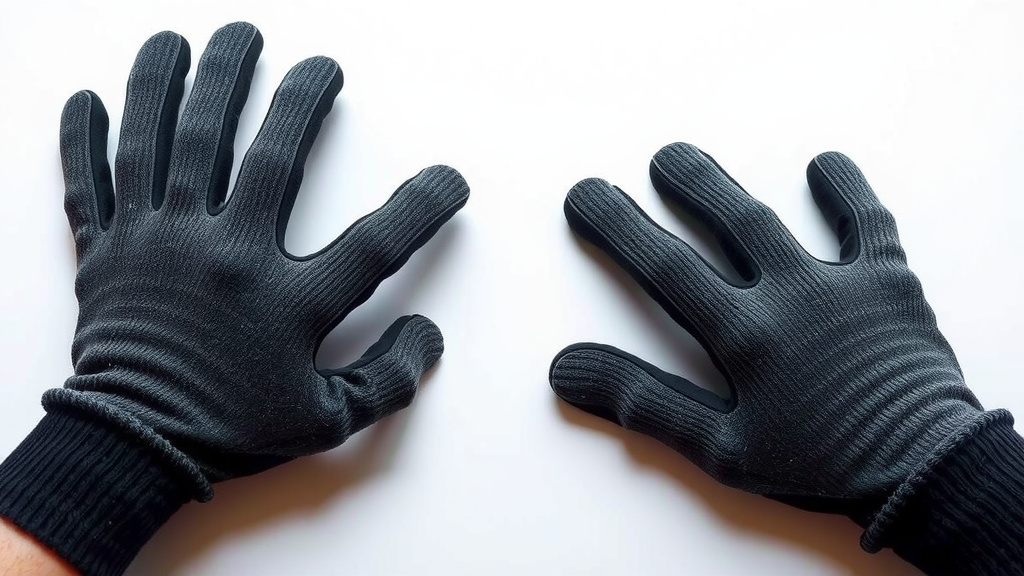
Fingerless gloves keep your main hand warm. They cover your palm and the back of your hand. But, they leave your fingers exposed. This design is perfect for tasks needing dexterity. Think about working with tools, typing, or playing an instrument. You get warmth without sacrificing your ability to feel and grip.
When Do Full Gloves Make More Sense?
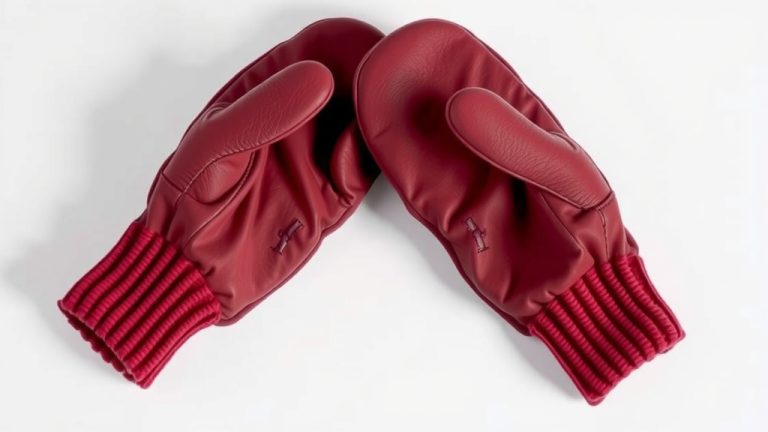
Full gloves offer complete coverage. They protect all five fingers and your whole hand. This is your go-to for serious cold weather. They also provide better protection against impact or rough materials. If your primary concern is keeping every inch of your hand cozy and safe, a full glove is likely the better option.
Warmth: The Core Difference
When it comes to raw warmth, full gloves win. They trap heat around your entire hand. Fingerless gloves offer some warmth to your palm. But, your fingers are exposed to the elements. For very cold conditions, fingerless gloves might not be enough.
Dexterity and Feel: Where Fingerless Gloves Shine
This is where fingerless gloves really stand out. You can easily text, use your smartphone, or handle small items. Fine motor skills remain unimpaired. Many people find them essential for outdoor work or hobbies in cooler weather. You retain a much better sense of touch.
Materials Matter for Performance
The materials used in gloves greatly impact their performance. You’ll find gloves made from all sorts of things. Common options include wool, fleece, leather, and synthetic blends. Each has its pros and cons for warmth, durability, and flexibility.
Natural Fibers Like Wool
Wool is a classic choice for a reason. It’s naturally warm and breathable. Even when wet, wool retains some insulating properties. Many experts note that wool is great for moderate cold. It can also be a bit scratchy for some, so check for softer merino wool blends.
Synthetic Fleece and Blends
Fleece is soft, lightweight, and very warm. It dries quickly, which is a big plus. Synthetic blends often combine materials to enhance durability and water resistance. These are generally more affordable and easier to care for. They offer excellent warmth for their weight.
Leather for Durability and Style
Leather gloves offer excellent durability and wind resistance. They often look stylish, too. Leather can be stiff at first but breaks in over time. It might need special care to stay supple. For heavy-duty tasks or a classic look, leather is a strong contender.
Comparing Glove Features: A Quick Look
Here’s a breakdown of what to expect from each glove type:
| Feature | Fingerless Gloves | Full Gloves |
|---|---|---|
| Warmth | Moderate (hands only) | High (full hand) |
| Dexterity | Excellent | Limited |
| Protection | Partial (hands) | Full (hands and fingers) |
| Best For | Tasks needing fine motor skills, light chill | Cold weather, impact protection, rough use |
| Feel/Grip | Direct feel, good grip | Reduced feel, can affect grip |
When to Choose Which Type: Your Checklist
To help you decide, ask yourself these questions. Your answers will point you toward the right glove. We found that considering these points makes the choice much clearer.
- Do you need to use your phone or touch screen?
- Will you be handling small objects frequently?
- How cold is it where you’ll be using the gloves?
- Do you need protection from impact or rough surfaces?
- Is maintaining a strong grip on tools essential?
- Do you prioritize overall hand warmth or finger freedom?
Conclusion
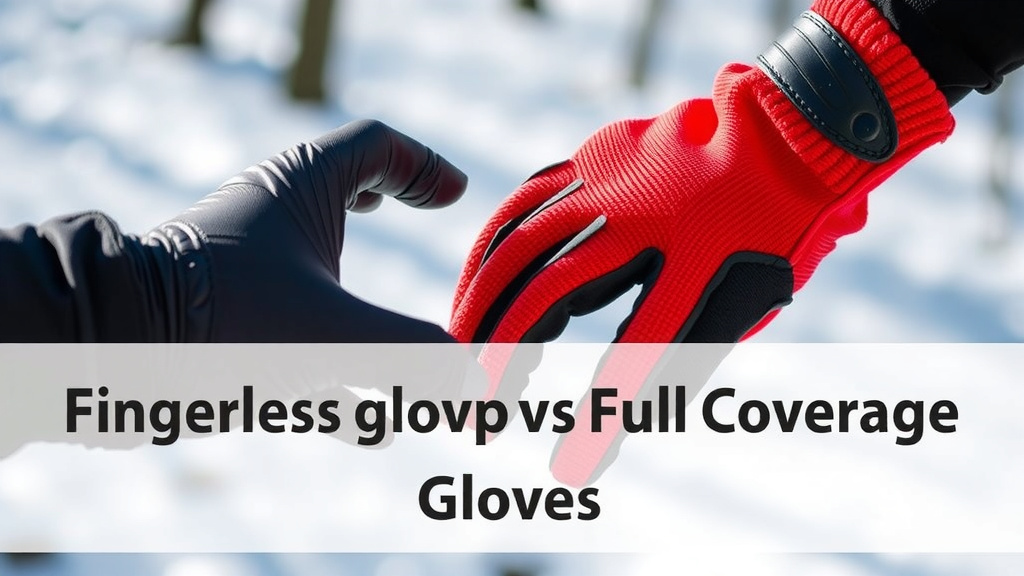
Choosing between fingerless and full gloves comes down to your priorities. For tasks where your fingertips need freedom, fingerless gloves are your best bet. They offer moderate warmth for your palms while letting you text or use tools easily. If maximum warmth and protection are what you need, then full gloves are the clear winner. They keep every finger toasty and safe from the cold or rough conditions. Consider your activity and the weather, and you’ll find the perfect pair. Now, go find the gloves that will keep you comfortable and productive!
Frequently Asked Questions
Can fingerless gloves be warm enough for winter?
Fingerless gloves provide some warmth to your palms but leave your fingers exposed. For mild winter days or indoor activities where you need dexterity, they can be sufficient. However, for true winter conditions with harsh cold, full gloves are generally recommended for better insulation.
Are fingerless gloves good for driving?
Yes, many drivers prefer fingerless gloves. They offer a good grip on the steering wheel while keeping your hands warm. You also retain the ability to easily operate controls, adjust mirrors, or use your phone without removing them.
How do I choose the right material for full gloves?
For extreme cold, look for insulated synthetic materials or thick wool. For durability and wind resistance, leather is a great choice. For a balance of warmth, breathability, and comfort, fleece or soft wool blends are excellent options.
Will fingerless gloves protect my hands from impacts?
No, fingerless gloves offer very limited protection from impacts. Their design prioritizes dexterity over protection. If you need to guard against bumps, scrapes, or impacts, you should opt for full gloves made from durable materials like leather or reinforced synthetics.
Can I wear full gloves for typing or using a touchscreen?
Standard full gloves can make typing difficult and may not register on touchscreens. Some modern full gloves are designed with touchscreen-compatible fingertips, allowing you to use your devices without removing them. You might still find the bulkiness can affect typing speed and accuracy.