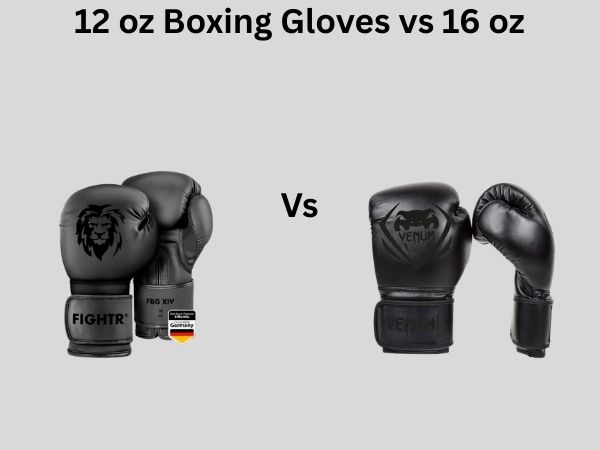
12 oz Boxing Gloves vs 16 oz: The Complete Guide to Choosing the Right Pair for Your Training
When you’re stepping into the boxing ring or training at your local gym, one of the first decisions you’ll face is selecting the right glove size. It sounds simple enough, but the choice between 12 oz and 16 oz boxing gloves can significantly impact your training experience, performance, and safety. I’ve seen countless boxers make this decision without fully understanding what they’re getting into, and I want to help you avoid that mistake.
The ounce measurement on boxing gloves isn’t just a number—it represents the weight of padding and protection your hands will receive. Think of it like choosing between a light jacket and a heavy winter coat. Both keep you warm, but they serve different purposes and work best in different conditions. Similarly, 12 oz and 16 oz gloves each have their place in a boxer’s journey, and understanding these differences will help you make an informed decision.
Understanding Boxing Glove Weights: More Than Just Numbers
Let me start by breaking down what these weights actually mean. When manufacturers label a boxing glove as 12 oz or 16 oz, they’re referring to the total weight of one glove. This weight directly correlates to the amount of padding inside the glove, which affects how much cushioning your hands receive during impact.
The heavier the glove, the more padding it contains, which means greater shock absorption and hand protection. However, this added weight also means your hands will tire more quickly during training, and your hand speed might feel slightly reduced. It’s a trade-off, and understanding these trade-offs is crucial for making the right choice.
What Are 12 oz Boxing Gloves Best For?
Twelve ounce gloves are lighter and more agile. If you’ve ever worn a heavy backpack versus a light messenger bag, you understand the difference in mobility. That’s essentially what you’re experiencing when you move from heavier to lighter gloves.
Training Benefits of 12 oz Gloves
Lighter gloves allow for faster hand speed and quicker combinations. When you’re training on the heavy bag or working mitts with a coach, you’ll notice you can throw more punches in less time. This is particularly beneficial if you’re working on developing speed and reflexes.
- Enhanced hand speed and reflexes
- Reduced fatigue during extended training sessions
- Better punch accuracy and precision
- Improved footwork coordination
- Less strain on shoulders and arms
Who Should Choose 12 oz Gloves?
Twelve ounce gloves are ideally suited for professional boxers, experienced amateur competitors, and lightweight to middleweight fighters. If you’re a smaller fighter competing at a professional level, 12 oz is often your go-to choice during fights.
They’re also perfect for solo training sessions where you’re focused on honing your technique, developing speed work, and building muscle memory for your signature combinations. When you’re hitting the heavy bag or speed bag, these lighter gloves let you move with intention and precision.
Understanding 16 oz Boxing Gloves and Their Advantages
Now let’s talk about the heavier option. Sixteen ounce gloves are like the protective gear of the boxing world. They pack more padding, offer more cushioning, and provide greater protection for both your hands and your training partner.
The Protective Edge of 16 oz Gloves
The increased padding in 16 oz gloves means better shock absorption. When you’re throwing powerful punches or absorbing impacts during sparring, this extra cushioning is genuinely valuable. Your hands will feel safer, and the risk of injury decreases significantly.
- Superior hand and wrist protection
- Greater padding for impact absorption
- Safer for sparring partners
- Reduced risk of hand injuries and wrist strain
- Better for beginners learning proper form
Who Benefits Most From 16 oz Gloves?
If you’re new to boxing, 16 oz gloves should be your starting point. The extra protection gives you confidence as you learn the fundamentals without worrying excessively about hand injuries. Heavier fighters also tend to prefer 16 oz gloves because the extra weight helps distribute the force of their naturally more powerful punches.
Beginners specifically benefit from the added protection because they’re still developing proper punching technique. When you’re just learning how to form a fist correctly and throw with proper wrist alignment, having that extra cushioning is like having training wheels on a bicycle—it gives you safety while you build your skills.
Sparring: 12 oz vs 16 oz Boxing Gloves
When it comes to sparring, the glove weight choice becomes even more critical because you’re now involving another person. This isn’t just about your comfort—it’s about mutual safety and the quality of your training session.
12 oz Gloves for Sparring
Using 12 oz gloves during sparring sessions creates a more realistic fight experience. Professional fights use 8 oz gloves, so 12 oz is closer to that reality than 16 oz. For experienced boxers who are preparing for competition, sparring with 12 oz gloves helps you understand what fight-day conditions will feel like.
However—and this is important—sparring with 12 oz gloves requires a higher level of technical skill and control from both partners. If you’re not experienced, you can hurt your sparring partner more easily because there’s less padding to absorb the impact.
16 oz Gloves for Sparring
Most gyms actually recommend or require 16 oz gloves for sparring sessions. The increased padding makes sparring safer for both parties. You can focus on applying techniques and building experience without constantly worrying about injuring your partner or getting injured yourself.
This is especially important if you’re sparring with partners of different skill levels. The extra protection acts as a safety buffer, allowing less experienced boxers to spar with more advanced fighters without excessive risk.
Training Intensity and Workout Style Considerations
The type of training you’re doing significantly influences which glove weight makes more sense for you.
Heavy Bag Work: Which Weight Wins?
For heavy bag training, many boxers find that 16 oz gloves provide better protection for the wrists and hands because heavy bags are unforgiving. Each punch you throw against a heavy bag creates impact shock, and the extra padding helps absorb that repeated trauma.
That said, if you’re looking to build power and speed simultaneously, some trainers recommend alternating between 12 oz and 16 oz gloves during heavy bag sessions. Start with heavier gloves to warm up your hands safely, then switch to lighter ones for speed work.
Speed Bag and Mitts Work
When working with a speed bag or focus mitts, many boxers prefer 12 oz gloves. The lighter weight allows for quicker hand movements and better wrist mobility. You’ll feel more responsive and can work on intricate combinations more effectively.
Conditioning and Endurance Training
If your training session focuses on conditioning and building cardiovascular endurance, 12 oz gloves are often the better choice. They fatigue your hands less, allowing you to maintain longer training sessions without your arms and shoulders burning out prematurely.
Safety Considerations: Protecting Your Hands and Wrists
Let’s be honest—boxing is a contact sport, and hand protection should never be compromised. Your hands are irreplaceable, and hand injuries can have long-term consequences.
Hand Injury Risk Assessment
Beginners and novice boxers face higher risks with lighter gloves because their punching technique isn’t yet perfected. When you don’t have proper wrist alignment or hand positioning, lighter gloves provide less protection against impact-related injuries like sprains, fractures, or repetitive strain injuries.
More experienced boxers with refined technique can handle 12 oz gloves because their body mechanics are sound. They know how to punch correctly, which minimizes injury risk regardless of glove weight.
Wrist Support and Padding
Beyond the glove weight itself, consider the internal structure. Both 12 oz and 16 oz gloves should have adequate wrist support. However, in general, heavier gloves naturally provide more substantial wrist padding due to their increased material.
If you have a history of wrist issues or want maximum support, 16 oz gloves or possibly even 18 oz gloves might be worth considering, even if you don’t typically use that weight.
Strength Training and Conditioning Benefits
Interestingly, both weights offer conditioning benefits, just in different ways.
Building Explosive Power
Training with 12 oz gloves requires less muscular effort per punch, which allows you to throw more punches overall. This builds explosive power through volume and repetition. Think of it like doing light weight, high-repetition exercises versus heavy weight, low-repetition training.
Developing Sustained Strength
Sixteen ounce gloves require more effort per punch, building strength endurance. When you’re throwing punches with heavier gloves, your shoulders, arms, and core work harder. This helps develop the sustained power you need to maintain force output throughout a fight.
Fighter Weight Classes and Glove Selection
Your weight class matters more than many beginners realize when choosing glove weight.
Lightweight and Welterweight Fighters
Smaller fighters often gravitate toward 12 oz gloves because they develop better hand speed relative to their bodyweight. The lighter gloves allow them to maximize their natural advantages—speed and agility—rather than trying to compete on power with heavier opponents.
Middleweight and Above
Heavier fighters sometimes prefer 16 oz gloves during training to develop power and strength endurance. When you’re naturally carrying more muscle mass, 16 oz gloves feel proportionately lighter, but still provide good conditioning benefits.
Cost Factor: Budget Considerations
Let’s address the practical side. Generally speaking, 12 oz gloves are slightly less expensive than 16 oz gloves because they require less material. However, the price difference is usually modest—perhaps ten to twenty dollars depending on the brand and quality.
Rather than choosing based on price, I’d recommend budgeting for at least two pairs of gloves: one for heavy bag work and one for sparring. Many boxers keep multiple pairs because different training situations genuinely do benefit from different weights.
Making Your Final Decision: A Decision Matrix
Let me help you think through this systematically. Consider these factors:
- Experience Level: Beginners should start with 16 oz; experienced boxers can use either depending on situation
- Training Goals: Speed-focused training favors 12 oz; power-development favors 16 oz
- Sparring Frequency: If you spar regularly, invest in 16 oz specifically for sparring
- Hand Health: If you’ve had hand issues, lean toward 16 oz for protection
- Body Weight: Lighter fighters benefit more from 12 oz; heavier fighters can handle either
- Gym Environment: Some gyms have preferences or requirements—check before purchasing
Transitioning Between Glove Weights
Here’s something many boxers don’t talk about: transitioning between weights. If you train exclusively with 12 oz gloves and then suddenly switch to 16 oz, you’ll feel heavy and sluggish. Conversely, if you suddenly go from 16 oz to 12 oz, you might feel reckless and throw with less control.
Smart training involves gradually introducing both weights. Spend a week primarily with one weight, then alternate. This helps your neuromuscular system adapt and actually makes you a better boxer overall. You’ll develop the ability to maintain good technique and control with any weight, which translates directly to better performance.
The Real-World Perspective on Glove Weight
Ultimately, the “perfect” glove weight is the one that aligns with your current skill level, training goals, and circumstances. There’s no universal right answer. Professional fighters use 8 oz gloves in competition, but that doesn’t mean those are best for your training situation.
I’ve trained with elite fighters who prefer 16 oz gloves during intense sparring sessions and then switch to 12 oz for solo work. I’ve also seen naturally lighter fighters who never wear anything heavier than 12 oz. Both approaches work because they’re intentional and aligned with their specific needs.
Conclusion
The choice between 12 oz and 16 oz boxing gloves isn’t a simple matter of one being objectively better than the other. Instead, it’s about understanding what each weight offers and matching that to your individual circumstances.
If you’re just starting your boxing journey, begin with 16 oz gloves for general training and sparring. They provide the protection you need while you’re developing fundamental technique. As you progress and your skills improve, you’ll naturally find situations where 12 oz gloves make sense—whether that’s speed work, conditioning sessions, or eventually sparring with more experienced partners.
Remember that elite boxers often use multiple weights strategically. They don’t just pick one and stick with it forever. They understand that different training scenarios benefit from different equipment, and they adjust accordingly to maximize their development.
Invest in quality gloves regardless of which weight you choose. Cheap gloves deteriorate quickly and provide inconsistent protection. A good pair of 16 oz gloves will serve you better than a cheap pair of 12 oz gloves. Most importantly, listen to your hands, your wrists, and your training partners. Your body will tell you what’s working and what isn’t.
Frequently Asked Questions
Can I use 12 oz gloves if I’m a beginner boxer?
While technically possible, it’s not recommended for most beginners. Twelve ounce gloves require better technique and wrist control to prevent injury. Starting with 16 oz gloves gives you adequate protection while you’re learning proper punching mechanics. Once you’ve trained for several months and your coach confirms your technique is solid, you can experiment with 12 oz gloves.
Why do professional boxers use 8 oz gloves instead of 12 or 16 oz?
Professional boxing gloves are much lighter because fights use different rules and safety considerations than training. Eight ounce gloves are standard in professional competitions because they’re mandated by boxing organizations. However, these lighter gloves require elite-level technique and years of training to use safely. Training with heavier gloves helps build the hand speed and power needed to eventually fight with 8 oz gloves.
Should I buy both 12 oz and 16 oz gloves?
Ideally, yes. Having both weights allows you to train intentionally for different purposes. Use 16 oz for sparring sessions and power-building work, and 12 oz for speed and technical work once you’re experienced enough. This approach maximizes your development and keeps your training fresh.
How often should I replace my boxing gloves?
With regular training (4-5 times weekly), quality boxing gloves typically last 1-2 years. You’ll know they need replacing when the padding starts breaking down, the