Exfoliating Gloves vs Brush Which Is Better
When choosing between exfoliating gloves and brushes, gloves often offer a gentler yet effective exfoliation. They are excellent for reaching all areas of your body. Brushes can provide a deeper scrub but might be too harsh for sensitive skin. Your best bet depends on your skin type and desired exfoliation intensity.
Both tools aim to remove dead skin cells. This process helps reveal brighter, smoother skin. They can also help prevent ingrown hairs. Understanding the differences will help you pick the right tool for your personal care routine. Think about what feels best for your skin.
- Exfoliating gloves are generally gentler.
- Brushes can offer a deeper exfoliation.
- Both remove dead skin and prevent ingrown hairs.
- Your skin type determines the best choice.
Let’s break down the pros and cons of each to help you decide. We’ll look at how they perform and what makes them unique for your skin.
Choosing Your Perfect Exfoliating Tool: Gloves vs. Brushes
So, you’re ready to say goodbye to dull skin and hello to a radiant glow? That’s fantastic! Exfoliation is your secret weapon. But with so many options, how do you pick the right one? Let’s compare two popular choices: exfoliating gloves and brushes. We’ll help you figure out which one will be your new best friend for smoother, brighter skin.
Understanding Exfoliating Gloves
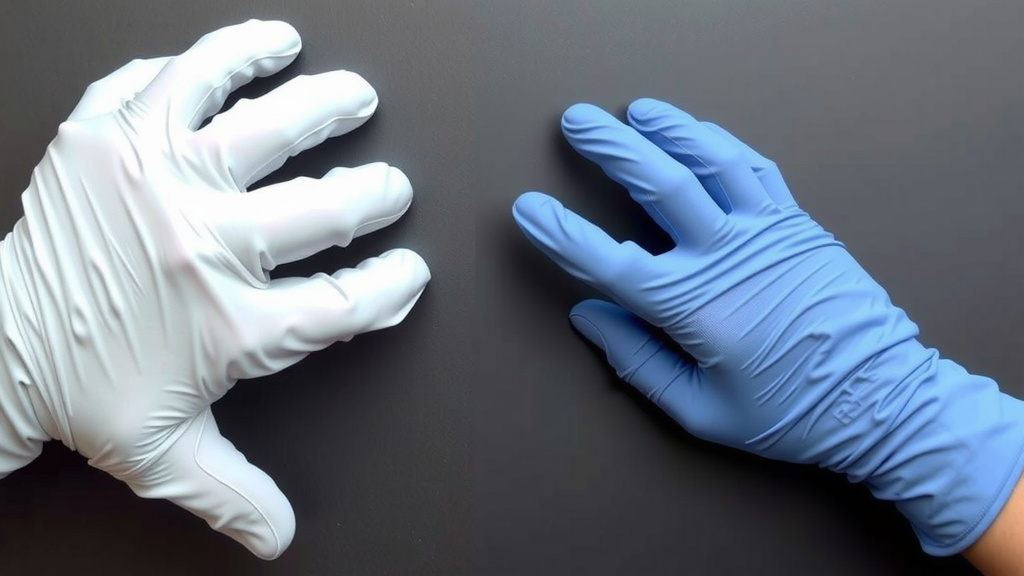
Exfoliating gloves are typically made from materials like nylon, loofah, or a similar textured fabric. They slip onto your hands like a mitten. This design makes them incredibly easy to use all over your body. You can really feel where you’re going!
How They Work and Their Benefits
When you use an exfoliating glove, the textured surface gently buffs away dead skin cells. You can use them with your favorite body wash or soap. The friction created helps lift away the dull, dry layer of skin. This leaves your skin feeling You can use them with your favorite body wash or soap, and our guide on how to use exfoliating gloves can help you get the best results.incredibly smooth and refreshed. They’re also great for getting into all those nooks and crannies, like behind your knees or between your toes. Many people find they help reduce razor bumps and ingrown hairs, too.
Who Are They Best For?
Exfoliating gloves are a wonderful option for most skin types. If you have sensitive skin, you might prefer a glove with a finer texture. You can control the pressure easily with your hands. This means you can be gentle when needed. They are also a good starting point if you’re new to exfoliation. You get a thorough clean without feeling like you’re scrubbing too hard.
Potential Downsides
While great, gloves can sometimes retain water, making them feel a bit slippery. If not rinsed and dried properly, they can become a breeding ground for bacteria. It’s important to hang them to dry completely after each use. Also, very stubborn dead skin might require a bit more effort compared to a stiffer brush.
Exploring Exfoliating Brushes
Exfoliating brushes come in various forms. You’ll find dry brushes with natural bristles, body brushes with longer handles, and even electric brushes. The bristles can be soft, medium, or firm. This variety means you can find a brush designed for your specific needs.
How They Work and Their Benefits
Brushes, especially those with stiffer bristles, can offer a deeper exfoliation. They can effectively slough off dead skin cells, even those that are more stubborn. Dry brushing, in particular, is said to stimulate circulation. Many people report that their skin feels firmer and more toned after regular dry brushing sessions. The long handles on some brushes make it easy to reach your entire back, a spot often missed.
Who Are They Best For?
If you have normal to oily skin or skin that tends to be a bit rough, a brush might be your go-to. Those who prefer a vigorous scrub often find brushes to be more effective. If you’re looking to tackle flaky patches or want that squeaky-clean feeling, a brush could be perfect for you. They’re also excellent for prepping skin before shaving to help prevent ingrown hairs (Mayo Clinic).
Potential Downsides
The main concern with brushes is that they can be too abrasive for some people. Stiff bristles can irritate sensitive skin, leading to redness or even micro-tears if you scrub too hard. Over-exfoliation is a real risk, leaving your skin barrier compromised. It’s crucial to use a gentle touch and choose bristles that match your skin’s sensitivity. Like gloves, brushes need proper cleaning and drying to prevent bacteria growth.
Direct Comparison: Gloves vs. Brushes
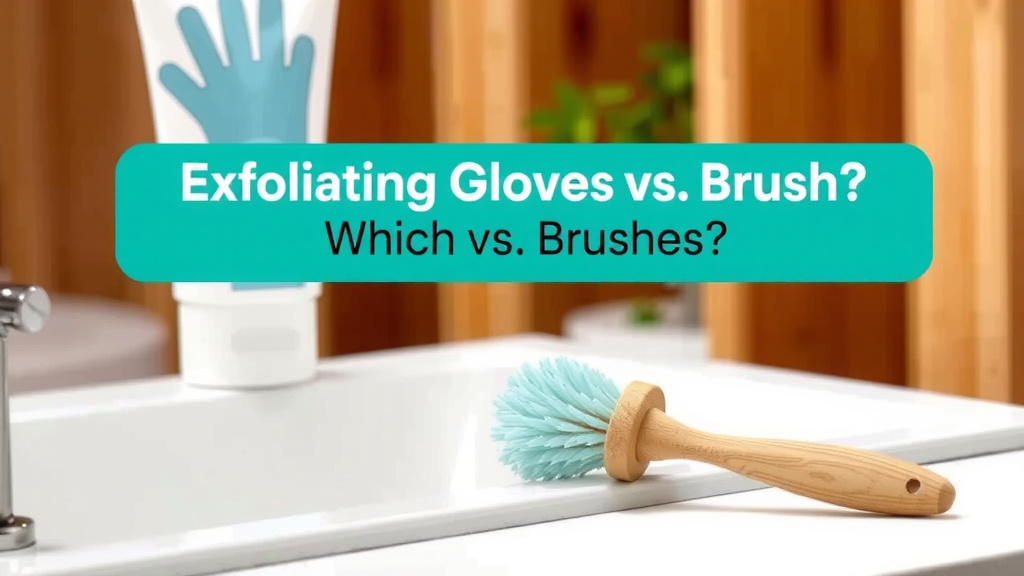
When you look at them side-by-side, the main difference boils down to intensity and flexibility. Gloves offer controlled, adaptable exfoliation. Brushes often provide a more intense scrub, with options for deeper cleaning. Let’s break it down:
| Feature | Exfoliating Gloves | Exfoliating Brushes |
|---|---|---|
| Intensity | Gentle to moderate | Moderate to intense |
| Best For | Sensitive, dry, or normal skin; all-over body use | Normal, oily, or rough skin; targeted exfoliation |
| Ease of Use | Very easy, great reach | Easy, especially with long handles for backs |
| Potential Issues | Slippery when wet, requires thorough drying | Can be too harsh for sensitive skin, requires careful pressure |
| Hygiene Tip | Hang to dry, rinse thoroughly | Clean bristles, allow to air dry completely |
Making Your Final Decision
Think about how your skin typically reacts to exfoliation. Does it get red easily? Or does it need a good bit of convincing to feel smooth? Your answer points you in the right direction. If you’re unsure, starting with gloves is often the safest bet. You can always graduate to a softer brush if you feel you need more power later.
Consider your routine too. Are you looking for a quick, everyday polish? Or a more vigorous weekly treatment? Both tools require consistent care to keep them clean and effective. Remember, exfoliation should make your skin feel good, not cause irritation. Listen to your skin; it will tell you what it needs.
Tips for Optimal Exfoliation
No matter which tool you choose, here are a few tips to get the most out of your exfoliation routine:
- Start Slow: If you’re new to exfoliation, begin once a week. See how your skin responds before increasing frequency.
- Be Gentle: You don’t need to scrub hard. Let the tool do the work.
- Rinse Well: Always rinse your skin thoroughly after exfoliating. You want to remove all loosened skin cells and product residue.
- Moisturize: After exfoliating and rinsing, apply a good moisturizer. This helps lock in hydration and keeps your skin soft.
- Replace Regularly: Both gloves and brushes wear out. Replace them every 3-6 months, or sooner if they show signs of wear or damage.
Conclusion
You’ve learned that choosing between exfoliating gloves and brushes really comes down to your skin’s needs and your personal preferences. Gloves offer a gentler, more flexible exfoliation that’s great for most skin types, especially sensitive ones. Brushes provide a deeper scrub and can be more effective for tougher skin or those seeking a more invigorating experience. Remember to always listen to your skin. Start with gentler methods if you’re unsure. Ultimately, consistent, mindful exfoliation with either tool will help you achieve that smooth, radiant complexion you’re after.
Frequently Asked Questions
Can I use exfoliating gloves every day?
Generally, it’s recommended to use exfoliating gloves a few times a week, not every day. Daily vigorous exfoliation can strip your skin of its natural oils. This can lead to irritation or dryness, even with gloves. Pay attention to how your skin feels; if it becomes sensitive, reduce the frequency. Generally, it’s recommended to use exfoliating gloves a few times a week, not every day, as discussed in our guide on how often to use exfoliating gloves.
How often should I replace my exfoliating brush?
You should aim to replace your exfoliating brush every 3 to 6 months. Over time, the bristles can become worn down and less effective. They can also harbor bacteria if not cleaned properly. Inspect your brush regularly for signs of wear and tear, and replace it sooner if needed.
Are exfoliating gloves good for preventing ingrown hairs?
Yes, exfoliating gloves can be very effective at preventing ingrown hairs. By regularly removing dead skin cells, you help to keep hair follicles clear. This makes it easier for hair to grow through the skin without getting trapped. Using them before shaving can also create a smoother surface for your razor.
Can I use an exfoliating brush on my face?
While some facial brushes are designed for the face, most body exfoliating brushes are too abrasive. Using a body brush on your face can cause redness, irritation, and micro-tears. It’s best to use tools specifically designed for facial exfoliation. Always opt for softer bristles or chemical exfoliants for your face.
What’s the best way to clean and dry exfoliating gloves?
After each use, rinse your exfoliating gloves thoroughly with warm water to remove all soap and dead skin. Squeeze out excess water and hang them in a well-ventilated area to air dry completely. Avoid leaving them in a damp shower. Proper drying is key to preventing mold and bacteria growth.