Exfoliating Gloves vs Washcloth Which is Better
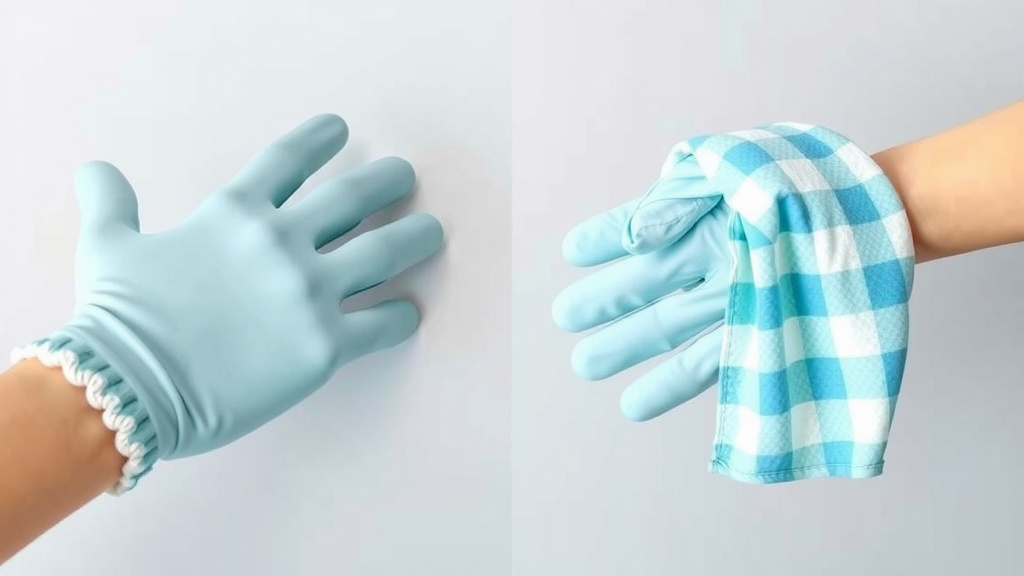
When choosing between exfoliating gloves and washcloths, **exfoliating gloves generally offer a more vigorous scrub**. This is because their textured surface is designed to slough off dead skin cells more effectively than a soft washcloth. You’ll likely feel smoother skin faster with gloves, but a washcloth can be gentler for daily use.
Both methods aim to improve your skin’s texture. Gloves provide a deeper exfoliation experience, while washcloths offer a softer cleansing. Your skin type and desired outcome will determine which tool is best for your routine. It’s about finding the right balance for healthy, radiant skin.
- Exfoliating gloves give a deeper scrub.
- Washcloths are gentler for everyday cleansing.
- Gloves help remove dead skin faster.
- Washcloths can be used with various cleansers.
- Choose based on your skin’s needs.
Let’s break down the differences and help you pick the perfect tool for your shower routine.
“`htmlGloves vs. Washcloths: Which Exfoliation Tool is Right for You?
Choosing the right tool for your skin’s exfoliation can feel overwhelming. You want that smooth, radiant glow. But what’s the difference between a textured glove and a soft washcloth? We’ve looked into it. Many skincare experts suggest that for a deeper clean, exfoliating gloves tend to be the go-to. They offer a more intense experience. Washcloths, on the other hand, are often favored for their gentleness. They’re excellent for daily use and sensitive skin types. Let’s explore how each can benefit your skin.
Understanding Exfoliating Gloves
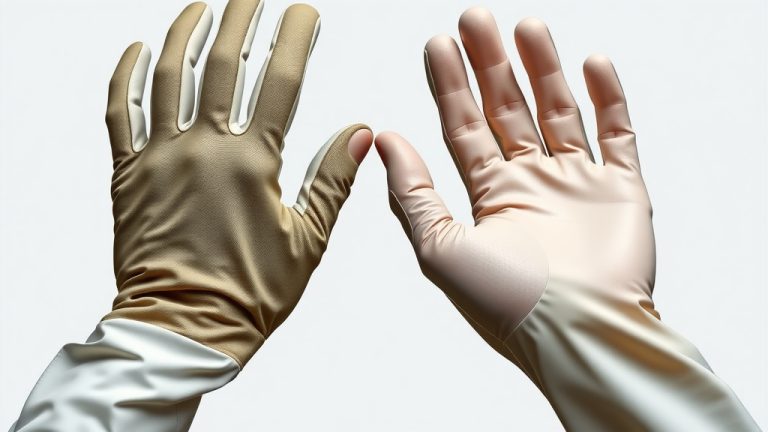
Exfoliating gloves are typically made from synthetic materials like nylon or polyester. They often have a woven or textured surface. This design is intentional. It helps to grip and lift dead skin cells from your body. You simply slip them on like a pair of gloves. Then, you can use them with your favorite body wash or soap. The textured surface creates friction. This friction is key to sloughing away dull skin. Many users report feeling an Exfoliating gloves are typically made from synthetic materials. Learn how to use exfoliating gloves for smoother skin.immediate smoothness after use. It’s like giving your skin a vigorous polish. Just be sure to rinse them thoroughly after each use and allow them to air dry completely to prevent bacteria growth.
The Power of a Deep Scrub
When you want to tackle rough patches, exfoliating gloves shine. They can help buff away dryness on areas like your elbows, knees, and heels. This intense exfoliation can also help improve circulation. Some research suggests that regular exfoliation can lead to healthier-looking skin over time. It helps prepare your skin to better absorb moisturizers. Think of it as clearing the path for hydration. You’ll likely notice a difference after just one use.
Potential Downsides of Gloves
Because exfoliating gloves are quite potent, they aren’t for everyone. If you have very sensitive skin, you might find them too harsh. Over-exfoliation can lead to redness, irritation, or even micro-tears in the skin. It’s important to use them with a light touch. You should also avoid them if you have any active breakouts or skin conditions like eczema or psoriasis. Always listen to your skin. If it feels irritated, it’s a sign to ease up or switch to a gentler method.
Exploring the Versatility of Washcloths
A washcloth, often called a washcloth or face cloth, is a simple yet effective cleansing tool. They are usually made from soft cotton or a cotton blend. Their primary purpose is gentle cleansing and washing. However, their texture can also provide mild exfoliation. You can use them in various ways. Some have a terry cloth side for a bit more texture. Others are smoother. This makes them adaptable to different skin needs and preferences.
Gentle Cleansing and Mild Exfoliation
For those with sensitive skin, a washcloth is often the preferred choice. It allows you to cleanse your face and body without excessive scrubbing. You can still achieve a decent level of exfoliation. You just need to use a slightly firmer pressure or a cloth with a bit more texture. A damp washcloth can help to remove surface impurities. It can also gently slough away light dead skin buildup. Many dermatologists recommend washcloths for daily facial cleansing. They are less likely to cause irritation than harsher exfoliating tools. The American Academy of Dermatology often suggests gentle cleansing methods.
How to Maximize Washcloth Exfoliation
Want a bit more out of your washcloth? Try using a circular motion when washing your face and body. This gentle friction can help boost exfoliation. You can also opt for washcloths with a subtle texture. Materials like bamboo or organic cotton can sometimes offer a slightly more effective scrub. Using a gentle facial cleanser with your washcloth can also enhance its cleaning power. Remember, the goal is to cleanse and lightly buff. It’s not to scrub your skin raw. If your skin feels tight or red, you’re likely applying too much pressure.
Key Differences Summarized
Let’s lay out the main distinctions. It’s helpful to see them side-by-side. This can clarify which tool might be a better fit for your routine. Think about your skin’s current condition and your goals for exfoliation. Are you looking for a deep pore cleanse? Or is your skin more sensitive and in need of gentle care? Understanding these differences is the first step to choosing wisely.
| Feature | Exfoliating Gloves | Washcloth |
|---|---|---|
| Exfoliation Level | Deep and vigorous | Mild to moderate |
| Material Texture | Rough, woven, textured | Soft, smooth, sometimes textured |
| Best For | Tackling rough skin, deeper cleansing | Daily cleansing, sensitive skin |
| Potential for Irritation | Higher if used too aggressively | Lower, generally gentler |
| Ease of Use | Simple to slip on | Easy to hold and manipulate |

Making Your Choice: What’s Best for Your Skin?
So, which one should you reach for? The answer really depends on your unique skin needs and your personal preference. If your skin is generally resilient and you want that really clean, buffed feeling, exfoliating gloves might be your new best friend. They are fantastic for occasional deep exfoliation. Perhaps you want to prepare your skin for a self-tanner or get rid of flakiness before applying makeup. Gloves can help achieve this.
However, if you have skin that tends to get red easily, or if you experience conditions like acne, rosacea, or eczema, a washcloth is likely a safer bet. You can still get a great cleanse and a little bit of exfoliation without risking irritation. A soft washcloth is perfect for a daily refresh. It’s about being kind to your skin. Even if you have tougher skin, you might want to alternate. Perhaps use gloves once a week and a washcloth for daily cleansing.
Tips for Using Both Effectively
No matter which tool you choose, proper usage is key. Here are a few things to keep in mind:
- Always use with a cleanser or soap.
- Rinse thoroughly after each use.
- Allow your tool to air dry completely.
- Replace your exfoliating tool regularly.
- Listen to your skin!
For exfoliating gloves, start with gentle pressure. You can always increase it if needed. For washcloths, focus on a soft, circular motion. If you’re unsure, starting with a washcloth is a wise choice. You can always experiment with gloves later if you feel your skin can handle it. Your skin health is the top priority. Make choices that support that goal.
“`Conclusion
Deciding between exfoliating gloves and a washcloth boils down to your skin’s specific needs. For a powerful, deep clean that tackles roughness and reveals smoother skin quickly, exfoliating gloves are your top choice. They’re perfect for those occasional intense exfoliation sessions. If your skin leans towards sensitive, or if you prefer a gentler, daily cleansing routine, a soft washcloth offers that comfort and mild exfoliation without irritation. You can even alternate between the two for balanced skin care. Listen to your skin, and choose the tool that makes you feel your best!
Frequently Asked Questions
Can I use exfoliating gloves on my face?
Generally, it’s not recommended to use exfoliating gloves on your face. Facial skin is much more delicate than the skin on your body. The strong texture of exfoliating gloves can easily cause irritation, redness, or even micro-tears on your face. Stick to using gloves on your body and a gentler method for your face.
How often should I use exfoliating gloves?
Because exfoliating gloves provide a deep scrub, it’s best not to use them daily. For most skin types, using exfoliating gloves 1-2 times per week is sufficient. Over-exfoliating can strip your skin of its natural oils and lead to irritation. Always monitor your skin’s reaction and adjust frequency as needed. For most skin types, using exfoliating gloves 1-2 times per week is sufficient. Learn more about how often you should use exfoliating gloves.
Are washcloths good for sensitive skin?
Yes, washcloths are excellent for sensitive skin. Their soft texture allows for gentle cleansing and mild exfoliation without causing excessive friction or irritation. If you have sensitive skin, opt for a soft cotton or bamboo washcloth and use light pressure when washing.
How do I clean and care for my exfoliating gloves and washcloths?
After each use, rinse both your exfoliating gloves and washcloths thoroughly with warm water. Squeeze out excess water and hang them to air dry completely. It’s important to ensure they are fully dry to prevent bacterial growth. Replace them every few months or when they start to show signs of wear and tear.
Can I use exfoliating gloves or a washcloth with acne-prone skin?
With acne-prone skin, it’s best to proceed with caution. Exfoliating gloves might be too abrasive and could potentially spread bacteria or worsen inflammation. A soft washcloth used gently can be a safer option for cleansing, but avoid scrubbing inflamed breakouts. Always consult with a dermatologist for personalized advice on managing acne.