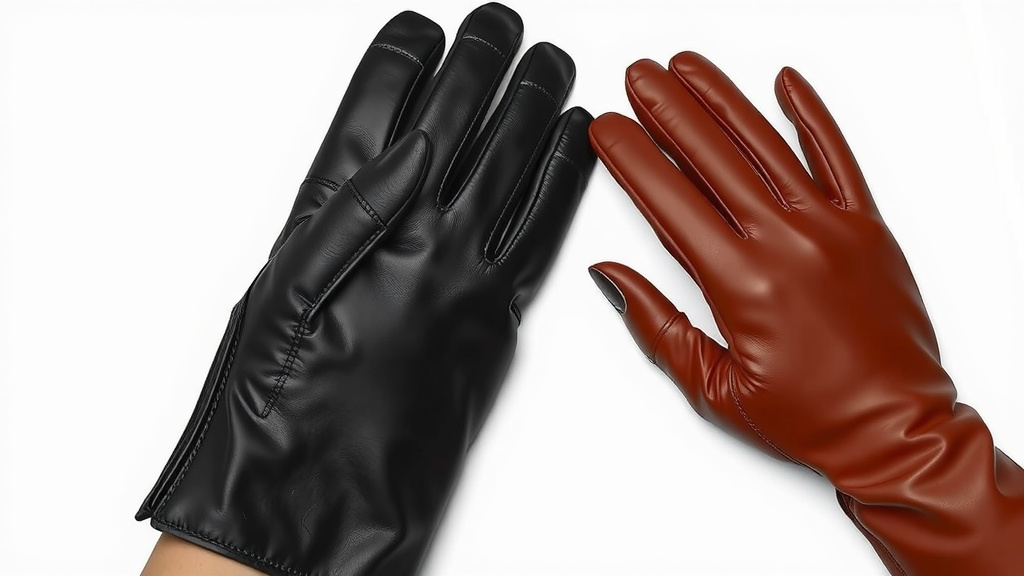
Cowhide vs Goatskin Gloves: Which is Best for You
When choosing between cowhide vs goatskin gloves, the main difference lies in their durability and suppleness. Cowhide offers superior toughness and protection, making it ideal for heavy-duty work. Goatskin, on the other hand, is known for its exceptional flexibility and softness, often preferred for tasks requiring more dexterity.
Your choice really depends on what you need your gloves to do. If you’re facing rough conditions or need maximum protection, cowhide might be your go-to. For jobs where you need a good feel and precise movements, like driving or delicate crafting, goatskin often wins out. We found both have their unique strengths. If you need gloves for tough outdoor work, our guide to the best barn gloves can help.
TL;DR:
- Cowhide: More durable, better for heavy-duty tasks.
- Goatskin: Softer, more flexible, great for dexterity.
- Consider your main use when picking.
- Both offer good protection with different feels.
Let’s dive into the details of each type of glove, so you can make the best choice for your needs.
“`htmlComparing Cowhide and Goatskin Gloves for Your Work and Hobbies
When you’re looking for a new pair of gloves, you’ve probably noticed that cowhide and goatskin are two of the most common materials. Both are animal leathers, but they behave quite differently. Understanding these differences will help you pick the right pair for your needs. We found that the best glove material often comes down to balancing protection with comfort and flexibility.
Understanding Cowhide Leather Gloves
Cowhide is often the go-to material for many types of work gloves. It’s known for being tough and resilient. This makes it a solid choice when you need dependable protection. We found it’s a popular option for construction, mechanics, and general labor.
The Durability of Cowhide
One of the biggest selling points of cowhide is its incredible durability. It’s a thicker, denser hide compared to many other leathers. This means it can withstand a lot of wear and tear. If you’re working with rough materials or in demanding environments, cowhide gloves can offer excellent protection against scrapes, abrasions, and minor punctures. Many experts suggest cowhide for its long-lasting performance.
Flexibility and Comfort
While cowhide is tough, it’s not always the most flexible material. New cowhide gloves can feel stiff. They often require a break-in period to become truly comfortable. As you wear them, the leather softens and molds to your hand. This process can take some time. Some find this stiffness a minor drawback for tasks requiring fine motor skills.
Protection Against the Elements
Cowhide offers good protection against the elements. It can provide a decent barrier against wind and moderate moisture. However, it’s not typically waterproof unless treated. We found that its natural thickness helps insulate your hands somewhat, offering a bit of warmth.
Exploring Goatskin Leather Gloves
Goatskin leather offers a different set of advantages. It’s often celebrated for its softness and flexibility. This makes it a favorite for those who need a good feel for what they’re doing. We found many artisans and drivers prefer goatskin.
The Suppleness and Dexterity of Goatskin
The standout feature of goatskin is its exceptional suppleness. It’s a much softer and more pliable leather than cowhide. This means goatskin gloves often feel comfortable right out of the box. They don’t usually require a lengthy break-in period. This flexibility allows for a high degree of dexterity, making it easier to perform tasks that require fine finger movements. Many users report feeling a superior tactile sensation with goatskin.
Durability Considerations
While soft, goatskin is generally less durable than cowhide. It’s a thinner hide. This means it can be more susceptible to cuts and abrasions. For heavy-duty work, goatskin might not hold up as well over time. However, for lighter tasks and where sensitivity is key, its durability is often more than adequate. We found that its natural lanolin content helps keep it soft and less prone to cracking.
Breathability and Comfort
Goatskin is known for being quite breathable. This helps keep your hands cooler and more comfortable, especially during longer wear. It’s a great option if you tend to get hot hands. The softness also contributes to overall comfort. Many people find goatskin gloves to be a pleasure to wear for extended periods.
Direct Comparison: Cowhide vs. Goatskin
To make your decision easier, let’s put them side-by-side. Think about what you’ll be doing while wearing your gloves. This is often the deciding factor.
Key Differences at a Glance
We’ve compiled the main points into a simple table:
| Feature | Cowhide Gloves | Goatskin Gloves |
|---|---|---|
| Durability | High (Excellent for heavy-duty work) | Moderate (Better for lighter tasks) |
| Flexibility | Moderate (Requires break-in) | High (Very supple and pliable) |
| Dexterity | Moderate | High (Great for fine motor skills) |
| Comfort | Good (Improves with break-in) | Excellent (Soft from the start) |
| Abrasion Resistance | High | Moderate |
| Typical Uses | Construction, mechanics, welding, ranch work | Driving, shooting, crafting, photography, light gardening |
When to Choose Cowhide
If your main concern is robust protection and the ability to withstand rough use, cowhide is likely your best bet. Think about tasks where your hands might encounter sharp objects, rough surfaces, or heavy impacts. Cowhide gloves can handle these situations well. They offer a reliable shield. Many professionals choose cowhide because it’s a dependable workhorse.
When to Choose Goatskin
On the other hand, if you need gloves that offer a sensitive touch and allow for precise movements, goatskin is probably the way to go. If you’re driving, operating delicate machinery, or need to handle small items with care, the flexibility of goatskin is invaluable. It feels like a second skin. We found many people appreciate the immediate comfort and ease of use.
Making Your Final Decision
Ultimately, the choice between cowhide and goatskin gloves depends on your specific requirements. It’s about matching the glove’s properties to your activity. Don’t overthink it; just consider where your hands will be and what they’ll be doing.
A Quick Checklist for Choosing:
- What is the primary task for these gloves?
- Do you need maximum protection from impact and abrasions?
- Is fine motor skill and dexterity more important?
- How much break-in time are you willing to tolerate?
- Do you prioritize softness and immediate comfort?
- What is your budget and expected lifespan for the gloves?
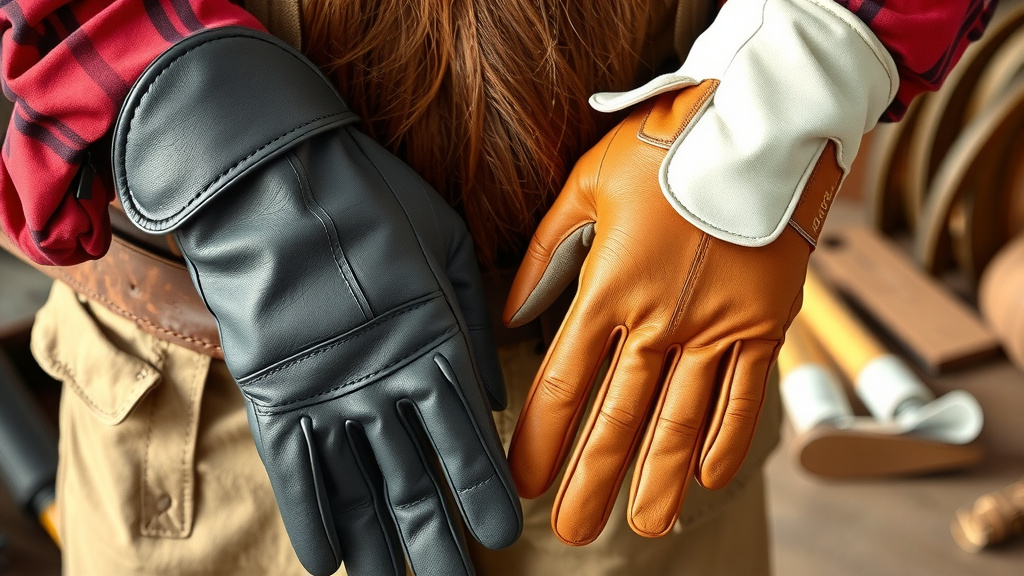
Both cowhide and goatskin are excellent materials when used for their intended purposes. We found that understanding their core strengths makes selecting the right pair much simpler. Consider these points, and you’ll be well on your way to finding gloves that fit your needs perfectly.
“`
Conclusion
You’ve learned that cowhide gloves offer robust protection and impressive durability for demanding tasks. They might need a little break-in time, but they’re built to last. Goatskin gloves, on the other hand, provide superior flexibility and a soft feel right out of the box, making them perfect for jobs needing dexterity. We found that the best glove for you truly depends on the work you’ll be doing. Consider your main activities and prioritize protection or precision to make your final choice.
To pick the right pair, think about your typical tasks. Do you need gloves for heavy-duty work or delicate crafts? Your answer will guide you to either the tough cowhide or the supple goatskin. We hope this helps you find gloves that feel just right for your hands.
Frequently Asked Questions
Are cowhide gloves good for welding?
Yes, cowhide gloves are often recommended for welding. Their superior durability and abrasion resistance provide excellent protection against sparks, heat, and rough materials commonly encountered in welding environments. We found they offer a reliable shield for welders.
Can I use goatskin gloves for gardening?
For light gardening tasks where you need good feel and flexibility, goatskin can work well. However, for heavy-duty gardening involving thorns or rough soil, cowhide might offer better protection and longevity. Goatskin’s thinner hide is less resistant to punctures.
How do I break in new cowhide gloves?
To break in cowhide gloves, wear them regularly for the tasks you intend to use them for. You can also gently flex and massage the leather. Some people use specialized leather conditioners, but we found that consistent wear is usually the most effective method for a custom fit.
Are goatskin gloves waterproof?
Generally, goatskin is not inherently waterproof, though some may have water-resistant treatments. It’s naturally more breathable than cowhide, which is a benefit, but it can absorb water. For true waterproofing, you’d typically look for specialized coatings or materials.
Which type of glove is better for driving?
Goatskin gloves are usually preferred for driving. Their exceptional suppleness and flexibility allow for a superior feel of the steering wheel and precise control. We found that they offer a comfortable, second-skin fit that doesn’t hinder your ability to operate a vehicle safely.