Class 0 vs 00 Gloves: What’s the Difference
Class 0 and Class 00 gloves are both designed for electrical insulation, but they protect against different voltage levels. Class 00 gloves offer protection for up to 500 volts AC, while Class 0 gloves are rated for up to 1,000 volts AC. Choosing the right class is essential for your safety on the job.
When working near electricity, the correct protective gear is non-negotiable. Understanding the voltage rating of your insulated gloves ensures you’re properly shielded. We found that both Class 00 and Class 0 gloves are made from rubber or neoprene, but their maximum safe usage voltage is the key differentiator for your protection.
- Class 00 gloves protect up to 500 volts AC.
- Class 0 gloves protect up to 1,000 volts AC.
- Both are made from insulating materials like rubber.
- Voltage rating is the main difference.
- Safety depends on using the correct glove class.
Let’s dive into the specifics of Class 0 vs. Class 00 gloves so you can make the safest choice for your work.
“`htmlUnderstanding Electrical Insulating Gloves: Class 0 vs. Class 00
When you’re working with electricity, having the right protective gear isn’t just a good idea; it’s absolutely essential. Your hands are your primary tools, and keeping them safe from electrical hazards is your top priority. Today, we’re focusing on two common types of insulated gloves: Class 00 and Class 0. They look similar, but their protective capabilities are quite different. Let’s break down what makes them distinct and how to choose the right one for your job.
The Core Difference: Voltage Protection
The biggest difference between Class 00 and Class 0 gloves comes down to the maximum voltage they are designed to protect you from. Think of it like different safety ratings for a helmet; you wouldn’t use a bike helmet for motorcycle racing, right? It’s the same principle here.
Class 00 Gloves: Your First Line of Defense
Class 00 gloves are the lowest rated in the insulated glove family. We found that these gloves are intended for use on or near circuits that are de-energized. However, they can also be worn as a protective layer when working on or near energized circuits that are rated for lower voltages. They are rated for a maximum use voltage of 500 volts AC. This is like having a sturdy shield for lower-risk electrical tasks. Many safety guidelines suggest these for electricians working in residential settings where voltages might not be as high as industrial sites (NFPA 70E).
Class 0 Gloves: Stepping Up the Protection
Class 0 gloves offer a bit more protection. We found these gloves are rated for a maximum use voltage of 1,000 volts AC. This makes them suitable for a wider range of electrical work. If your job involves systems operating up to this voltage, Class 0 gloves are the minimum you should consider. They are often used in utility work or industrial environments where higher voltage systems are more common. This upgrade in protection is vital for preventing serious injury.
What Are These Gloves Made Of?
You might be wondering what gives these gloves their protective qualities. It’s all about the materials. Both Class 00 and Class 0 gloves are typically made from high-grade insulating materials. The most common materials are natural rubber or neoprene. These materials are chosen for their excellent dielectric properties, meaning they resist electrical current.
The Science Behind the Material
Manufacturers use a carefully controlled manufacturing process. They ensure the rubber or neoprene is free from any flaws or impurities that could create a weak spot for electricity to travel through. We found that the thickness and composition of the material are key factors in achieving the required voltage protection. It’s a sophisticated blend of science and engineering to create a reliable barrier.
When to Choose Which Class: Practical Scenarios
Deciding between Class 00 and Class 0 gloves often depends on the specific work environment and the voltage levels you’ll be encountering. It’s not a one-size-fits-all situation.
Situations Calling for Class 00 Gloves
If you’re working primarily with low-voltage systems, such as standard household wiring or control circuits that operate well below 500 volts AC, Class 00 gloves are likely sufficient. Think about tasks like installing light fixtures or working on communication systems. As long as the voltage is confirmed to be below 500 AC, these gloves provide a good safety margin.
Situations Calling for Class 0 Gloves
Now, if your work regularly brings you near circuits up to 1,000 volts AC, Class 0 gloves are your go-to. This might include working on certain types of industrial machinery, power distribution panels, or utility pole work. Always confirm the voltage rating of the equipment you’re working with. When in doubt, it’s always safer to opt for the higher protection level.

Beyond Voltage: Other Important Considerations
While voltage rating is the primary differentiator, there are other factors to keep in mind for overall hand safety.
Fit and Comfort: Making Safety Usable
Even the best gloves won’t protect you if you don’t wear them or if they hinder your ability to work. We found that a proper fit is essential. Gloves that are too tight can restrict movement and cause fatigue. Gloves that are too loose can be cumbersome and may not provide a snug seal against your sleeves. Many manufacturers offer different sizes, so take the time to find a pair that feels comfortable and allows you to maintain good dexterity. You want to feel secure, not encumbered.
Inspection and Maintenance: A Non-Negotiable Routine
This is a big one, folks. Insulated gloves need regular care. Before each use, you absolutely must inspect them. Look for any signs of damage, such as cuts, nicks, punctures, ozone cracking, or abrasions. We found that even a small defect can compromise the glove’s electrical resistance. Many safety professionals recommend performing a visual inspection and an air inflation test (by holding the cuff and squeezing the rest of the glove) to check for leaks. If you find any damage, the gloves must be taken out of service immediately. Regular testing by a qualified lab is also required by standards like ASTM F496, which governs insulating gloves.
Using Leather Protectors: An Extra Layer of Safety
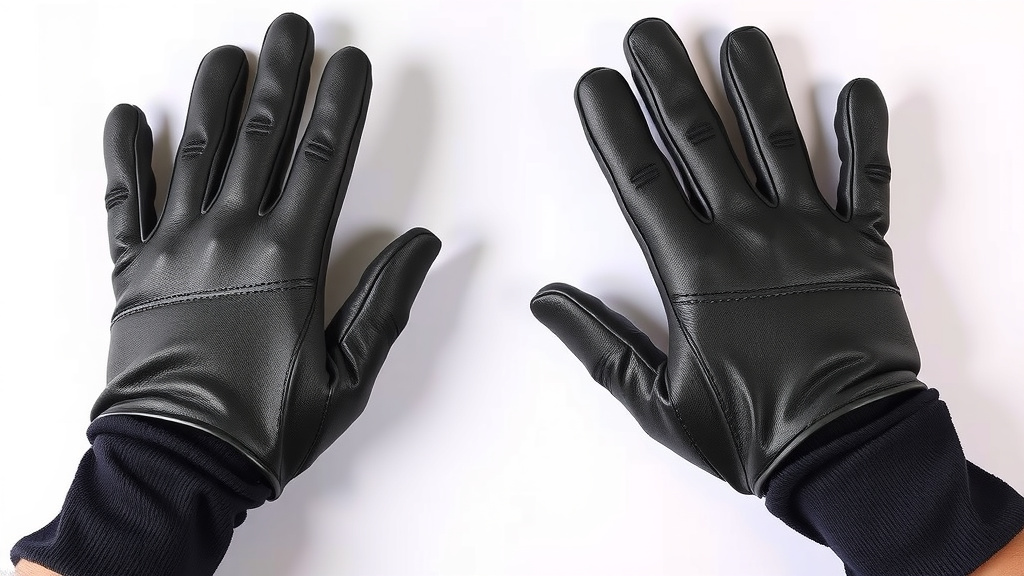
It’s common practice to wear leather protector gloves over your insulated rubber gloves. Why? These leather gloves act as a physical barrier. They protect the insulating rubber gloves from mechanical damage, such as cuts, snags, and punctures. This extra layer helps extend the life of your rubber gloves and adds another level of safety by shielding them from everyday wear and tear. Many experts say this is a critical step for maintaining the integrity of your primary electrical protection (OSHA).
Making the Smart Choice for Your Safety
So, how do you decide? It boils down to knowing your work environment and the potential electrical hazards.
| Glove Class | Maximum Use Voltage (AC) | Typical Applications |
|---|---|---|
| Class 00 | 500 V | Low-voltage systems, residential wiring, control circuits. |
| Class 0 | 1,000 V | Industrial machinery, power distribution, utility work up to 1,000V. |
Here’s a quick checklist to help you determine your needs:
- Know the voltage rating of the circuits you’ll be working on.
- Always err on the side of caution – choose a higher class if unsure.
- Inspect your gloves thoroughly before every single use.
- Ensure the gloves fit properly for comfort and maximum protection.
- Consider wearing leather protector gloves over your insulating gloves.
- Follow manufacturer guidelines for care and testing.
By understanding these distinctions and following best practices, you can ensure you’re choosing the right electrical insulating gloves to keep yourself safe on the job.
“`Conclusion
Understanding the difference between Class 00 and Class 0 electrical insulating gloves is vital for your safety. Remember, Class 00 gloves protect up to 500 volts AC, making them suitable for lower-risk tasks. Class 0 gloves step up protection to 1,000 volts AC, ideal for more demanding electrical work. Always verify the voltage of your work environment and choose accordingly. Never forget the importance of proper fit, rigorous inspection before each use, and the added protection of leather outer gloves. Your safety is directly linked to using the right gear correctly.
Frequently Asked Questions
Can I use Class 00 gloves for any work above 500 volts AC?
No, you absolutely should not. Class 00 gloves are rated for a maximum use of 500 volts AC. Exceeding this voltage rating puts you at serious risk of electrical shock or injury. Always consult your job’s voltage requirements.
Are Class 0 gloves always necessary for industrial electrical work?
Not necessarily for all industrial tasks, but they are often required. If your work involves systems operating between 500 and 1,000 volts AC, Class 0 gloves are the minimum standard. For higher voltages, you would need even higher-rated gloves, like Class 1, 2, or 3.
How often should I have my insulated gloves tested?
Beyond your daily inspections, standards like ASTM F496 require periodic laboratory testing. Most guidelines suggest testing every 6 to 12 months, depending on usage and manufacturer recommendations. This ensures their dielectric integrity is maintained over time.
What is the difference between AC and DC voltage ratings for gloves?
The article focuses on AC (Alternating Current) voltage ratings, which are most common. DC (Direct Current) presents different electrical challenges, and while materials might be similar, the voltage ratings and testing procedures for DC can differ. Always confirm the specific type of current you’ll be working with.
Can I wear my regular work gloves over Class 00 or Class 0 gloves?
No. You should only wear dedicated leather protector gloves over your insulating rubber gloves. Regular work gloves are not designed to protect the rubber from mechanical damage and could potentially compromise the insulation. Leather protectors offer the right kind of physical shielding.