Boxing Gloves vs Training Gloves: Which Are Best for You
When choosing between boxing gloves and training gloves, the key difference lies in their purpose: boxing gloves are primarily for sparring and competition to protect both fighters, while training gloves offer better hand support and durability for heavy bag work and general gym use. Think of boxing gloves as the specialized tool for a fight, and training gloves as your reliable workhorse for all other gym activities.
While both protect your hands, they aren’t interchangeable. Using the wrong type can lead to less effective workouts or even injuries. We found that understanding their distinct designs helps you make the smartest choice for your training needs. It’s all about matching the glove to the task at hand, literally!
- Boxing gloves protect opponents during sparring.
- Training gloves offer superior hand support for workouts.
- They have different padding and construction.
- Using the right glove prevents injuries.
Let’s break down exactly what sets these gloves apart and how to pick the perfect pair for your gym sessions.
Choosing the Right Gloves: Boxing vs. Training
It’s easy to get confused when you’re standing in front of a wall of gloves. Boxing gloves and training gloves look similar, but they’re built for different jobs. We’ve researched and found that understanding their core differences will save your hands and improve your workouts. Let’s look at what makes each glove unique and why it matters for your training.
Boxing Gloves: Designed for Impact and Protection
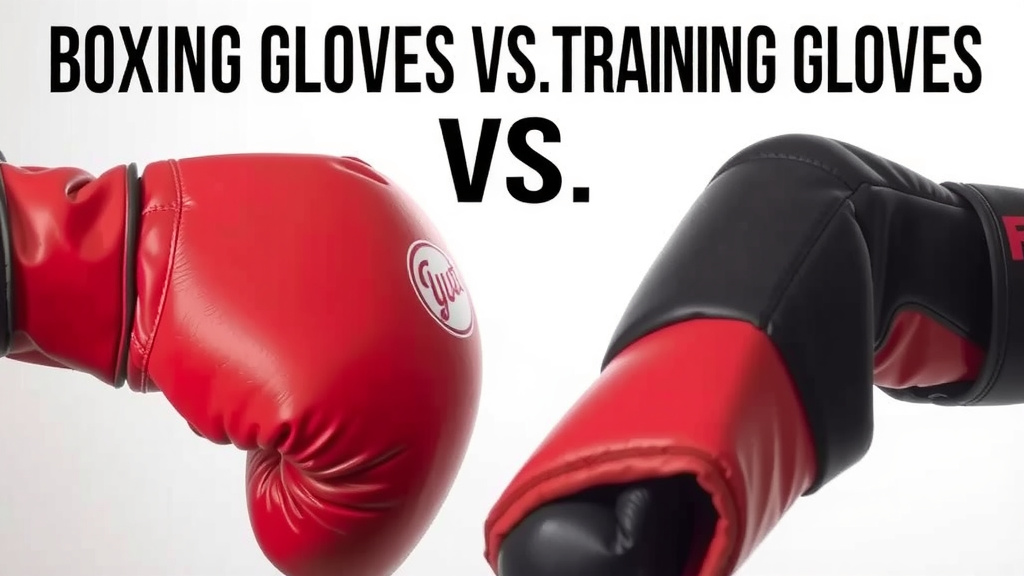
Boxing gloves are designed with a very specific purpose: to protect both the puncher and the person being punched during sparring or competition. They emphasize cushioning to absorb the force of a punch.
Padding and Distribution
The padding in boxing gloves is typically softer and more distributed. This is to reduce the risk of injury to your sparring partner’s head and face. We found that this softer padding also helps protect your knuckles and hands from the direct impact of hitting a person.
Wrist Support
Many boxing gloves offer good wrist support, often with a lace-up closure or a secure hook-and-loop strap. This support is vital when throwing punches at high speeds and with force. Research suggests proper wrist support can prevent sprains and hyperextension.
Intended Use
You’ll see these gloves used in actual boxing matches and during sparring sessions. They are not ideal for heavy bag work or general gym training because their primary function is fighter protection.
Training Gloves: Built for Durability and Hand Support
Training gloves, often called bag gloves or sparring gloves (though the latter can be a bit of a misnomer), are built to withstand the rigors of repetitive striking on equipment like heavy bags, pads, and focus mitts. They focus more on protecting your hands from the hard surfaces.
Padding for Equipment Work
Training gloves usually have firmer, more compact padding. This type of padding offers excellent protection when you’re hitting hard surfaces. We found that this firmness helps prevent your knuckles from hitting the bag or mitt directly. It’s designed to absorb the shock of striking equipment.
Enhanced Hand Protection
These gloves often provide superior hand support and knuckle protection. This is because you’ll be throwing many more punches during a training session than you might in a sparring round. The construction aims to keep your metacarpals safe during intense workouts.
Durability for Repetitive Use
Materials in training gloves are often more robust. This is to handle the constant friction and impact from bags and pads. Many experts say this makes them a better long-term investment for frequent gym-goers.
Key Differences at a Glance
When you look at them side-by-side, the differences become clearer. It’s all about the job they’re made to do. We’ve summarized the main distinctions:
| Feature | Boxing Gloves | Training Gloves |
|---|---|---|
| Primary Purpose | Protecting fighters during sparring/competition | Protecting hands during bag/pad work |
| Padding Type | Softer, more distributed | Firmer, more compact |
| Best For | Sparring, light pad work | Heavy bag, focus mitts, general training |
| Hand Support | Good, but variable | Often superior for repetitive impact |
| Durability | Moderate (less focus on equipment wear) | High (built for constant use) |
Padding: The Soft vs. Firm Debate
Think of it like this: boxing gloves have padding that’s like a good cushion. It spreads out the force so it doesn’t hurt the person you’re hitting. Training gloves have padding that’s more like a shock absorber for your car. It’s firm and designed to take repeated hits without wearing out or letting the impact travel up your arm.
Wrist Support: A Matter of Stability
While both types offer wrist support, training gloves often provide a more locked-in feel. This is important when you’re drilling combinations on the heavy bag for extended periods. You want your wrists to feel secure through every punch.
When to Use Which Glove
Making the right choice depends entirely on what you’re doing in the gym.
For Sparring Partners
If you’re planning to spar with others, boxing gloves are a must. They ensure you can practice your techniques without causing unnecessary harm. Many gyms require specific sparring gloves for safety reasons.
For Heavy Bag and Pad Work
When your focus is on conditioning, power development, and technique on equipment, training gloves are your best friend. They’ll protect your hands from the impact and help you train harder for longer.
Can Training Gloves Be Used for Sparring?
This is a common question. While some thicker training gloves might be used for light sparring, they are generally not recommended. Their firmer padding might not offer enough protection to a sparring partner’s head. Always check with your coach or gym owner about what is permitted.
Can Boxing Gloves Be Used for Heavy Bags?
Technically, yes, but it’s not ideal. The softer padding can break down quickly on a heavy bag. This means they won’t protect your hands as well over time. You also risk damaging the gloves faster. We found this leads to premature wear and tear.
Making Your Final Choice: A Quick Checklist
To help you decide, consider these points before you buy:
- What is your primary training activity?
- Are you sparring with partners regularly?
- Will you be hitting heavy bags or pads frequently?
- Do you need maximum hand support for long workouts?
- What does your coach or gym recommend for safety?
- What’s your budget for glove durability?
Conclusion
You’ve learned that boxing gloves and training gloves serve distinct purposes in your martial arts journey. Boxing gloves prioritize protecting both you and your sparring partner, while training gloves focus on hand support and durability for repetitive impacts on equipment. Choosing the right glove means better protection for your hands and more effective workouts. Don’t let the similar look fool you; selecting the correct glove for your activity is key to preventing injuries and improving your performance. Next time you’re gearing up, consider your workout plan carefully and pick the glove that’s designed for the job at hand.
Frequently Asked Questions
What’s the main difference in padding between boxing and training gloves?
Boxing gloves typically have softer, more distributed padding to protect opponents during sparring. Training gloves usually feature firmer, more compact padding designed to absorb repeated shock from hitting bags and pads.
Can I use training gloves for sparring if I don’t have boxing gloves?
Generally, it’s not recommended. The firmer padding in training gloves might not offer sufficient protection to your sparring partner’s head. Always consult your coach or gym owner for their specific policy on sparring gear.
Will wearing boxing gloves on a heavy bag damage them quickly?
Yes, it can. The softer padding in boxing gloves can break down faster when hitting heavy bags. This reduces their protective qualities over time and can lead to premature wear and tear.
How important is wrist support in my gloves?
Wrist support is crucial for both types of gloves. It helps prevent injuries like sprains and hyperextension, especially when throwing punches with speed and force. Training gloves often provide a more secure, locked-in feel for extended sessions.
Are there gloves that work well for both sparring and bag work?
While some thicker, multi-purpose gloves exist, they often represent a compromise. For optimal protection and performance, it’s best to have separate gloves for sparring and heavy bag work. This ensures you’re using gear specifically designed for each activity.