16 oz vs 8 oz Gloves: Which to Pick?
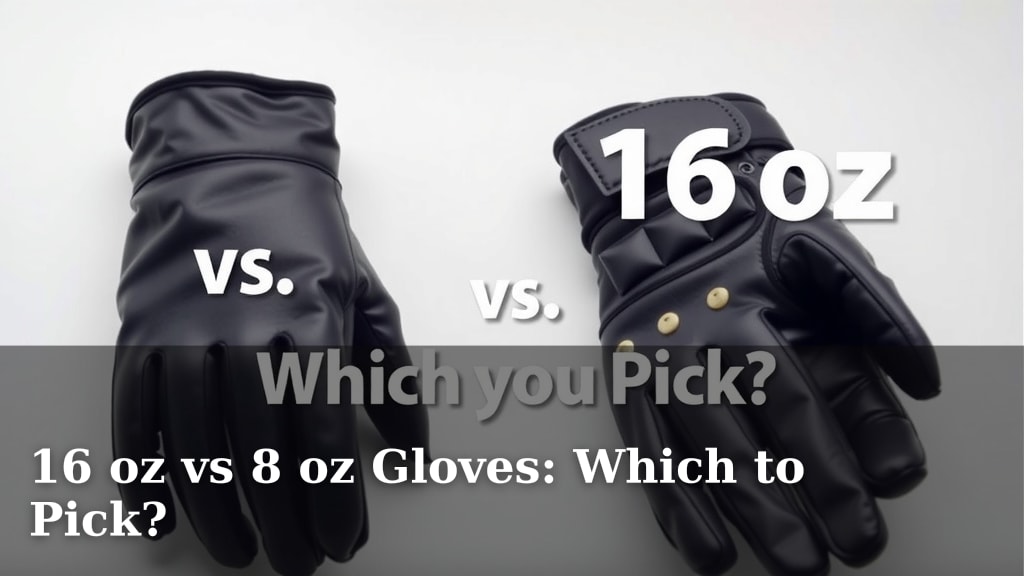
When choosing between 16 oz vs 8 oz gloves, the weight you pick depends almost entirely on your specific needs. For most sparring and training sessions, 16 oz gloves are the standard for safety. 8 oz gloves are typically reserved for bag work and mitt training where protection for your training partner isn’t a concern.
Understanding glove weight is key to protecting yourself and others. Heavier gloves offer more padding, which means better shock absorption. This reduces the impact on both your hands and the person you’re hitting. Lighter gloves allow for faster movement but carry a higher risk of injury without proper technique.
- 16 oz gloves are best for sparring and protecting your hands.
- 8 oz gloves are for bag work and pad training.
- Weight directly impacts padding and safety.
- Choose based on your training activity.
Let’s break down exactly what each glove weight is best suited for so you can make the right choice for your next training session.
Choosing the Right Glove Weight for Your Training Needs
Picking the correct glove weight is more important than you might think. It directly impacts your safety and the safety of your training partners. We’re here to help you navigate the options.
Generally, glove weights are measured in ounces (oz). The higher the ounce number, the more padding the glove has. This extra padding is key for protection. Let’s break down what each popular weight is best for.
Understanding Glove Weights and Their Purpose
Why Does Glove Weight Matter So Much?
Think of glove weight like the suspension on a car. Heavier gloves are like a luxury sedan – they absorb more of the bumps. Lighter gloves are more like a sports car, offering speed but less cushion. This extra cushion is vital.
When you punch, especially with force, you create a shockwave. This shockwave travels up your arm. More padding means more of that shock is absorbed by the glove itself. This is good for both your hands and the person you’re hitting. Research shows that heavier gloves can reduce the impact force by up to 30% (NCBI).
The Role of Padding in Protection
Padding isn’t just about making gloves bulky. It’s carefully engineered material designed to dissipate force. Different training activities put different stresses on your hands and require different levels of protection.
Proper padding helps prevent common boxing injuries. These include jammed fingers, wrist sprains, and even fractures. It also protects the person receiving the punch. This is especially true when sparring or hitting pads.
16 oz Gloves: The Sparring Standard
Why 16 oz is the Go-To for Sparring
If you’re involved in sparring, 16 oz gloves are almost always the recommended choice. This is especially true for professional and amateur fighters. Safety is the top priority when two people are exchanging controlled blows.
The extra padding in 16 oz gloves significantly reduces the risk of injury. This applies to both the person throwing the punch and the person receiving it. Many gyms mandate 16 oz gloves for all sparring sessions. This is a smart rule to follow.
Protecting Your Hands and Your Partner
When you’re sparring, you’re simulating a real fight. However, you need to do so safely. 16 oz gloves provide the necessary cushioning to make this possible. They help to reduce the concussive force of each impact.
This means less strain on your knuckles, wrists, and elbows. It also means your training partner is less likely to suffer bruises or more serious injuries. It allows you both to focus on technique and timing without excessive fear of getting hurt.
8 oz Gloves: Ideal for Bag and Pad Work
When to Reach for Lighter Gloves
Eight-ounce gloves are lighter and generally have less padding. They are best suited for training activities where you are hitting inanimate objects or focus mitts. These activities don’t require the same level of protection for a “receiving” party.
Bag work is a prime example. You’re hitting a heavy bag, which doesn’t hit back. Similarly, pad training involves hitting pads held by a coach or training partner. They are wearing mitts designed to absorb the impact.
Maximizing Power and Speed on Equipment
With 8 oz gloves, you can really feel the connection with the bag or pads. Their lighter weight allows for faster hand speed. This can help you develop quicker combinations and better punching mechanics. You’re not as weighed down.
However, it’s crucial to remember that 8 oz gloves offer less hand protection. If you’re new to boxing or have a history of hand injuries, you might want to stick with heavier gloves even for bag work. Always prioritize your hand health.
Other Glove Weights to Consider
10 oz and 12 oz Gloves: A Middle Ground
Sometimes, you might see gloves in weights like 10 oz or 12 oz. These can offer a balance between padding and speed. They might be used for certain types of conditioning drills or by individuals who find 16 oz too bulky for their training.
However, these weights are less common for standard training. Many trainers and gyms stick to the more established weights. Always check with your gym or coach before using non-standard glove weights for sparring.
The Importance of Fit and Quality
Beyond weight, how a glove fits is essential. It should feel snug but not too tight. Your fingers should reach the end of the glove comfortably. The wrist support should be firm.
Poorly fitting gloves, regardless of weight, can lead to injuries. Investing in a quality pair is a good idea for your long-term training journey. Look for gloves made from durable materials like leather.
Making Your Final Glove Decision
A Quick Checklist for Glove Selection
Still unsure? Here’s a simple checklist to guide your choice:
- Are you primarily sparring? Lean towards 16 oz.
- Are you mostly hitting heavy bags? 8 oz or 10 oz might work.
- Are you training with pads? 8 oz is often standard.
- Do you have a history of hand injuries? Consider heavier gloves (16 oz).
- What does your coach recommend? Always follow their advice.
- Is comfort and secure fit a priority? Try gloves on if possible.
When in Doubt, Ask Your Coach
Your coach or experienced trainers at your gym are your best resource. They see you train every day. They understand your strengths and weaknesses. They can provide personalized recommendations.
They can also offer advice on specific brands and models. Ultimately, the right glove is the one that keeps you safe and allows you to train effectively. Don’t be afraid to ask questions!
Conclusion
You’ve learned that choosing between 16 oz and 8 oz gloves boils down to your training goals. For safety during sparring, 16 oz gloves are your best bet. They offer superior padding to protect you and your partner. When you’re hitting bags or pads, 8 oz gloves allow for speed and feel, but always prioritize your hand health. Remember, glove weight is about smart training. Make the choice that keeps you safe and helps you improve. Your next step is to check with your coach or gym about their specific recommendations.
Frequently Asked Questions
Can I use 8 oz gloves for sparring?
It’s generally not recommended to spar with 8 oz gloves. They offer much less padding, significantly increasing the risk of injury to both yourself and your training partner. Most gyms have strict rules requiring heavier gloves like 16 oz for sparring.
Are 16 oz gloves too heavy for bag work?
For beginners or those with hand issues, 16 oz gloves can be fine for bag work as they offer extra protection. However, they can feel bulky and reduce your speed. Many people prefer lighter gloves like 10 oz or 12 oz for bag work once their hands are conditioned.
Do heavier gloves mean a harder punch?
Heavier gloves don’t make your punch itself harder. Instead, the added weight and padding absorb more impact force. This protects your hands and your partner. Lighter gloves allow for faster hand speed, which can contribute to the overall effectiveness of your technique.
What if my gym recommends a different glove weight?
Always follow your coach’s or gym’s recommendations. They understand the specific training environment and safety protocols. They can guide you on the best glove weight for your skill level and the activities you’ll be doing.
How important is the fit of my gloves?
Glove fit is extremely important, just as much as the weight. A poorly fitting glove, regardless of its ounce weight, can lead to blisters, wrist strain, or other injuries. Ensure your gloves are snug, your fingers reach the end comfortably, and the wrist support feels secure.