Hockey vs Lacrosse Gloves: Which is Right for You
Hockey gloves and lacrosse gloves are not interchangeable. While both protect your hands, they are designed for different impacts and movements. Hockey gloves offer more padding for aggressive stick checks and puck impacts. Lacrosse gloves prioritize flexibility and grip for precise stickhandling.
Deciding which is best depends on your sport. We found that hockey gloves provide superior protection against blunt force. Lacrosse gloves focus on keeping your fingers agile and your grip secure on a faster-moving ball. Using the wrong gloves can lead to injury or hindered performance.
- Hockey gloves = heavy protection.
- Lacrosse gloves = agility and grip.
- They are built for different sports.
- Using the wrong ones can be risky.
Let’s break down the key differences so you can pick the right pair for your game.
Understanding the Differences in Hand Protection for Sports
When you’re hitting the field or the ice, your hands are working overtime. They need protection, but not all hand protection is created equal. Hockey gloves and lacrosse gloves are designed with different sports in mind. We’ve found they offer distinct features for different types of play.
Hockey gloves are built for heavy-duty protection. Think of blocking shots or dealing with hard pucks. Lacrosse gloves, on the other hand, focus on agility and grip. This is key for handling a fast-moving ball and making quick stick moves.
Hockey Gloves: Built for Impact Absorption
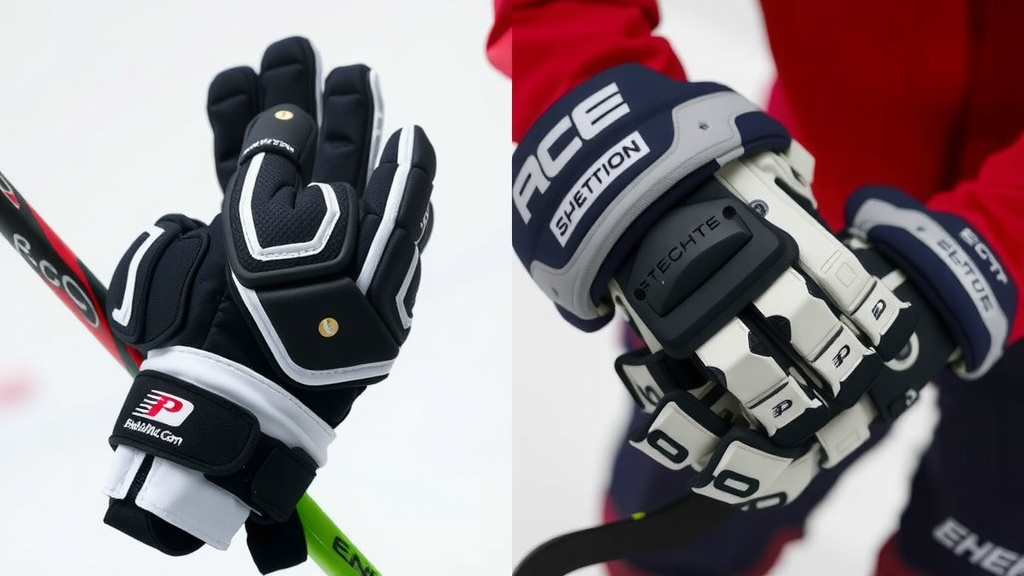
Hockey gloves are your best friend when it comes to absorbing blunt force trauma. They are padded extensively. This padding is designed to soak up the energy from hockey pucks and stick checks. You’ll find a lot of foam and plastic reinforcement in these gloves.
Padding and Protection in Hockey Gloves
The main goal of hockey gloves is to prevent injuries from impacts. They feature thick layers of high-density foam. These foams are often combined with plastic inserts. These inserts are strategically placed in key areas like the back of the hand and fingers. This design helps to distribute the force of a hit.
We found that the amount of padding can vary. Higher-end gloves often use lighter, more advanced foams. These still offer excellent protection. Cheaper gloves might have denser, heavier padding. This can sometimes affect dexterity. But the core purpose remains: impact absorption.
Fit and Flexibility for Hockey
While protection is king, hockey gloves still need to allow for some hand movement. They typically have a slightly looser fit than lacrosse gloves. This extra space accommodates the thick padding. You’ll often see segmented finger designs. This helps with flexing your hand. But they are not designed for fine motor skills.
Hockey players need to grip their sticks firmly. The palms of hockey gloves are usually made of durable leather or synthetic material. They offer a good grip. However, they are not typically designed for the same level of tactile feedback as lacrosse gloves. Your fingers will feel protected, but perhaps a bit less nimble.
Lacrosse Gloves: Prioritizing Dexterity and Control
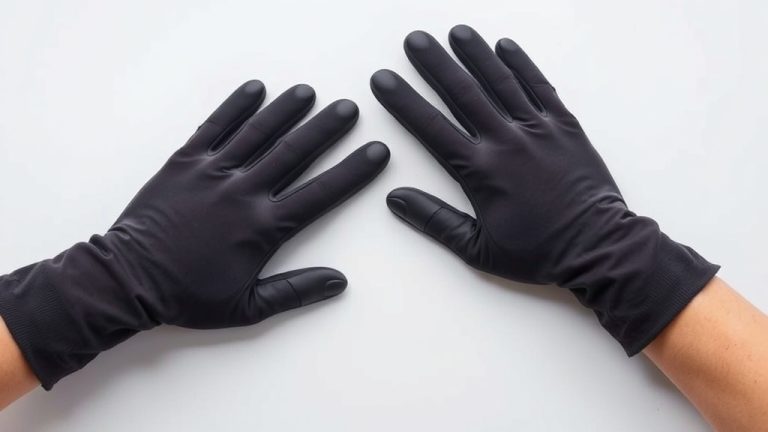
Lacrosse gloves are all about dexterity and control. The sport involves a lot of quick stick movements and precise ball handling. These gloves need to let your fingers move freely. They also need to provide a secure grip on the lacrosse stick.
Design for Agility and Stickhandling
Lacrosse gloves have much less padding than hockey gloves. The padding is typically thinner and more strategically placed. It focuses on protecting against abrasions or lighter impacts. The main emphasis is on flexibility. This allows players to perform complex stick tricks and catch passes with confidence.
We researched the construction. Many lacrosse gloves feature ventilated backs. This helps keep your hands cool and dry. Dry hands mean a better grip. The finger stalls are often more form-fitting. This improves the connection between your hand and your stick. You’ll feel the stick better.
Grip and Feel in Lacrosse Gloves
The palm of a lacrosse glove is a critical component. It’s often made from a special material designed for maximum grip. Many use synthetic leathers or specialized fabrics. These materials offer excellent tackiness, even when wet. This is vital for controlling a fast-moving lacrosse ball.
You’ll find that lacrosse gloves offer a much more direct feel of your stick. This sensitivity allows for better control during shooting, passing, and cradling. While they offer some protection, it’s not their primary function. They protect more from cuts and scrapes than from heavy impacts.
Key Differences at a Glance
Let’s break down the core distinctions. It’s like comparing a padded armor vest to a flexible, high-grip driving glove.
| Feature | Hockey Gloves | Lacrosse Gloves |
|---|---|---|
| Primary Purpose | Impact Protection | Dexterity & Grip |
| Padding | Thick, extensive foam & plastic | Thin, strategic padding |
| Flexibility | Moderate, designed for hand flex | High, designed for finger freedom |
| Grip | Good, durable palm | Excellent, specialized materials |
| Feel/Sensitivity | Lower, more muffled | Higher, direct stick feel |
| Typical Use | Blocking shots, puck impacts | Stickhandling, passing, shooting |
What Happens If You Wear the Wrong Gloves?
Using hockey gloves for lacrosse can feel cumbersome. You might find your stickhandling is sluggish. Your fingers won’t feel as responsive. This can affect your ability to make quick plays. It might even hinder your confidence on the field. Some players report a loss of feeling for the stick.
On the flip side, using lacrosse gloves for hockey is generally not recommended. The thin padding offers little defense against hard pucks or sticks. You’d be putting your hands at a much higher risk of injury. We found that while some recreational players might tolerate it, serious players would avoid this. The lack of protection is a major concern.
Think about it like this: would you wear running shoes to play basketball? Probably not. Each sport has gear designed for its specific demands. Your hands are important, and the right gear helps keep them safe and performing their best.
Choosing the Right Gloves for Your Sport
The decision is straightforward once you know what you need. Are you playing hockey? Then you need the robust protection hockey gloves offer. The padding is essential for dealing with the physical nature of the game.
Are you playing lacrosse? Then you’ll benefit more from the agility and fine motor control that lacrosse gloves provide. The enhanced grip and flexibility are key to mastering the stickwork involved in lacrosse.
We found that many young athletes might try to use one pair for multiple sports. While tempting for cost-saving, it’s often a compromise. It’s best to invest in gear specifically designed for the sport you’re playing. This ensures you have the right protection and performance benefits.
Quick Checklist for Glove Selection
When you’re ready to pick out your new gloves, keep these points in mind:
- Your Sport: Hockey or Lacrosse? This is the biggest factor.
- Protection Level: Do you need heavy padding or more flexibility?
- Fit: Do they feel comfortable? Can you move your fingers well?
- Grip: Does the palm material feel tacky and secure?
- Durability: Are they built to last through your season?
- Ventilation: Will your hands stay cool and dry during play?
Conclusion
You’ve learned that hockey gloves and lacrosse gloves are distinct tools for different jobs. Hockey gloves offer serious padding for impact protection, while lacrosse gloves prioritize your fingers’ agility and a firm grip. Using the wrong gloves risks injury and hampers your performance. We’ve seen that the design differences are clear: heavy protection for hockey versus flexibility and control for lacrosse. Your next step is simple: choose the gloves built specifically for the sport you play. This ensures you stay safe and play your best.
Frequently Asked Questions
Can I use hockey gloves for playing lacrosse?
While you might technically be able to wear hockey gloves for lacrosse, it’s not ideal. The bulkiness of hockey gloves can make stickhandling feel sluggish and reduce your control. You might also experience a loss of tactile feel for your stick, impacting your game.
Are lacrosse gloves safe for hockey?
No, lacrosse gloves are generally not safe for playing hockey. They lack the extensive padding needed to protect your hands from hard puck impacts and stick checks. Wearing them for hockey significantly increases your risk of serious hand injuries.
Do lacrosse gloves offer any protection?
Yes, lacrosse gloves offer some protection. Their design focuses on shielding your hands from abrasions, cuts, and lighter impacts common in lacrosse. However, this protection is minimal compared to the robust padding found in hockey gloves.
Why do hockey gloves feel so much bulkier?
Hockey gloves are bulkier because their primary purpose is impact absorption. They are packed with thick layers of foam and plastic inserts to cushion your hands from high-force impacts like puck shots and stick collisions. This extra padding naturally adds volume.
Which gloves are better for grip?
Lacrosse gloves generally offer a superior grip. Their palms are often made from specialized materials designed for maximum tackiness, even when wet. This enhanced grip is essential for controlling a lacrosse ball during fast-paced plays.