How to Measure Your Glove Size Accurately
Finding the right glove size is simpler than you might think! You can figure out your glove size by measuring the circumference of your palm. This measurement, combined with a handy chart, will tell you your perfect fit. Don’t worry, it only takes a minute and ensures your gloves will feel just right.
Getting the right size is key for comfort and function. Whether it’s for sports, work, or fashion, gloves that fit well prevent blisters and improve grip. We’ve found that a snug, but not too tight, fit is the goal for most activities. Let’s make sure your hands are happy!
- Measure your palm circumference.
- Use a sizing chart to find your glove size.
- Consider the glove’s intended use for fit.
- A proper fit means comfort and better performance.
Ready to ditch the ill-fitting gloves? Let’s walk through exactly how to measure your hand and find that perfect pair.
Figuring Out Your Glove Size Made Easy
So, you’ve got a hankering for some new gloves, but the sizing chart looks like a foreign language? Don’t sweat it! We’ve all been there. The good news is, finding your perfect glove size is really quite straightforward. It mostly boils down to one simple measurement.
We’ve found that most glove manufacturers use a standard method. This ensures you can confidently pick a pair that feels just right. Let’s get your hand measured so you can get back to enjoying your activities.
The Key Measurement: Your Palm Circumference
The most important number you need is the circumference of your dominant hand’s palm. This is the measurement that glove makers rely on. It’s a quick and easy step that makes all the difference.
What You’ll Need
You probably have everything you need right in your home. Grab a soft measuring tape. If you don’t have one, a piece of string or even a ribbon will work. Just make sure it’s not stretchy. You’ll also need a ruler or a standard measuring tape to read the length of the string.
How to Measure Your Palm
First, extend your dominant hand. You know, the one you write with or throw a ball with. Keep your fingers together and your hand flat. Don’t clench your fist. You want a relaxed, natural position.
Now, take your soft measuring tape or string. Wrap it around the widest part of your palm. This is usually right below your knuckles, across the base of your fingers. Make sure the tape is snug but not tight. You don’t want to squeeze your hand!
If you’re using a string, mark where the end meets the rest of the string. Then, lay the string flat against a ruler or standard measuring tape to get the measurement in inches or centimeters.
What About Thumb Length?
Some charts might ask for thumb length, but palm circumference is the primary measurement for most gloves. If a specific glove brand or type (like work gloves) does require thumb length, measure from the base of your thumb to the tip of your thumb. Again, keep your hand relaxed.
Decoding the Glove Size Chart
Once you have your palm circumference, you’re ready to consult a glove size chart. These charts are your best friend in the quest for the perfect fit. Remember, sizes can vary slightly between brands, so it’s always good to check the specific chart for the gloves you’re interested in.
Where to Find Size Charts
Most online retailers will have a sizing guide directly on the product page. If you’re shopping in person, look for a chart near the glove display. Sometimes, the packaging itself will have the sizing information.
Using the Chart: A Simple Conversion
Glove size charts typically convert your palm measurement into a glove size number. For men’s gloves, this is often a range of numbers (e.g., 8, 9, 10). For women’s gloves, it might be letters (e.g., S, M, L) or numbers. We found that most charts use inches for these conversions.
For example, a palm circumference of 8 inches might correspond to a size 9 glove in one brand, while another might list it as a medium. You’ll usually see something like:
| Palm Circumference (Inches) | Glove Size (Approximate) |
|---|---|
| 7 – 7.5 | Small |
| 7.5 – 8 | Medium |
| 8 – 8.5 | Large |
| 8.5 – 9 | X-Large |
| 9+ | XX-Large |
Please note: This is a general guide. Always refer to the specific brand’s chart. The table above is for illustrative purposes only and may not reflect exact sizing for every manufacturer.
Understanding Different Glove Types and Fit
The ideal glove fit can depend on what you’ll be using them for. For instance, thin driving gloves might need to be snug for better feel. Bulky winter gloves might allow for a little more room to accommodate liners and for better insulation.
Sports Gloves
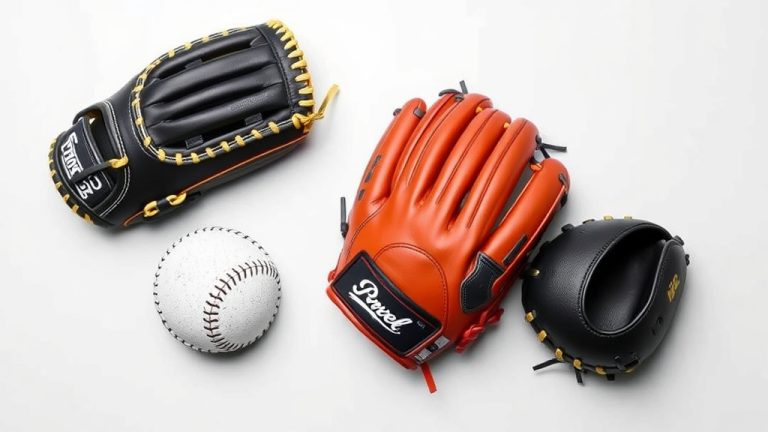
For sports like baseball, cycling, or weightlifting, a snug fit is usually best. This prevents slippage and offers better control. Too much extra space can lead to blisters or a loss of dexterity.
Work Gloves
Work gloves often need to be a bit more forgiving. You want enough room to wear liner gloves underneath if it’s cold. Also, some tasks require a bit more freedom of movement, so a slightly looser fit might be preferred for certain jobs. We found that proper fit here prevents hand fatigue.
Fashion Gloves
Fashion gloves are all about style and comfort. They can range from very fitted to more relaxed, depending on the look you’re going for. Again, your palm measurement is your starting point.
A Quick Checklist for Perfect Glove Fit
Ready to put this into action? Keep these points in mind:
- Measure your dominant hand’s palm circumference.
- Wrap the tape snugly, but not too tight.
- Use a brand-specific size chart if possible.
- Consider the glove’s intended use for fit preference.
- A glove should feel comfortable, not constricting.
- When in doubt, check reviews or contact the seller.
Conclusion
You’ve now got the knowledge to find your perfect glove size! Remember, the key is a simple palm circumference measurement. This quick step prevents discomfort and ensures your gloves perform their best. Don’t forget that different glove types might call for slightly different fits. Always check a brand’s specific size chart before you buy. Now you’re ready to confidently shop for gloves that feel like they were made just for you. Go ahead and grab that measuring tape – your hands will thank you!
Frequently Asked Questions
Do I need to measure both hands for glove size?
You only need to measure your dominant hand. This is typically the hand you write or throw with. Most glove manufacturers base their sizing on the circumference of this hand. The other hand might be slightly different, but the dominant hand measurement ensures the best fit.
Can I use a regular measuring tape to find my glove size?
Yes, you can use a regular measuring tape, but a soft measuring tape is often easier to wrap around your palm. If you use a standard tape, be gentle. A piece of string or ribbon works too; just mark where it overlaps and then measure the string against a ruler.
What if my measurement falls between two sizes on the chart?
When your measurement is between sizes, it’s usually best to size up, especially for gloves that might need to accommodate a liner or for activities where a slightly looser fit is preferred. For very snug-fitting gloves like driving gloves, you might consider the smaller size. It often comes down to personal preference and glove type.
How do I know if my gloves are too tight or too loose?
Gloves that are too tight will feel constricting and might restrict blood flow, making your fingers cold. They can also cause chafing. Gloves that are too loose will have extra material, especially in the fingers, and can make it hard to grip things properly or cause blisters from rubbing.
Do different materials affect glove sizing?
Yes, the material can influence how a glove fits and feels. Leather gloves, for instance, often stretch and mold to your hand over time. Fabric or synthetic gloves might offer less stretch. Always consider the material when interpreting the fit suggested by the size chart.