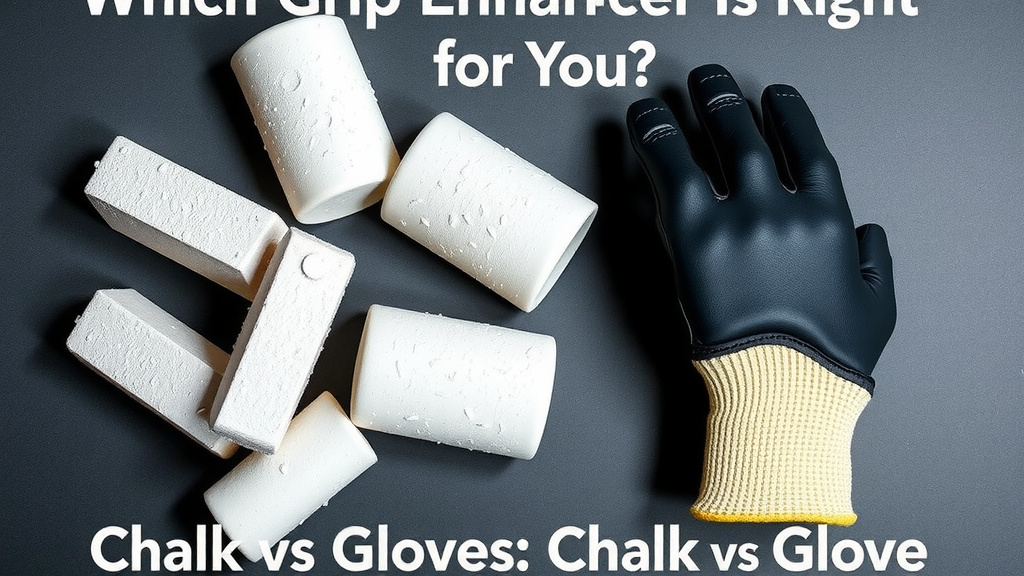
Chalk vs Gloves: Which Grip Enhancer is Right for You
When you’re lifting weights or doing gymnastics, chalk vs. gloves both help with grip. But for most gym-goers, chalk is the better choice for improving your hold on the bar. Gloves can actually make your grip worse by adding a slippery layer.
Chalk absorbs sweat, giving you a dryer, tackier surface. This means less slipping and more confidence in your lifts. Gloves, while offering protection, can sometimes hinder your natural connection with the equipment. We found that proper chalk application makes a big difference.
- Chalk absorbs sweat for a better grip.
- Gloves can actually make your hands slippery.
- Chalk is great for most gym exercises.
- Gloves might be useful for specific activities like hand protection.
Let’s break down which one is right for your workout routine.
Grip Enhancers: Chalk vs. Gloves for Your Workouts
When you’re looking for that extra edge in your training, you’ve probably wondered about chalk and gloves. Both aim to help you hold on tighter. But do they work the same way? We’ve looked into it, and for most gym activities, chalk is usually the winner for grip. Gloves can sometimes get in your way.
How Chalk Helps Your Grip
Think of chalk like a super-absorbent towel for your hands. It soaks up all that sweat. This leaves your skin feeling dry and tacky. That dryness is key for a solid connection with the barbell or equipment. It reduces the chance of slipping during critical lifts. This can boost your confidence and performance. Many lifters find it essential for heavy sets.
Understanding Gloves in the Gym
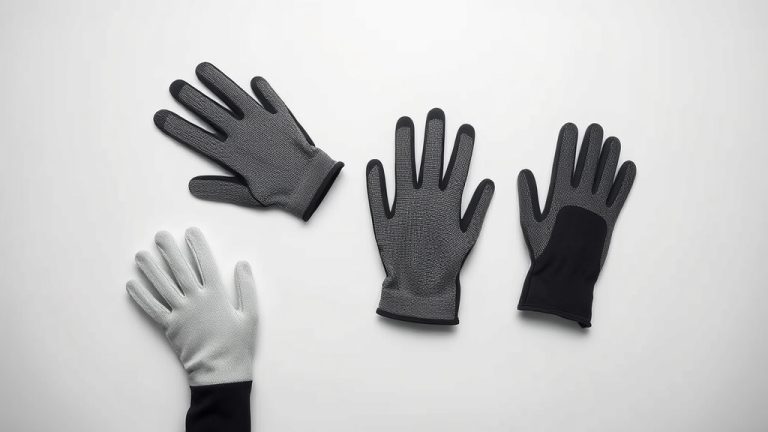
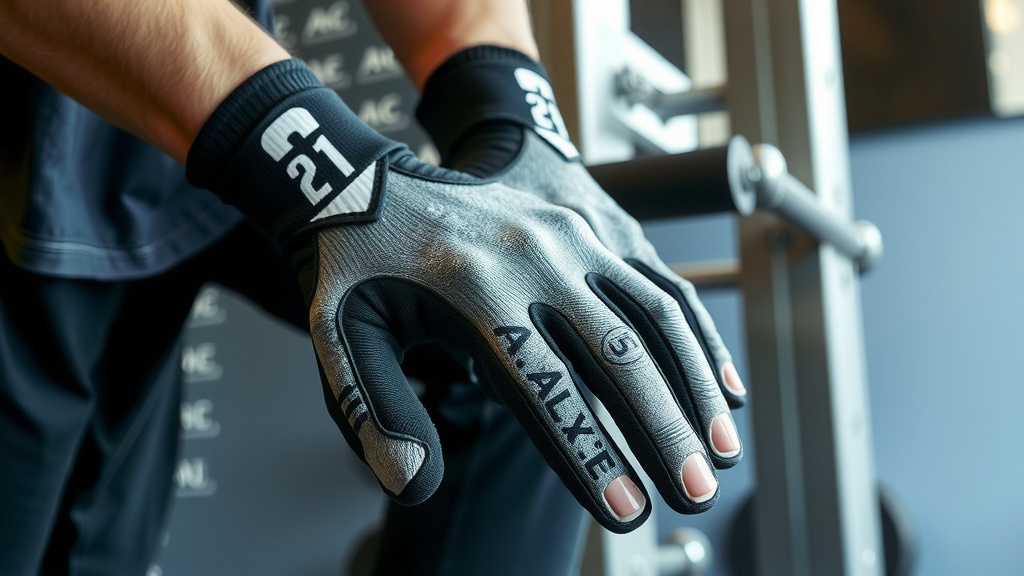
Gym gloves are designed to protect your hands. They can create a barrier between your skin and the equipment. Some people like them to prevent calluses or blisters. Others feel they offer a bit more padding. However, research suggests that the material of most gloves can actually make your grip less secure. It adds an extra layer that might feel slick.
The Slippery Issue with Gloves
When you sweat, that sweat can get trapped by the glove. Instead of drying your hand, it can make the inside of the glove damp. This moisture then can make your hand slide around inside the glove, and the glove slide on the bar. It’s like trying to grip something with wet plastic. Many studies show a decrease in grip strength when using certain types of gloves.
When Gloves Might Make Sense
While generally not ideal for pure grip, gloves can have their place. If you’re doing high-rep bodyweight exercises like pull-ups or ring work, they might offer some protection from friction. Some people use them for comfort during certain machine exercises. For activities like cycling or rowing, specialized gloves are often used for padding and vibration dampening.
Chalk: The Gym Go-To for Grip
Gym chalk, often magnesium carbonate, is a favorite for a reason. It’s lightweight and easy to apply. A quick dip of your hands into the chalk bin or a rub of a chalk ball can make a huge difference. It creates a friction surface. This helps you feel more “stuck” to the bar. This is especially helpful for exercises like deadlifts, cleans, and snatches. You can also use it for gymnastics and rock climbing.
Different Forms of Chalk
Chalk comes in a few forms. You have loose chalk in a bucket, which can be messy. Then there are chalk balls, which are easier to control. Liquid chalk is another option. It’s a chalk-and-alcohol mix that dries to a powdery finish. Many athletes find liquid chalk to be less messy and longer-lasting. It forms a tight bond with the skin.
Applying Chalk Effectively
Getting the most out of chalk involves a bit of technique. You want an even coating. Don’t overdo it, or your hands can feel too dry and chalky, which can also lead to slipping. Rub your hands together to distribute it evenly. If you’re using liquid chalk, apply a thin layer and let it dry completely. A good coating gives you a reliable, strong grip.
Comparing Chalk and Gloves Side-by-Side
Let’s lay it out clearly. Both have a purpose, but their primary function for grip training is different.
| Feature | Chalk | Gloves |
|---|---|---|
| Primary Benefit | Enhanced Grip (reduces slip) | Hand Protection (calluses, blisters) |
| Effect on Grip | Increases friction, creates tackiness | Can reduce friction, may add slippery layer |
| Sweat Management | Absorbs sweat effectively | Can trap sweat, leading to slipperiness |
| Feel & Connection | Direct contact, better bar feel | Barrier between hand and equipment |
| Best For | Weightlifting, powerlifting, gymnastics, general strength training | Activities where hand protection is key, some bodyweight exercises |
When to Choose Which
If your main goal is to improve your grip on barbells, dumbbells, kettlebells, or pull-up bars, chalk is almost always the superior choice. It directly addresses the issue of sweat interfering with your hold. For standard gym exercises where grip strength is paramount, you’ll likely see the best results with chalk. Think squats, deadlifts, overhead presses, and Olympic lifts.
Gloves are better suited for situations where preventing calluses or providing padding is the priority. They might be useful if you have a skin condition that needs protection. Or if you’re doing a specific activity where hand abrasion is a major concern. But if you’re looking to lift more weight or perform better with a secure hold, gloves might be holding you back.
Your Workout Checklist for Better Grip
Here’s a quick rundown to help you decide:
- Prioritize chalk for lifting weights.
- Apply chalk evenly for best results.
- Consider liquid chalk for less mess.
- Use gloves only if hand protection is your main need.
- Test both to see what feels best for your specific exercises.
- Remember: a secure grip builds confidence.
Conclusion
When it comes to improving your grip in the gym, chalk is generally your best bet. We found that it effectively absorbs sweat, creating a dry and tacky surface that helps you feel more secure on the bar. Gloves, while they offer protection, can often introduce a slippery layer that hinders your performance. For most strength training and weightlifting exercises, you’ll likely see better results by sticking with chalk. Make sure you apply it evenly for maximum benefit. So, for your next workout, reach for the chalk and feel the difference in your hold.
Frequently Asked Questions
Will chalk make my hands too dry?
A little bit of dryness is normal and helps create grip. If your hands feel excessively dry or chalky, you might be using too much. Try applying a thinner, more even layer and distributing it by rubbing your hands together. You can also experiment with liquid chalk, which often feels less drying.
Are gloves ever good for grip?
For pure grip enhancement in weightlifting, gloves are usually not recommended. However, they might offer some benefit in specific scenarios. If you’re doing very high-rep bodyweight exercises like pull-ups where hand abrasion is a major concern, gloves could offer protection and comfort.
How do I stop chalk from getting everywhere?
Chalk can be messy, but there are ways to manage it. Liquid chalk is a much cleaner option as it dries to a powdery finish without much dust. If you use powdered chalk, try using a chalk ball, which contains the chalk and releases it more controllably onto your hands.
Can I use chalk for gymnastics or rock climbing?
Absolutely! Chalk is a staple in gymnastics and rock climbing for the same reasons it’s great in the gym: it dries your hands and creates a super grippy surface. This allows for better control and confidence on bars, rings, or climbing holds.
How often should I reapply chalk during a workout?
You’ll want to reapply chalk as needed. If your hands start to feel sweaty or you notice your grip weakening during a set, that’s a good time to add more. For longer, intense workouts, you might need to chalk up a few times between exercises or even between sets for maximum effectiveness.