At What Temperature Should I Wear Gloves?
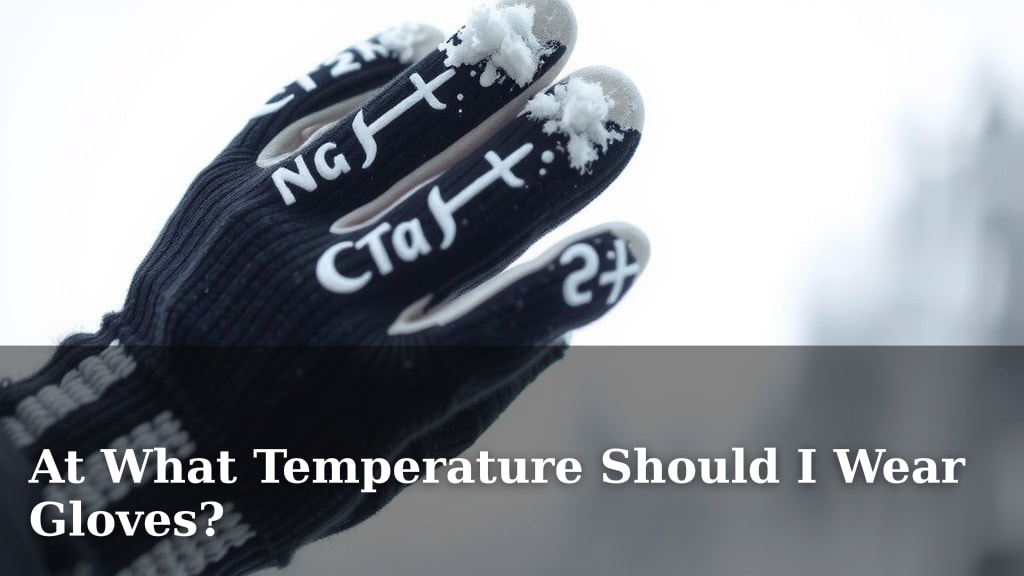
You should wear gloves when the temperature drops to around 40°F (4°C) or below, especially if you’ll be outside for an extended period. This is the general consensus based on comfort and protection from cold. Your hands can get cold quickly, and wearing gloves helps maintain your body’s core temperature.
But it’s not just about the thermometer! Factors like wind chill and how long you’ll be outdoors play a big role. If it’s windy, the air feels colder than it actually is. Wet hands also get cold much faster. So, even if it’s slightly warmer, consider gloves if conditions are damp or windy.
- When to wear gloves: Aim for around 40°F (4°C) and colder.
- Consider wind and moisture: These make it feel colder.
- Activity matters: Standing still gets colder than being active.
- Listen to your body: If your hands feel cold, it’s time for gloves.
- Different gloves for different temps: Lighter for mild cold, warmer for deep freeze.
Let’s get into the specifics of what temperature really warrants glove-wearing and what types of gloves are best for different cold-weather scenarios.
Figuring Out When Your Hands Need Warmth
So, when should you actually pull on a pair of gloves? We often think of it as a simple temperature game, but there’s a bit more to consider. Research and expert advice generally suggest that when the mercury dips to around 40°F (4°C), it’s a good time to start thinking about hand protection. This is especially true if you plan on being outside for more than a few minutes.
Your hands are surprisingly sensitive to the cold. They have fewer blood vessels than other parts of your body. This means they lose heat more quickly. Keeping them warm helps your entire body stay comfortable. It also prevents that uncomfortable tingling or numbness. Many health organizations recommend protecting extremities when temperatures drop to prevent issues like frostnip.
The Impact of Wind and Wetness
The thermometer reading is only part of the story. Have you ever stepped outside on a chilly day and felt like it was much colder than the actual temperature? That’s likely the wind chill at work. Wind can strip away the thin layer of warm air that surrounds your skin. This makes it feel significantly colder. For instance, at 40°F, a brisk wind can make it feel like it’s in the high 20s or low 30s.
Moisture is another big player. Wet hands get cold much faster than dry hands. Think about being on a boat or during a light rain. Even if the air temperature isn’t freezing, dampness can make your hands feel frigid. This is because water conducts heat away from your body more efficiently than air does. So, if it’s damp or windy, you might need gloves even if the temperature is a little above 40°F.
Your Activity Level Matters
What are you planning to do while you’re outside? Your level of physical activity plays a huge role in how warm you stay. If you’re standing still, waiting for a bus, or just enjoying a leisurely stroll, your body generates less heat. In these scenarios, your hands will likely feel the cold more acutely.
On the other hand, if you’re engaged in more strenuous activities like running, cycling, or shoveling snow, your body will produce more heat. This internal warmth can help keep your hands comfortable, even in cooler temperatures. For active pursuits, you might not need gloves until it’s noticeably colder, perhaps in the 30s or even lower, depending on the intensity.
Understanding Different Glove Types for Different Chills
Not all gloves are created equal. Just as you wouldn’t wear a heavy parka to play tennis in 50°F weather, you need the right gloves for the job. Choosing the correct type ensures you stay comfortable and protected without overheating.
Mild Cold (40°F to 50°F / 4°C to 10°C)
For these cooler, but not quite frigid, temperatures, you might opt for lighter-weight gloves. Think of a pair made from fleece, wool blends, or even a thin synthetic material. These offer a bit of insulation without being overly warm. They’re perfect for commuting, walking the dog, or any activity where you’re not generating a lot of body heat but don’t need heavy-duty protection.
Fleece or Wool Blends
These materials provide good warmth for their weight. Fleece is soft and comfortable, while wool offers excellent insulation, even when damp. A glove made from these can be a great everyday choice when it’s chilly but not biting.
Thin Synthetics
Many performance gloves are made from synthetic fabrics. They often wick away moisture, which is a bonus if you’re active. They offer a good balance of warmth and breathability for these milder cold days.
Cold Weather (20°F to 40°F / -7°C to 4°C)
As the temperature drops into this range, you’ll need more substantial insulation. Gloves in this category often feature thicker fleece, down, or synthetic fill insulation. They should also offer some protection against wind and moisture.
Insulated Gloves or Mittens
For temperatures below 40°F, look for gloves with dedicated insulation. Mittens generally offer more warmth than gloves because your fingers share heat within a larger space. Many experts suggest mittens for extreme cold (Mayo Clinic).
Water-Resistant or Waterproof Features
If there’s a chance of rain, snow, or if you’ll be in damp conditions, water resistance is key. Look for gloves with coatings or membranes that keep water out while allowing some moisture vapor to escape.
Deep Freeze (Below 20°F / -7°C)
When temperatures plummet below freezing, your primary goal is maximum warmth and protection. This is where heavy-duty, insulated gloves or mittens become essential. Look for features like waterproof shells, excellent insulation, and possibly liners for added warmth.
Heavy Insulation and Windproofing
Gloves designed for extreme cold often use advanced insulation materials like Thinsulate or PrimaLoft. They should also have robust windproof outer shells. Consider gloves with adjustable cuffs to seal out drafts.
Liners for Extra Warmth
Sometimes, wearing a thin liner glove inside a thicker glove or mitten can provide an extra layer of warmth without making your hands feel bulky. Many people find this combination ideal for very cold conditions.
Listen to Your Body: The Ultimate Temperature Gauge
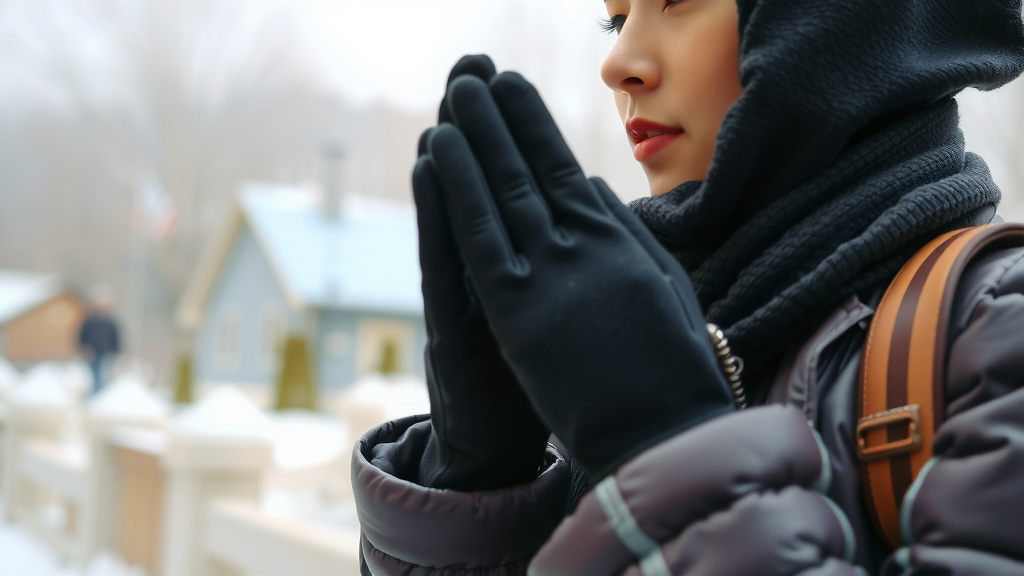
Ultimately, the best indicator of when you need gloves is how your body feels. If your fingers are starting to feel numb, tingly, or just plain cold, it’s time to put them on. Don’t wait until your hands are painfully cold.
Pay attention to how long you’ll be outside. A quick dash from the car to the office might not require gloves, even if it’s 40°F. However, spending an hour at an outdoor market or going for a long walk definitely warrants hand protection at that temperature. We’ve found that personal comfort levels vary, so these temperature guidelines are a good starting point.
Quick Checklist: Am I Ready for Gloves?
- Is the temperature 40°F (4°C) or below?
- Will the wind make it feel colder than it is?
- Is there a chance of rain or snow?
- Will I be outside for more than 15-20 minutes?
- Are my hands already feeling chilly or numb?
- Am I participating in a low-activity outdoor event?
If you answered “yes” to any of these, it’s probably a good idea to reach for your gloves. Keeping your hands warm is key to enjoying your time outdoors, no matter the season.
Conclusion
You’ve learned that the 40°F (4°C) mark is a great starting point for wearing gloves, but it’s not the only factor. Remember to consider wind chill, moisture, and how active you’ll be. Your body’s signals are your best guide; if your hands feel cold, it’s time for protection. By matching glove types to the temperature and conditions, you ensure your hands stay comfortable and safe all season long.
Next time the temperature dips, trust your gut and these guidelines to pick the perfect pair of gloves before you head out.
Frequently Asked Questions
What temperature is officially too cold to go without gloves?
Generally, temperatures at or below 40°F (4°C) are considered cold enough to warrant gloves, especially if you’ll be outdoors for any length of time. This guideline helps prevent discomfort and potential cold-related issues for your hands.
Are mittens warmer than gloves?
Yes, mittens typically provide more warmth than gloves. Because your fingers are together in a mitten, they can share and retain heat more effectively. This makes mittens a great choice for colder temperatures or when your hands get cold easily.
Do I really need gloves if it’s only 45°F but very windy?
Yes, you likely will. Wind chill can make it feel much colder than the actual temperature. A brisk wind at 45°F can feel like it’s in the 30s, so gloves would be a good idea to keep your hands comfortable and protected.
What are the best gloves for exercising outdoors in the cold?
For exercising, look for gloves made from moisture-wicking synthetic materials. These gloves offer warmth without making your hands feel sweaty. They should also be lightweight and provide a good grip for activities like running or cycling.
My hands get numb very quickly. Should I wear gloves even if it’s above 40°F?
If your hands tend to get numb easily, you should definitely consider wearing gloves even if the temperature is slightly above 40°F. Factors like wind, moisture, and personal circulation can make a difference. Trust your body’s signals to stay comfortable.