Buy a Baseball Glove or Cleats First? Guide
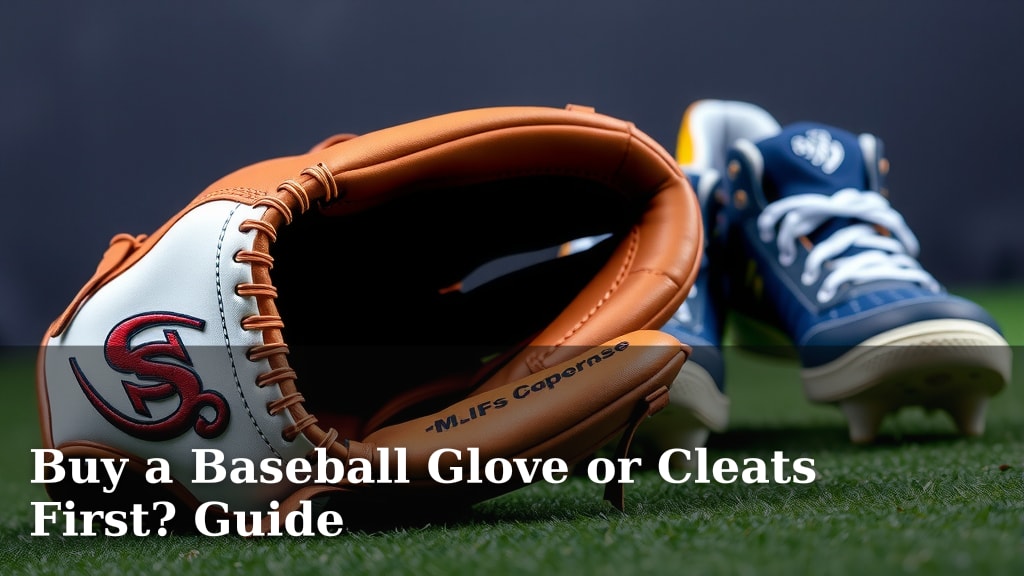
For most players, buying baseball cleats first makes the most sense when starting out. While a glove is essential, the right cleats offer better traction and stability on the field. You’ll find your performance improves quickly with well-fitting cleats.
Choosing between these two key pieces of gear can be tricky. We found that cleats impact your immediate ability to play safely and effectively. A decent glove can be borrowed or used less specialized at first, but the wrong footwear can lead to slips and even injuries. Many coaches agree that proper footwear is a priority.
- Cleats first are generally recommended for most players.
- They provide essential traction and support on the field.
- A glove is important, but less critical for initial play.
- Proper footwear can prevent slips and injuries.
- Consider your specific playing needs when deciding.
Let’s dive into why cleats often take precedence and how to pick the best pair for your game.
“`htmlDeciding Between Baseball Gloves and Cleats: Which Comes First?
Many players wonder about the best order to purchase their baseball gear. We found that getting the right baseball cleats early on can really make a difference in your game. They are the foundation for your movement on the field. Let’s talk about why cleats often get the nod first.
Why Cleats Should Be Your First Purchase
Think about it: what’s the first thing you do when you step onto the baseball diamond? You run, you pivot, you slide. All of these actions depend on having the right footwear. Cleats give you the grip and stability you need to perform these actions safely and effectively.
Traction: The Game-Changer for Movement
Proper cleats dig into the dirt, preventing slips and allowing you to make quicker cuts. This is especially important for pitchers and infielders who need to change direction rapidly. Without good traction, you risk losing your footing and missing a play.
We found that even a small improvement in traction can lead to a big boost in confidence. You’ll feel more secure when sprinting to catch a fly ball or stealing a base. This sure-footedness is a direct benefit of the right cleats.
Support and Injury Prevention
Baseball involves a lot of quick bursts of speed and sudden stops. The ankles and feet can take a beating. Good cleats offer ankle support, which can help reduce the risk of sprains. Many athletic trainers agree that proper footwear is key to preventing common baseball injuries (National Athletic Trainers’ Association).
Beyond ankle support, cleats are designed to distribute pressure evenly across your foot. This can prevent foot fatigue and discomfort during long games or practices. We discovered that players often report less soreness after games when they wear well-fitting, supportive cleats.
Improving Your Performance Immediately
When you can run faster, stop on a dime, and feel stable doing it, your entire game improves. You’ll be able to focus more on hitting and fielding, rather than worrying about your feet. It’s like having a superpower for your lower half!
This immediate impact on your ability to play makes cleats a priority. They are the performance enhancers that you wear.
Understanding the Role of a Baseball Glove
Of course, a baseball glove is also incredibly important. It’s your primary tool for catching the ball. But let’s compare its immediate necessity to that of cleats.
The Glove: Essential, But Can Wait Briefly
You absolutely need a glove to play baseball properly. It protects your hand and helps you secure catches. However, if you’re just starting out, or perhaps joining a team mid-season, a glove might be something you can borrow from a teammate or coach for a few practices.
We found that many new players can manage with a slightly larger or less specialized glove initially. The learning curve for catching is often less steep than the fundamental need for stable movement on the field. You can improve your catching with practice, but you can’t easily compensate for poor footing.
Glove Fit and Break-In Time
A glove needs to fit well and often requires a break-in period. This means even when you buy a glove, it might not be game-ready immediately. Cleats, on the other hand, can often be used right out of the box, provided they fit correctly.
The process of breaking in a glove can take time. You might oil it, play catch with it, or even use a glove shaper. This is time you might not have if you need to be on the field playing immediately. Cleats, therefore, offer a more instantaneous benefit.
Factors to Consider When Buying Cleats First
When you decide that cleats are your priority, you need to choose them wisely. Not all cleats are created equal, and the right pair depends on a few things.
Type of Field You’ll Play On
Baseball is played on different surfaces. Most commonly, you’ll encounter natural grass or a mix of dirt and grass. Some facilities have artificial turf.
For natural surfaces, you’ll generally want metal or molded plastic cleats. Metal cleats offer superior grip, especially in damp conditions. Molded cleats are a good all-around option, often more comfortable for younger players. For artificial turf, you’ll need specific turf shoes or cleats designed for that surface. They usually have many small rubber nubs instead of spikes.
Metal vs. Molded Cleats
Metal cleats are sharper and dig in better. They are often preferred by older, more experienced players. However, they can be harder on your feet and may not be allowed in youth leagues due to safety concerns. Research indicates that metal cleats can cause more damage to turf fields (a common guideline in many leagues).
Molded cleats are made of hard plastic or rubber. They offer good traction without being too aggressive. They are typically lighter and more comfortable for everyday use. Many youth leagues require molded cleats.
Player Position and Age Group
While all players need good cleats, some positions might benefit from specific features. For example, pitchers often need cleats with good ankle support to handle the torque of their delivery. Outfielders might prefer lighter cleats for sprinting. Infielders benefit from good toe drag protection.
For younger players, comfort and safety are usually the top priorities. Molded cleats are often the best choice. As players get older and stronger, they might transition to metal cleats if allowed and if they feel the need for extra grip.
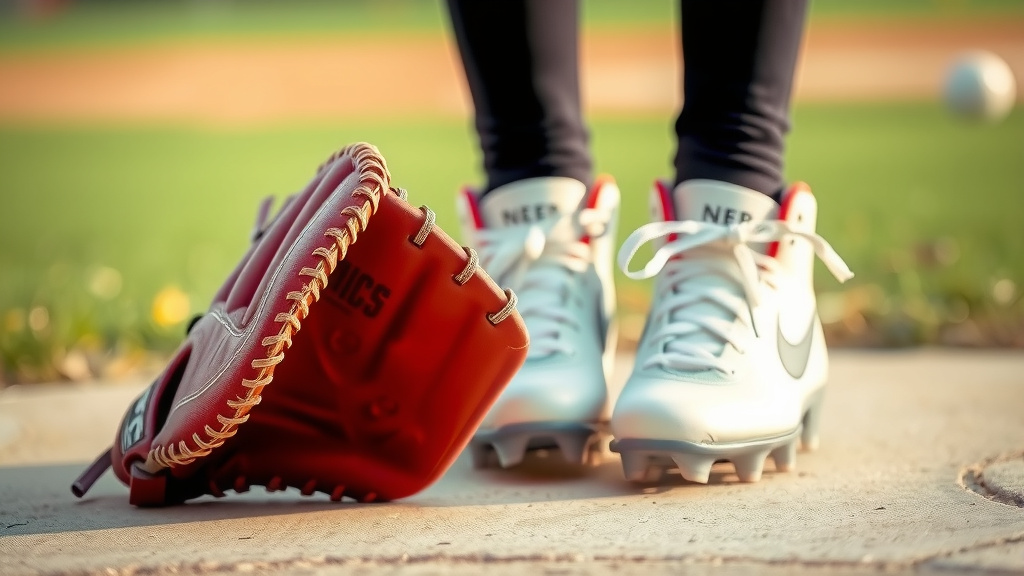
A Quick Checklist for Your Cleat Purchase
Before you head out to buy your first pair of cleats, keep these points in mind:
- Field Type: Know if you’ll play on grass, dirt, or turf.
- Material: Decide between metal, molded plastic, or rubber nubs.
- Fit: Ensure they are snug but not too tight. Leave a little room for thick socks.
- Support: Check for adequate ankle support, especially for younger players.
- Comfort: They should feel good right away. No major break-in pain is ideal.
- League Rules: Verify if your league has restrictions on metal cleats.
When a Glove Might Take Priority
While we’ve focused on cleats first, there are rare occasions where a glove might be the immediate need. If you already have perfectly suitable athletic shoes that offer good grip for the field, then a glove becomes the priority. Or, if you’re a designated hitter who rarely fields, your focus might lean elsewhere initially.
Ultimately, the decision rests on your immediate needs for safety and performance. For most players starting out, securing reliable footwear is the smartest first step. It sets you up for success and keeps you in the game.
“`Conclusion
When deciding between baseball gloves and cleats, remember that cleats generally take priority. They are your foundation for safe and effective movement on the field. Proper footwear enhances your traction, stability, and helps prevent injuries. While a glove is essential, you can often borrow one initially or manage with a less specialized option. Prioritizing cleats ensures you can perform at your best from day one. So, your next step is to assess your playing needs and find the right pair of cleats that will support your game.
Frequently Asked Questions
Do I really need special baseball cleats, or can I wear my regular sneakers?
Regular sneakers lack the specialized tread to grip the baseball field effectively. You’ll likely slip, which can hinder your performance and increase your risk of injury. Baseball cleats are designed with specific patterns and often spikes to provide the necessary traction and stability for quick movements on dirt and grass.
Are metal cleats always better than molded ones?
Metal cleats offer superior grip, especially in wet conditions, and are often preferred by older, experienced players. However, molded cleats are usually more comfortable for everyday use and lighter. They also tend to be less damaging to fields and are often required for younger players due to safety regulations.
How important is the fit of my cleats?
The fit of your cleats is extremely important for both comfort and performance. They should feel snug, providing good support, but not so tight that they cause blisters or restrict blood flow. Leaving a little room for thicker baseball socks is also a good idea.
Can I use my softball cleats for baseball?
While there are similarities, baseball and softball cleats can differ. Softball fields are often larger, and the cleats might have slightly different stud patterns or cushioning designed for that sport. It’s usually best to use cleats specifically designed for baseball to get the optimal performance and safety for that game.
What if my league has strict rules about what kind of cleats I can wear?
Always check your league’s rulebook before purchasing cleats. Many youth leagues prohibit metal cleats for safety reasons and may have specific requirements for molded cleats. Knowing these rules upfront will save you from having to buy a new pair later.