Boxing Glove Wraps vs Hand Wraps: Difference
Boxing glove wraps and hand wraps are often confused, but they serve different purposes and offer distinct benefits for your hands. Hand wraps are the primary layer of protection, while boxing glove wraps are a lighter, quicker option for casual training. Think of hand wraps as your fighter’s armor and glove wraps as a light shield.
When you’re hitting the heavy bag or sparring, proper hand protection is key to preventing injuries. Hand wraps offer superior support for your knuckles and wrists, minimizing the risk of sprains or fractures. Boxing glove wraps, while convenient, provide less comprehensive support. We found that choosing the right wrap depends heavily on your training intensity.
- Hand wraps are for serious training and sparring.
- Boxing glove wraps are for light workouts.
- Hand wraps offer better support and protection.
- Glove wraps are faster to put on.
- Your training needs determine which is best.
Let’s break down the differences between boxing glove wraps and hand wraps so you can make the best choice for your hands and your workouts.
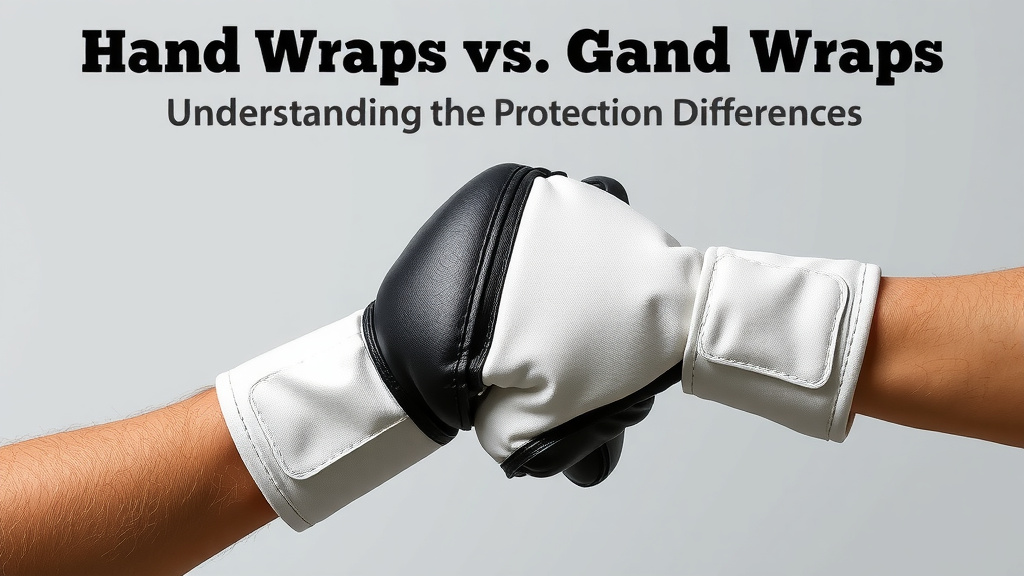
Hand Wraps vs. Glove Wraps: Understanding the Protection Differences
You’re heading to the gym, ready to throw some punches. But wait, which hand protection should you grab? It’s a common question, and the difference between boxing glove wraps and hand wraps is pretty important. We’ve found that hand wraps are your heavy-duty armor, while boxing glove wraps are more like a light, quick shield. Both have their place, but they aren’t interchangeable.
What Are Traditional Hand Wraps?
When we talk about hand wraps in boxing, we’re usually referring to the long strips of cloth, often made of cotton or a blend, that you wrap around your hands and wrists. They’re typically 120 to 180 inches long. Think of them as the foundation of your hand protection. Their main job is to give your hands the structural support they need when you’re training hard.
The Purpose of Hand Wraps
Why bother with these long strips? It all comes down to protecting the delicate bones and joints in your hands and wrists. When you punch, a lot of force travels through these areas. Hand wraps help to compress and stabilize everything. This prevents your knuckles from splaying too much and gives your wrist a solid, straight line, which is key for preventing injuries like sprains or even fractures.
Materials and How They Work
Most hand wraps are made from a stretchy, yet firm, material. This elasticity allows them to mold to your hand and provide snug support. The process of wrapping itself takes a few minutes, but it’s this careful application that provides the superior support. You’re essentially creating a custom cast for your hand and wrist. Many trainers and boxers swear by them for any serious training.
What Are Boxing Glove Wraps?
Now, let’s talk about boxing glove wraps, sometimes called quick wraps or inner gloves. These are usually a more compact, glove-like item, often made of neoprene or a similar fabric. They typically have gel padding over the knuckles and a velcro strap to secure them. They’re designed for convenience and speed.
The Convenience Factor
The biggest draw of boxing glove wraps is how quickly you can put them on. Just slip them on like a glove and fasten the velcro. This makes them a great option for lighter workouts. If you’re just hitting the speed bag for a few rounds or doing some light pad work, they can be a suitable choice. No need to spend time carefully wrapping your hands.
Level of Protection Offered
Here’s where we see a significant difference. While boxing glove wraps do offer some padding over the knuckles, they generally don’t provide the same level of wrist and hand stabilization as traditional hand wraps. The support is less structured. We found that for high-impact activities like heavy bag work or sparring, they may not offer enough comprehensive support to prevent injuries effectively.
Comparing Protection Levels and Use Cases
When you’re deciding between the two, think about what kind of workout you’re doing. Your goal is always to keep your hands healthy and strong for the long haul. Skipping protection can lead to downtime, and nobody wants that.
When to Reach for Traditional Hand Wraps
Traditional hand wraps are your go-to for anything involving serious impact. This includes:
- Heavy bag training: When you’re putting full force into every punch, you need that extra stability.
- Sparring: Protecting your hands and your partner is paramount.
- Intense pad work: When your coach is feeding you combinations with power.
- Competition: Always required and used for maximum safety.
Many boxing organizations and gyms mandate the use of traditional hand wraps for these activities. Research indicates that proper hand wrapping can significantly reduce the risk of metacarpal fractures (broken hand bones) and wrist sprains (Cleveland Clinic).
When Boxing Glove Wraps Might Be Enough
Boxing glove wraps are best suited for less intense activities. Consider them for:
- Light speed bag work: If you’re focusing on rhythm and speed, not power.
- Shadow boxing: When you’re just moving and visualizing. Casual cardio boxing classes: Where the focus is more on fitness than heavy striking.
If you’re unsure, it’s always better to err on the side of caution. We found that even in some fitness classes, participants may be surprised by the force they generate over time.
Key Differences Summarized
Let’s put it all on the table so you can see the main points clearly. We’ve gathered the core differences that will help you make your choice:
| Feature | Traditional Hand Wraps | Boxing Glove Wraps (Quick Wraps) |
|---|---|---|
| Primary Purpose | Structural support and injury prevention for intense training. | Convenience and light padding for casual workouts. |
| Protection Level | High; provides significant wrist and knuckle stabilization. | Moderate; offers basic knuckle padding but less wrist support. |
| Application Time | Takes 2-5 minutes to wrap properly. | Takes less than a minute to put on. |
| Ideal Use | Heavy bag, sparring, competitive training. | Light speed bag, shadow boxing, fitness classes. |
| Customization | Can be wrapped to fit individual hand anatomy. | Standard sizing, less adaptable to individual needs. |
Making the Right Choice for Your Training
Ultimately, the decision comes down to your training intensity and what you need to protect. If you’re serious about boxing, Muay Thai, kickboxing, or any combat sport that involves striking, investing time in learning how to wrap your hands properly with traditional wraps is a smart move for your long-term health.
Think of it like this: would you use a bicycle helmet for motocross? Probably not. You need the right tool for the job. Your hands are your greatest tools in striking sports. Treat them with the respect they deserve.
Your Hand Protection Checklist
To help you decide, ask yourself these quick questions:
- Are you hitting the heavy bag with power?
- Are you sparring with a partner?
- Is your training session designed for maximum impact?
- Do you feel any discomfort or instability in your wrists or hands?
- Are you looking for the best possible protection to avoid injury?
If you answered “yes” to most of these, traditional hand wraps are likely your best bet. If your workouts are more about fitness and light movement, boxing glove wraps can be a convenient option.
Conclusion
You’ve seen how traditional hand wraps and boxing glove wraps serve different needs. Traditional wraps are your essential armor for serious training, offering superior support to keep your hands safe. Boxing glove wraps are a quick, convenient option for lighter activities. Choosing the right one boils down to your workout’s intensity and your commitment to preventing hand and wrist injuries. Protect your most important tools – your hands – by selecting the protection that matches your training. Make it a habit to always use the appropriate wrap for your session.
Frequently Asked Questions
Can I use boxing glove wraps for sparring?
Generally, no. While boxing glove wraps offer some padding, they don’t provide the same level of wrist and knuckle stabilization as traditional hand wraps. Sparring involves significant impact, and research suggests traditional wraps are necessary to reduce the risk of serious injury during these sessions.
How often should I replace my hand wraps?
You’ll know it’s time to replace your hand wraps when the material starts to lose its elasticity and firmness. If they feel stretched out or don’t provide that snug, supportive feeling anymore, it’s a good indicator they’ve served their purpose and need replacing to maintain optimal protection.
Are boxing glove wraps good for beginners?
Boxing glove wraps can be a suitable starting point for absolute beginners in casual fitness classes who are not hitting heavy bags or sparring. They are quick to put on and offer basic protection. However, learning to use traditional hand wraps is highly recommended as soon as you begin more intense training.
What’s the best way to clean hand wraps?
Most hand wraps can be machine washed on a gentle cycle with cold water and then air-dried. Avoid using a dryer, as the heat can degrade the material and reduce their lifespan. It’s also best to wash them with similar colored items to prevent color bleeding.
Can I just wear boxing gloves without any wraps?
We strongly advise against this for any striking activity. Boxing gloves alone do not offer sufficient support for your wrists and hands. Without hand wraps or glove wraps, you significantly increase your risk of sprains, fractures, and other painful injuries, even during light workouts.