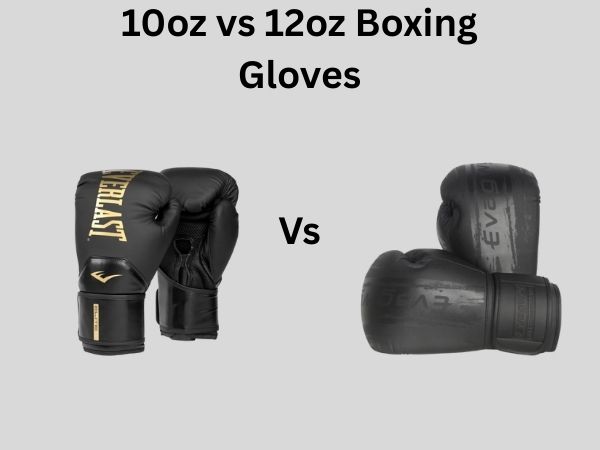
10oz vs 12oz Boxing Gloves: Which One Should You Buy?
If you’re stepping into the boxing ring for the first time or upgrading your gear, you’ve probably found yourself staring at boxing gloves wondering what the actual difference is between a 10-ounce and a 12-ounce pair. It’s not just about the weight on the scale—it’s about how these gloves affect your performance, safety, and overall boxing experience. Let me walk you through everything you need to know to make the right choice for your boxing journey
Understanding Boxing Glove Weights
Before we dive into the specifics, let’s talk about what that number actually means. When we say a boxing glove is 10oz or 12oz, we’re referring to the weight of a single glove, not the pair. So when you’re buying a pair of 10oz gloves, you’re getting approximately 20 ounces total. This might seem like a small distinction, but it makes a big difference when you’re throwing punches for hours on end.
The weight classification system has been around for decades and was established to ensure fairness in amateur and professional boxing. Think of it like clothing sizes—just as you wouldn’t wear the same shirt size in both summer and winter, you shouldn’t use the same glove weight for all boxing activities. The ounce rating tells you something crucial about the padding, protection, and overall characteristics of the glove.
The Basic Differences Between 10oz and 12oz Gloves
Weight and Padding
The most obvious difference is that 12oz gloves are heavier than 10oz gloves. This extra weight comes from additional padding material, typically foam or gel that’s layered inside the glove. With more padding, you get more cushioning between your hand and whatever you’re hitting. It’s similar to the difference between punching a wall with a thin pillow versus a thick mattress—the thick mattress is going to absorb more of that impact.
Impact Absorption
Here’s where things get interesting. The extra padding in 12oz gloves absorbs more shock from punches. This means less impact travels back to your hands, wrists, and arms. For someone just starting out or training regularly, this is a significant benefit. Your joints aren’t taking as much punishment, which means you can train longer and recover faster.
Hand Speed
The trade-off is hand speed. Because 10oz gloves are lighter, they naturally allow for quicker hand movements. It’s pure physics—less weight means you can move faster. Professional fighters and experienced boxers often prefer lighter gloves because that extra speed can be the difference between landing a clean shot and getting countered.
Protection Level: Which Offers Better Safety?
Protecting Your Hands
If safety is your primary concern—and it should be—then 12oz gloves have a clear advantage. The additional padding protects your own hands from injury. Repetitive punching, especially on heavy bags, can lead to hand injuries, stress fractures, and joint problems if you’re not properly protected. Those extra two ounces might not sound like much, but they make a tangible difference in how your hands feel after a training session.
Protecting Your Opponent
Here’s something people don’t always consider: heavier gloves also protect whoever you’re sparring with. The increased padding distributes the force of your punch over a larger area, reducing the intensity of the impact. This is particularly important during sparring sessions where both parties need to go home healthy. Most gyms and sparring partners appreciate when you’re wearing more protective gear.
Head Protection During Sparring
When you’re taking punches to the head during sparring, you definitely want your partner wearing heavier gloves. The thicker padding means better shock absorption, which translates to less risk of concussions and head trauma. This is why many boxing gyms recommend or even require 12oz or heavier gloves for sparring sessions, regardless of your weight class.
Speed and Agility Comparison
Why Speed Matters in Boxing
Speed in boxing is like quickness in basketball—it’s often the determining factor in winning exchanges. A faster punch is harder to see coming and even harder to defend against. With 10oz gloves, you’re getting that speed advantage because there’s simply less mass to move. Your arm doesn’t have to work as hard to accelerate the glove, which means your combinations can flow more smoothly.
Combination Work
When you’re throwing rapid-fire combinations—a jab, cross, hook sequence, for example—the lighter gloves become noticeably easier to work with. Your shoulders and arms don’t fatigue as quickly. Think about it this way: if you had to wave a five-pound weight versus a seven-pound weight repeatedly for three minutes straight, which would tire you out first? The same principle applies to boxing gloves.
Footwork Coordination
There’s also a subtle benefit to lighter gloves regarding overall footwork. Because your hands are quicker, they naturally coordinate better with your feet. You can pivot, slip, and move around the ring more fluidly. This is another reason why experienced fighters and competitive boxers gravitate toward lighter gloves—the entire rhythm of their boxing improves.
Hand and Wrist Support Analysis
Wrist Stability
Both 10oz and 12oz gloves provide wrist support, but the nature of that support differs. Heavier gloves have more structure and padding around the wrist area simply because there’s more material overall. This extra padding can help stabilize your wrist during impact. If you have a history of wrist problems or weak wrists, the additional support from 12oz gloves might be worth the trade-off in speed.
Proper Hand Wrapping
Here’s a critical point that many beginners miss: the glove weight isn’t the only thing protecting your hands. Hand wraps are equally important. No matter whether you choose 10oz or 12oz gloves, you should always wrap your hands properly before putting on gloves. Good hand wraps provide compression and support that keeps your wrists stable and your knuckles protected from the impact of punching.
Long-Term Hand Health
If you’re planning to box seriously for years to come, investing in the extra protection of 12oz gloves during training might pay dividends in the long run. Hand injuries can be persistent and annoying—arthritis, joint pain, and fractures don’t always heal perfectly. By choosing heavier gloves during your training years, you’re essentially investing in your future boxing career and your general hand health.
Training vs Competition: What Matters Most?
Training Sessions
Most serious boxers use different gloves for different purposes. During training, especially heavy bag work and pad work, many prefer 12oz or even heavier gloves because they’re doing high-volume work and don’t need to simulate actual fighting conditions. Training sessions are about building fundamentals, conditioning, and developing muscle memory without putting unnecessary stress on your body.
Sparring Sessions
Sparring is a bit of a gray area. Light to moderate sparring sessions often use 12oz or 14oz gloves because the goal is to practice combinations and movement without excessive contact. Hard sparring might move toward 10oz if you’re trying to get a realistic feel for actual competition, though many gyms still encourage heavier gloves even then.
Competition Fighting
In actual amateur or professional competition, glove weight is determined by weight class and governing body regulations. Amateur boxers in lighter weight classes typically use 8oz gloves, while heavier weight classes use 10oz or 12oz gloves. The governing bodies set these standards to ensure fairness and safety across all weight divisions. You don’t get to choose during competition—the rules do that for you.
Who Should Choose 10oz Gloves?
Competitive Boxers
If you’re seriously training to compete, 10oz gloves are likely in your future. They allow you to develop the hand speed and explosive power you’ll need in the ring. By training with gloves similar to what you’ll wear in competition, you’re getting sport-specific conditioning that transfers directly to actual fighting.
Advanced and Experienced Boxers
Boxers with several years of experience under their belts typically have stronger hands, better technique, and more understanding of how to protect themselves. They don’t need the extra padding as much because they’re throwing punches correctly and their joints have been conditioned over time. If you’ve been boxing for multiple years and your hands feel strong, 10oz gloves might be appropriate for you.
Lighter Weight Classes
Boxers in lighter weight classes—think bantamweight or featherweight—naturally gravitate toward 10oz gloves or even lighter. The smaller body mass means less overall impact needs to be absorbed anyway. For these athletes, 10oz gloves offer the speed advantage without sacrificing protection in the way it might for heavier fighters.
Those Focusing on Technique Over Power
If your boxing style emphasizes precision, footwork, and quick combinations over raw knockout power, lighter gloves align well with your approach. You’re already not relying on brute force, so the speed advantage of 10oz gloves complements your fighting style perfectly.
Who Should Choose 12oz Gloves?
Beginners and Newcomers
If you’re just starting your boxing journey, 12oz gloves are almost certainly the right choice. Your hands, wrists, and entire body need time to adapt to the demands of boxing. The extra padding provides a safety net while you’re learning proper technique and building your conditioning base. There’s no rush to graduate to lighter gloves—better to start safe and build from there.
Recreational Boxers
Are you boxing for fitness and fun rather than competition? Then 12oz gloves are perfect for you. You get all the health benefits of boxing—cardiovascular conditioning, strength building, stress relief—without the extra stress on your hands and joints. Since you’re not training to compete, you don’t need to simulate competition conditions.
Regular Gym Trainers and Heavy Bag Workers
If you’re spending 30, 60, or 90 minutes at the gym hitting heavy bags and mitts, 12oz gloves are your friend. The high-volume work can be tough on your hands and wrists. The extra padding means you can maintain quality form throughout your entire session without your hands getting fatigued and sore. This also reduces recovery time between sessions.
Those with Hand or Wrist Issues
If you’ve had hand, wrist, or joint problems in the past, the additional support and protection of 12oz gloves isn’t just nice—it’s practically essential. There’s no point in risking injury to your hands for the sake of slightly faster hand speed. Your long-term boxing career depends on keeping your hands healthy.
Heavier Weight Classes
Boxers who are heavier naturally generate more force in their punches. For these athletes, the extra padding of 12oz gloves helps manage the impact on both their own hands and the hands of their sparring partners. It’s a smart choice for anyone packing significant power behind their punches.
Comfort and Fit Considerations
Breaking In Your Gloves
New gloves always feel a bit stiff, and this is true whether you’re getting 10oz or 12oz. The leather needs to mold to your hand shape, and the padding needs to compress a little from use. This break-in period usually takes 5 to 10 training sessions. During this time, don’t be alarmed if your gloves feel awkward—they’re supposed to until they adjust to your hands.
Hand Positioning Inside the Glove
How your hand sits inside the glove matters significantly for comfort. You want your knuckles aligned properly with the padding, and your wrist should be straight when you make a fist. Some boxers prefer the feel of lighter gloves because they’re closer to the hand and provide more feedback. Others prefer the cushioned feeling of heavier gloves. This is genuinely a personal preference that you’ll discover through experience.
Thumb Position and Space
One often-overlooked factor is thumb space. Heavier gloves sometimes have more padding around the thumb area, which some boxers like and others find restrictive. If you have larger hands or long thumbs, you might need to try on several pairs to find gloves that feel right. This is another reason why it’s worth visiting a specialty boxing store rather than ordering online if possible.
Price Differences and Value
Entry-Level Pricing
At the budget end of the spectrum, quality boxing gloves start around $40 to $60. You can find both 10oz and 12oz options in this range, and both will serve you well as a beginner. The price difference between ounce weights is usually minimal at the entry level.
Mid-Range Quality
Moving up to higher-quality brands, you’re looking at $80 to $150 per pair. This is where most serious boxers invest their money. The build quality is noticeably better, the padding lasts longer, and the gloves maintain their shape through hundreds of hours of use. Again, the price difference between 10oz and 12oz is typically small at this level.
Premium and Professional Grade
At the top end, professional-grade gloves can run $200 to $400 or more. These are what professional fighters use, and they’re built to last through thousands of rounds. The materials are premium, the craftsmanship is meticulous, and the performance is unmatched. Most recreational boxers don’t need to invest this much, but if you’re serious about the sport, it might be worth considering.
Value Consideration
Rather than focusing on the weight, think about value in terms of durability and comfort. A pair of 12oz gloves that lasts two years and keeps your hands healthy is better value than a pair of 10oz gloves that wear out in six months or leave you with sore wrists. Look for reviews, ask your gym instructor, and try gloves on before buying if you can.
Professional Recommendations by Weight Class
Lightweight to Middleweight (Under 160 lbs)
Boxers in this range have flexibility. If you’re competing seriously, 10oz gloves make sense. If you’re training recreationally or just starting out, 12oz gloves are perfectly appropriate. Your personal preference and experience level matter more than your weight class in this