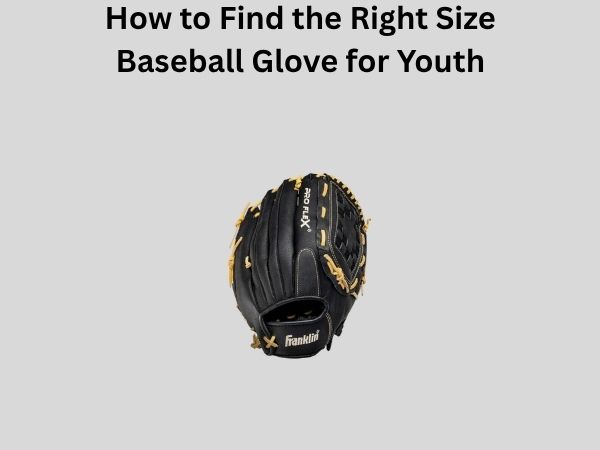
How to Find the Right Size Baseball Glove for Youth: A Complete Guide for Parents and Young Players
Finding the perfect baseball glove for your young athlete can feel overwhelming. Walk into any sporting goods store, and you’ll see rows of gloves in different sizes, colors, and price ranges. So how do you know which one is actually right for your kid? I’m going to walk you through everything you need to know to make this decision with confidence.
Understanding Youth Baseball Glove Sizing Basics
Let me start with the fundamentals. Baseball gloves aren’t measured the same way your child’s shoes are. Instead, they’re sized in inches, typically ranging from 10.5 inches to 12.5 inches for youth players. Think of this measurement as the distance from the tip of the glove’s pinky finger to the heel. It’s like measuring the span of a hand rather than the width of a foot.
Here’s the thing that surprises most parents: a youth glove isn’t just a smaller version of an adult glove. Youth models are specifically engineered with smaller circumferences, lighter leather, and designs that account for the smaller hands and developing muscles of young players. Your 9-year-old won’t be comfortable or effective with a full-size adult glove, no matter how much they insist they’ll “grow into it.”
Age Guidelines for Youth Baseball Glove Selection
Ages 4 to 6: The Introductory Phase
Kids just starting their baseball journey typically need gloves in the 10.5 to 11-inch range. At this age, we’re talking about children who are still developing their hand-eye coordination and basic throwing mechanics. A smaller glove won’t overwhelm their small hands and will actually help them catch more effectively.
Ages 7 to 9: The Growing Years
As kids enter early elementary school and begin playing in organized leagues, they usually need 11 to 11.5-inch gloves. Their hands are growing, their athleticism is improving, and they’re ready for a glove that can handle more serious play. This is when many kids really start to develop their skills and preferences.
Ages 10 to 12: The Transition Stage
Preteens often require 11.5 to 12-inch gloves. Growth spurts become more pronounced during this period, so you might find yourself replacing gloves more frequently. This is also when many young players become more involved in competitive leagues and travel teams.
Ages 13 and Up: Nearly Adult Territory
Teenagers approaching high school typically wear 12 to 12.5-inch gloves, which are on the larger end of the youth spectrum. Some may actually be ready for smaller adult gloves depending on their hand size and position.
The Hand Measurement Method: Getting Precise
Age is just a guideline, though. The real answer lies in actually measuring your child’s hand. This is the most reliable way to determine the right glove size. Here’s how I recommend doing it:
- Get a soft measuring tape or even a piece of string and a ruler
- Measure from the tip of your child’s middle finger down to the base of their wrist (not including the hand)
- Record this measurement in inches
- Compare it to the size chart provided by the glove manufacturer
Generally speaking, if your child’s hand measures around 5 to 5.5 inches, they’ll likely need a 10.5 to 11-inch glove. Hands measuring 5.5 to 6 inches usually fit best in 11 to 11.5-inch gloves. Once hands reach 6 to 6.5 inches, a 11.5 to 12-inch glove becomes appropriate.
Testing the Glove: The Fit and Feel Factor
The Pocket Test
When trying on a glove, have your child put on the glove and make a fist. Can they comfortably close their hand? The pocket of the glove should feel snug but not restrictive. Imagine wearing a tight shoe that pinches your toes—that’s what an overly tight glove feels like to a young player.
On the flip side, if the glove is too loose, your child won’t have adequate control when catching. The ball might roll around in the pocket instead of staying secure. It’s all about finding that sweet spot where the glove feels like a natural extension of their hand.
The Wrist Strap Situation
The wrist strap should wrap snugly around your child’s wrist without being uncomfortably tight. You should be able to fit one finger between the strap and the wrist comfortably. This prevents the glove from twisting or shifting during play while maintaining circulation in their hand.
The Finger Fit Assessment
Here’s something many parents overlook: checking if the finger compartments are appropriately sized. Your child’s fingers shouldn’t be swimming in the finger pockets, nor should they be cramped. When they make a fist in the glove, the tips of their fingers should be near the end of each compartment without pressing too hard against the leather.
Position-Specific Glove Considerations
Did you know that the position your young player uses on the field might actually influence glove selection? It’s a detail that gets missed surprisingly often.
Infielders and Pitcher Gloves
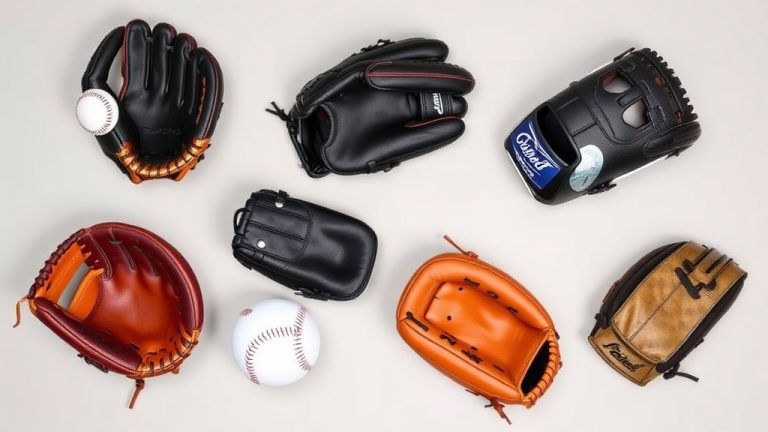
Kids playing infield positions or pitching typically use smaller, more flexible gloves because they need quick exchanges from glove to hand. These gloves often fall on the smaller end of the size spectrum—around 11 to 11.5 inches for younger players. The smaller size allows for faster ball transitions and more precise throws.
Outfielder Gloves
Outfielders, on the other hand, benefit from slightly larger gloves. Since they’re covering more ground and need a bigger catching surface, a 11.5 to 12-inch glove makes sense. The extra pocket depth helps secure fly balls caught at distances away from the body.
Catcher Mitt Specifications
Catcher mitts are a completely different beast. They’re not really “gloves” in the traditional sense but rather mitts with a different construction. Catchers usually wear mitts in the 32 to 34-inch range, and these are sized differently than field gloves altogether.
Material Quality and Break-In Time
Leather Type Matters
Youth gloves come in various leather grades. Full-grain leather is more durable and develops a better pocket over time, but it requires a longer break-in period and costs more. Synthetic leather is lighter, breaks in faster, and costs less, but won’t last quite as long. For young players who are still developing their skills, a mid-grade synthetic or leather blend often provides the best balance.
The Break-In Process
New gloves are stiff—that’s just how they come. Your child needs time to break in their glove properly. How long does this take? Usually a few weeks of regular use. Encourage them to catch balls, work the pocket, and use a glove conditioner to soften the leather gradually. Resist the urge to use a mallet to force the break-in, as this can damage the glove’s structure.
Common Sizing Mistakes Parents Make
Buying Too Large Anticipating Growth
I can’t stress this enough: don’t buy a glove expecting your child to “grow into it.” This is perhaps the most frequent mistake I see. An oversized glove is harder for kids to control, which can actually discourage them from playing. Poor control leads to missed catches, which leads to frustration. That’s not the experience you want for a young athlete.
Ignoring Hand Size Differences
Not all 10-year-olds have the same hand size. Some kids are tall and lanky with small hands, while others are shorter with proportionally larger hands. Don’t assume your child needs a certain size just because of their age. Measure their hand first, always.
Rushing the Purchase Decision
Sometimes parents buy the first glove they see that seems “about right.” Taking time to try on multiple gloves, test the fit, and even let your child make the choice between a couple of good options will result in much better satisfaction.
Budget Considerations for Youth Gloves
Baseball gloves range from about $30 to $150 for youth models. Here’s my honest take on budget: you don’t need to spend top dollar on a youth glove because your child will outgrow it. However, spending too little might mean poor quality that falls apart quickly.
The sweet spot for most families is in the $50 to $100 range. You’ll get a quality glove that will last through several seasons of regular play. If your child is serious about baseball and will definitely use the glove for years, investing a bit more might make sense. If they’re just starting out, a mid-range option is perfectly adequate.
Brand Reputation and Quality Standards
Certain brands have built their reputation on youth glove construction. Rawlings, Wilson, Louisville Slugger, and Spalding are established names that consistently produce quality youth gloves. This doesn’t mean you have to buy from these brands—there are other good options—but these companies have long track records of creating gloves that fit youth players properly.
When evaluating brands, look for reviews from actual customers, check warranty information, and see if the glove comes with any conditioning supplies. Better brands often include these extras.
When to Replace or Upgrade Your Child’s Glove
Signs Your Child Has Outgrown Their Glove
Your child’s fingers are now touching the ends of the glove compartments with pressure. The wrist strap feels too tight even when fully extended. Their hand feels cramped when making a fist in the glove. These are all indicators that it’s time for a size up.
Signs of Glove Wear and Tear
If the leather is cracking, the pocket has worn through in spots, or the wrist strap is breaking apart, it might be time for a new glove regardless of fit. Worn-out gloves can actually affect performance and safety.
Storage and Maintenance Tips
Taking proper care of a baseball glove extends its life and keeps it performing well. Store it in a cool, dry place. Use a glove conditioner every few months to keep the leather supple. Keep it away from direct sunlight and extreme heat, which can damage the leather. If the glove gets wet, let it air dry naturally rather than using heat. These simple steps can add years to your glove’s usable life.
Making the Purchase: Online vs. In-Store
Online retailers often have better prices and more selection, but you can’t physically test the fit. In-store shopping lets you try on multiple gloves but typically costs more. My recommendation? If you already know your child’s hand measurement and have narrowed down to a specific model, online shopping can save money. If you’re uncertain about sizing, go to a store where staff can help you fit the glove properly.
One Final Thought on Youth Glove Selection
Choosing the right baseball glove is really about balance. You’re balancing proper fit with room for growth, quality with budget, and your knowledge with your child’s preferences. The best glove is one that fits well, feels comfortable, and keeps your young player excited about baseball. Get these elements right, and you’ve made a solid investment in their athletic experience.
Conclusion
Finding the right size baseball glove for your youth player doesn’t have to be complicated when you know what to look for. Start by measuring your child’s hand, use age as a general guideline rather than a definitive answer, and then actually try on gloves to assess the fit. Remember that position, hand size, and material quality all play roles in the decision. Don’t fall into the trap of buying too large anticipating growth, and recognize that you don’t need to break the bank on a youth glove. Consider brand reputation, break-in time, and proper care to maximize the life of the glove. With this comprehensive approach, you’ll find a glove that your young athlete can use with confidence and comfort, which is really what matters when they step onto that field. The right glove becomes an extension of their hand and helps them develop the skills they’ll carry throughout their baseball journey.
Frequently Asked Questions
What is the average baseball glove size for a 10-year-old?
Most 10-year-olds wear gloves in the 11 to 11.5-inch range, though this varies based on individual hand size. The best approach is to measure your child’s hand from the tip of their middle finger to their wrist. This measurement is more reliable than age alone. Some 10-year-olds might be ready for 11.5-inch gloves, while others do better with 10.5 to 11-inch gloves. Always prioritize actual measurements over age-based assumptions.
How do I know if a baseball glove is too big for my child?
A glove is too big if your child cannot comfortably close it with their hand inside, if their fingers don’t reach the end of the finger compartments, or if the glove feels heavy and unwieldy. When they try to catch, the ball should feel secure in the pocket, not rolling around. If they’re having trouble making catches they should be able to make, the glove is likely too large. Your child should be able to make a full fist inside the glove without strain.
Can my child use an adult baseball glove?
Generally, no. Adult gloves are too large for young hands and make it very difficult for children to control their catches. Even the smallest adult gloves are typically 12.5 inches or larger, which is too big for most youth players. Using an oversized glove can actually frustrate young players and make them less interested in the sport. Stick with properly sized youth gloves that match your child’s hand dimensions.
How often will my child need a new baseball glove?
Most children outgrow their glove every two to three years as their hands develop. However, this depends on their growth rate and how frequently they use the glove. A child playing competitive baseball year-round might outgrow a glove faster than a recreational player. With proper care and maintenance, a quality youth glove can last through multiple seasons of use before needing replacement due to wear.
Is a more expensive baseball glove better for youth players?
Not necessarily. While premium brands often offer better quality leather and construction, a mid-range glove in the $50 to $100 price point typically provides excellent value for youth players. Since children outgrow gloves relatively quickly, spending excessive amounts on high-end models isn’t always practical. Focus on proper fit and adequate quality rather than chasing brand prestige. A well-fitting $70 glove will serve your child better than an ill-fitting $150 glove.
“`