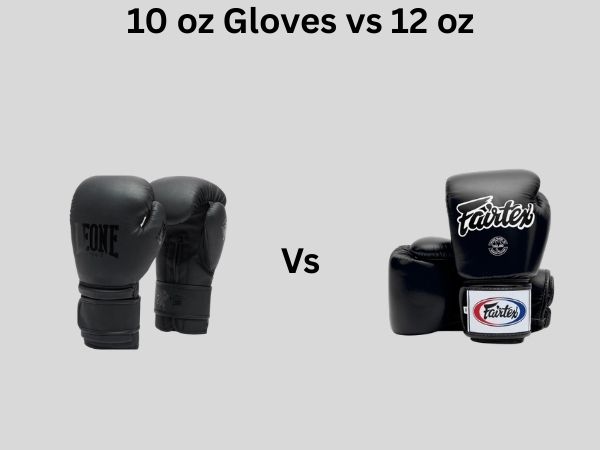
10 oz Gloves vs 12 oz: What’s the Real Difference?
If you’ve ever walked into a boxing gym or browsed online for fighting gloves, you’ve probably noticed those mysterious numbers—10 oz, 12 oz, 14 oz, and beyond. What do they actually mean? Are they just random designations, or do they really matter for your training? Well, let me tell you, they matter more than you might think.
I’ve spent years in combat sports, and one of the most common questions I hear from beginners is: “Should I get 10 oz or 12 oz gloves?” The answer isn’t as straightforward as you’d expect, and that’s exactly why I’m writing this guide. We’re going to dive deep into the differences, explore when you should use each size, and help you make an informed decision that matches your specific needs.
Understanding Boxing Glove Weight: The Basics
Let’s start with the fundamentals. When we talk about glove weight, we’re referring to the mass of each individual glove, measured in ounces. The weight directly impacts how the glove feels, performs, and protects both you and your sparring partner.
Think of it like choosing a hammer. A lighter hammer moves faster but requires more precision, while a heavier hammer delivers more force but demands more effort. Boxing gloves work similarly. The weight affects the speed, power, protection, and overall dynamics of your boxing experience.
What Does “Ounce” Really Mean in Boxing Gloves?
When manufacturers say a glove is 10 oz, they’re talking about the actual weight of the padded glove itself. This weight includes the outer leather or synthetic material, the padding inside, and everything else that makes up that glove. The heavier the glove, the more material and cushioning it contains.
The 10 oz Glove: Speed and Precision
Let me start with 10 oz gloves because they’re popular among certain groups of boxers, and for good reasons.
Why Fighters Choose 10 oz Gloves
10 oz gloves are lighter, which means your hands move faster. When you’re throwing combinations, landing quick jabs, or working on your hand speed, these lighter gloves give you an advantage. Your arms don’t have to work as hard to move them around, so you can maintain faster punch combinations for longer periods.
Professional boxers often gravitate toward lighter gloves because they want maximum speed and responsiveness. When you’re competing at the highest level, every millisecond counts. A slightly lighter glove can give you that edge.
Protection Level in 10 oz Gloves
Here’s what you need to understand about 10 oz gloves: they offer less padding than heavier alternatives. This means less shock absorption for both the person wearing them and the person receiving the punches. If you’re training alone with a heavy bag, this might be acceptable. If you’re sparring with a partner, this becomes a more serious consideration.
Ideal Uses for 10 oz Gloves
- Heavy bag work and pad work where you’re the only one at risk
- Speed and combination drills where you prioritize hand velocity
- Professional competition (they’re often required or preferred in professional boxing)
- Advanced boxers with proper technique who understand the risks
- Training when weight class is light to medium
The 12 oz Glove: Protection and Comfort
Now let’s talk about 12 oz gloves, which are arguably the most versatile choice for most boxers.
Why 12 oz Gloves Are Popular
12 oz gloves represent a sweet spot in the boxing world. They offer more padding than 10 oz gloves, which means better protection for both you and your training partner. This extra cushioning absorbs more impact, reducing the risk of injury during sparring sessions.
Many boxing gyms actually recommend or require 12 oz gloves for sparring specifically because of this protection factor. If you’re planning to do regular partner work, you’ll find that most serious boxers will respect you more if you’re using proper protective equipment.
The Weight and Speed Trade-off
Yes, 12 oz gloves are heavier, and yes, this means your hands won’t move quite as fast as they would in 10 oz gloves. But here’s the thing—the difference is minimal for most people. You might lose a fraction of a second, but you gain significant protection. That’s a trade I’ll make any day.
Best Applications for 12 oz Gloves
- Sparring sessions with training partners
- General fitness boxing and training routines
- Beginners who are still developing proper technique
- Heavier weight class boxers
- Mixed training where you do both solo work and partner drills
- Long training sessions where comfort matters
Direct Comparison: Side-by-Side Analysis
Speed Difference
The speed difference between 10 oz and 12 oz gloves is noticeable but not dramatic. In practical terms, you might throw combinations slightly faster in 10 oz gloves, but the difference is usually measured in tiny fractions of time. Most casual boxers won’t even notice the difference, and even advanced boxers can adapt quickly.
Power Transfer
Interestingly, heavier gloves don’t necessarily mean more power output. The extra weight in 12 oz gloves goes into padding, not into dense material that transfers force. Your actual punching power comes from your technique, body mechanics, and muscular strength—not from the weight of your glove. In fact, some boxers prefer lighter gloves precisely because they feel more connected to their punches.
Comfort and Wrist Support
12 oz gloves typically offer better wrist support because of the additional material. If you have weak wrists or are prone to wrist pain, the extra support from 12 oz gloves can be genuinely beneficial. They also tend to feel more comfortable during extended training sessions because the padding distributes impact more evenly.
Cost Considerations
Generally speaking, 10 oz gloves are slightly cheaper than 12 oz gloves because they use less material. However, the price difference is usually minimal, often just ten to twenty dollars. This shouldn’t be your primary decision-making factor.
Training Level Matters: A Critical Factor
Beginners and 10 oz vs 12 oz
If you’re brand new to boxing, I strongly recommend starting with 12 oz gloves. Here’s why: beginners are still developing proper technique, and their defensive skills aren’t fully refined yet. This means they’re more likely to get hit, and when they do, they need that extra protection. Additionally, heavier gloves force you to develop better technique because you can’t rely on speed alone.
Intermediate Boxers: Finding Your Preference
Once you’ve got a solid foundation and your technique is becoming more natural, you might experiment with 10 oz gloves. This is the sweet spot for testing what works best for your style. Some boxers discover they prefer the lighter feel, while others find they actually like the 12 oz better.
Advanced and Professional Boxers
Advanced boxers often choose based on their specific strategy and weight class. Professional competitions sometimes have specific glove weight requirements based on weight divisions. Typically, lighter weight classes use lighter gloves, and heavier weight classes use heavier gloves.
Sparring Etiquette: What Partners Expect
Let’s be real for a moment. If you’re sparring with someone, the size of your gloves matters to them. Using 10 oz gloves when your partner is wearing 12 oz or 14 oz can be perceived as disrespectful or overly aggressive, even if you’re trying your best to control your power.
Most experienced boxers follow an unspoken rule: when sparring, use gloves that are at least equal in weight to your partner’s gloves, and ideally the same size. This maintains fairness and shows respect for your training partner’s safety.
Bag Work and Solo Training: Different Rules Apply
Heavy Bag Training
When you’re working the heavy bag alone, your glove choice matters less from a safety perspective. However, there’s still logic to consider. If you wear 10 oz gloves for heavy bag work, you’re training your hands and arms to move quickly with minimal load. If you wear 12 oz, you’re building strength and conditioning. Both have value.
Speed Bag and Pad Work
For speed bag work and mitt work with a coach, lighter gloves often make sense because they allow for faster hand combinations. Many coaches prefer working with boxers in 10 oz gloves for this reason—it helps develop hand speed and responsiveness.
Weight Class and Glove Selection
Your body weight and fighting weight class should influence your decision. Lighter weight class boxers often use 10 oz gloves because their smaller frames and lower punch force don’t require as much padding. Heavier weight class boxers typically use 12 oz or larger because they need more protection due to the increased force behind their punches.
This isn’t a hard rule, but it’s a practical consideration. A heavyweight boxer wearing 10 oz gloves creates a dangerous sparring situation. Similarly, a lightweight in 12 oz gloves isn’t getting any real benefit from the extra weight.
Common Misconceptions About Glove Weight
Myth: Heavier Gloves Mean Harder Punches
This is false. The weight of the glove doesn’t determine punch power. Your punch power comes from your technique, speed, explosiveness, and body mechanics. A perfectly executed punch from someone in 10 oz gloves can be harder than a sloppy punch from someone in 16 oz gloves.
Myth: You Need to Match Professional Standards
Many beginners think they need to use professional boxing glove weights. Here’s the truth: professional boxing has specific rules and requirements, but you’re probably not a professional boxer yet. What matters for your training is safety, comfort, and effectiveness—not matching what you see on ESPN.
Myth: Lighter Is Always Better
While lighter gloves do offer speed advantages, they’re not universally “better.” They’re better for specific purposes and specific levels of training. For the majority of boxers, especially those who spar regularly, 12 oz gloves are arguably better because they’re more protective and more versatile.
Making Your Decision: A Practical Guide
So how do you actually decide between 10 oz and 12 oz gloves? Let me break it down with some practical questions:
- How often will you spar? If sparring is a regular part of your training, go with 12 oz.
- What’s your experience level? Beginners should choose 12 oz.
- What’s your weight class? Lighter boxers can use 10 oz more safely than heavier boxers.
- What’s your primary training focus? Speed work favors 10 oz; conditioning and protection favor 12 oz.
- What do most people at your gym use? Fitting in with your training community matters for practical reasons.
The Real Difference: Final Thoughts
After everything we’ve covered, here’s what you need to know: the real difference between 10 oz and 12 oz gloves is marginal for most people. We’re talking about a two-ounce difference, which translates to slightly faster hand movement versus slightly better protection.
For beginners, the choice is easy—go with 12 oz. For advanced boxers, the choice often depends on their specific goals and the demands of their training. For most casual boxers who want to stay healthy and train consistently, 12 oz gloves are the smart choice.
The best glove is the one that gets you to the gym consistently and keeps you safe while you’re training. Don’t overthink this decision. Get a pair of 12 oz gloves from a reputable manufacturer, learn proper technique, and train hard. You can always experiment with 10 oz gloves later once you’ve developed solid fundamentals.
Conclusion
Understanding the difference between 10 oz and 12 oz boxing gloves is important, but it’s not the most critical factor in your boxing journey. What matters more is consistent training, proper technique, and respect for your training partners.
If I had to summarize everything in one sentence, it would be this: 12 oz gloves are the safer, more versatile choice for most boxers, while 10 oz gloves are better suited for advanced boxers focused on speed and professional competitors. Your training level, sparring frequency, and specific goals should guide your decision, not arbitrary preference or trend-following.
Remember, professional boxers have teams, coaches, and years of experience informing their equipment choices. You’re building your foundation right now. Choose the gloves that will help you train safely and consistently. That’s what really matters.
Frequently Asked Questions
Can I use 10 oz gloves for sparring if I’m experienced?
Technically, you can, but it’s not recommended unless your sparring partner also uses 10 oz gloves. Even experienced boxers benefit from the extra protection that 12 oz gloves provide during sparring sessions. The two-ounce difference might seem small, but it represents less padding and more potential impact. Most gyms and training partners will expect you to use at least 12 oz for sparring, regardless of your experience level. If you want to use lighter gloves, discuss it with your coach and training partners first.
Will using 12 oz gloves slow down my hand speed permanently?
Absolutely not. Your hand speed is determined by your neuromuscular system, technique, and training, not by the weight of your gloves. Think of it like this: athletes who train with weighted vests don’t permanently lose speed when they remove the vests. In fact, they often become faster. Training in 12 oz gloves might feel slightly slower, but you’ll adapt within a few sessions, and you’ll develop strength that translates to better overall performance. Once you switch to lighter gloves later, you might actually feel faster because of the added conditioning from training in heavier ones.
What glove weight do professional boxers use?
Professional boxing has weight class-specific glove requirements set by organizations like the WBC and WBO. Generally, lighter weight classes (up to middleweight) use 8 oz gloves, and heavier weight classes use 10 oz gloves. However, these are competition standards, not training standards. Professional boxers often use heavier gloves during training for conditioning and protection. They might spar in 12 oz or 14 oz gloves even though they compete in 10 oz gloves. Remember, the professional ring is a controlled, regulated environment with experienced athletes and medical personnel. Amateur training should prioritize safety over competition specifications.
Should I buy multiple pairs of gloves in different weights?
If you’re a serious boxer planning to train for years, eventually owning multiple pairs makes