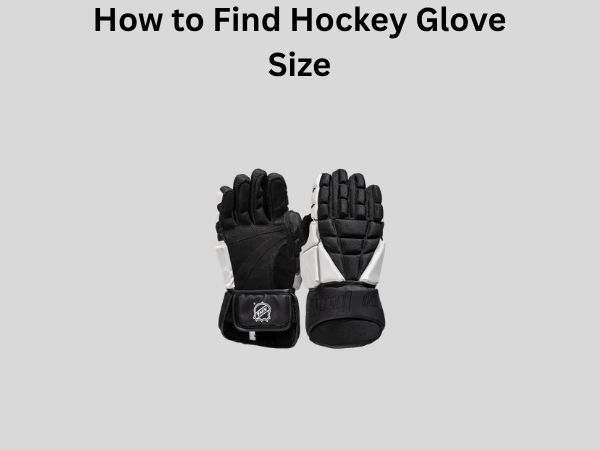
The Hockey Player’s Guide: How to Find Hockey Glove Size
Finding the right hockey glove size can feel like solving a puzzle, but I’m here to walk you through it. Whether you’re a beginner lacing up for the first time or a seasoned player looking to upgrade your gear, getting the perfect fit matters more than you might think. Ill-fitting gloves can throw off your entire game, cause discomfort during practice, and even lead to injury. Let me break down everything you need to know about finding hockey glove sizes that actually work for you.
Understanding Hockey Glove Sizing Basics
Before we dive into the specifics, let’s talk about what hockey glove sizing actually means. Unlike regular gloves where you’re looking at small, medium, or large, hockey gloves are measured in inches. This measurement represents the distance from the base of your palm to the tip of your middle finger when your hand is relaxed. Think of it like finding the right shoe size—precision matters.
Hockey glove sizes typically range from 8 inches for youth players up to 15 inches for larger adults. Most players fall somewhere in the 12 to 14-inch range, but that doesn’t mean it applies to everyone. Your age, hand size, and even your playing style can influence what size you actually need.
Why Getting the Right Size Matters
I can’t stress this enough: proper-fitting gloves directly impact your performance. Too tight, and you’ll experience reduced dexterity, numb fingers, and fatigue that builds up quickly during a game. Too loose, and you lose the feel of your stick, your shot accuracy suffers, and you’re more prone to injuries because the padding doesn’t protect you properly. It’s like wearing shoes that don’t fit—eventually, everything hurts.
Measuring Your Hand for Hockey Gloves
Now let’s get down to the practical stuff. The best way to measure your hand is the most straightforward method. You don’t need any fancy tools—just a ruler and a few minutes of your time.
The Step-by-Step Measurement Process
Start by laying your hand flat on a table with your palm facing down and your fingers slightly spread. Place a ruler or measuring tape at the base of your palm, right where your wrist meets your hand. Then, measure straight up to the tip of your middle finger. Make sure you’re measuring in a straight line and keeping your hand as relaxed as possible. This number, in inches, is your hockey glove size.
Here’s an important tip: measure both hands. Most people have slightly different hand sizes, so you’ll want to use the measurement of your larger hand. This ensures your dominant hand (whichever one that is) gets proper protection and comfort.
Factors That Influence Your Measurement
Your hand size isn’t the only thing to consider. If you’re still growing—say you’re a teenager—you might want to size up half an inch or even a full inch to account for growth. Nobody wants to buy new gloves every six months. On the flip side, if you have unusually wide hands or thick fingers, you might find that a size up works better for overall comfort, even if the length seems right.
Hockey Glove Size Charts: Your Reference Guide
Different manufacturers sometimes have slight variations in their sizing, but there’s a pretty standard chart that most brands follow. Let me break it down for you:
- Youth sizes typically run from 8 to 10 inches for younger players
- Junior sizes fall between 10 to 12 inches, perfect for growing teens
- Senior small sizes start at around 12 inches
- Senior medium to large range from 13 to 14 inches
- Senior extra-large gloves go up to 15 inches or beyond
When you’re shopping, these charts are your best friend. Most manufacturers provide them on their websites or packaging, so don’t hesitate to check them out before making a purchase.
Brand-Specific Sizing Differences
Here’s something that catches a lot of people off guard: not all brands size the same way. Bauer, CCM, and Warrior—the big names in hockey equipment—each have their own slight variations. Bauer tends to run a bit roomy in the palm area, while CCM often feels snugger around the wrist. Warrior falls somewhere in the middle. This is why trying on gloves from different brands when possible can really help you understand where you fit best.
Trying On Hockey Gloves: What to Look For
If you have the opportunity to try on gloves in person, take it. This is honestly the best way to ensure you’re getting something that actually works for your hands.
The Fit and Feel Test
When you slip on a pair of gloves, your fingertips should be close to the end of the glove without pressing painfully against it. There should be a tiny bit of space—think of it like a millimeter or two of wiggle room. Your palm should feel snug but not constricted. You should be able to make a fist comfortably and have your fingers curl naturally inside the glove.
Try grabbing an imaginary hockey stick and move your hands around as if you’re skating. Does anything feel pinched? Do your wrists feel supported? Can you move your fingers independently? These questions matter because you’re going to be wearing these gloves for hours during games and practices.
The Temperature Consideration
Here’s something people often overlook: your hands swell slightly when you’re active and warm, but they’ll be inside a rink that’s significantly colder than room temperature. What feels perfectly snug in a warm pro shop might feel a bit loose once you’re out on the ice. This is actually a good thing—it gives you a little extra room for movement without being sloppy.
Youth vs. Adult Hockey Glove Sizing
If you’re shopping for a young player, sizing becomes even more important because kids grow so quickly. Let’s talk about how to navigate this.
Sizing for Growing Kids
For kids aged 4 to 6, you’re typically looking at 8-inch gloves. By ages 7 to 10, they’ll usually wear 9 to 10-inch gloves. Teens around 11 to 13 often fit into 11 to 12-inch sizes, and by the time they’re 14 and up, they’re likely moving into adult sizing.
The temptation to buy bigger gloves “so they’ll grow into them” is real, but resist it. Oversized gloves throw off a kid’s sense of stick control and can actually make them feel less confident. Instead, buy what fits now and plan to replace them in a year or two if needed. Your kid’s development on the ice is worth the investment.
The Bridge Between Youth and Adult Sizes
Interestingly, there’s often a gap between the largest youth gloves and the smallest adult gloves. A teenager whose hands are between 11.5 and 12.5 inches might find youth gloves too small and adult gloves slightly roomy. In these cases, going with adult gloves that are on the smaller end of the range usually works well because those extra few millimeters can be taken up by thicker socks or just natural hand movement.
Shopping Online vs. In-Store for Hockey Gloves
The internet has made shopping for hockey gear convenient, but there are trade-offs between buying online and visiting a physical store.
Advantages of Shopping In-Store
When you’re in a hockey shop, you get instant feedback. You can try on multiple pairs, compare brands side by side, and get advice from staff members who know the equipment inside and out. You can move around, simulate playing motions, and make sure everything feels right before you hand over your money. For first-time buyers especially, this hands-on experience is invaluable.
Making Online Shopping Work for You
Online shopping is fantastic for convenience and often offers better prices, but it requires more confidence in your sizing knowledge. Before ordering, check the return policy. Most reputable hockey retailers offer free returns within 30 days, which gives you a safety net. Read customer reviews carefully—people often mention how gloves fit and whether they run large or small. And if you’re unsure, don’t hesitate to contact customer service before purchasing.
Common Sizing Mistakes People Make
After talking to countless hockey players, I’ve noticed some recurring mistakes that people make when choosing glove sizes.
Mistake #1: Buying by Age Instead of Hand Size
This is huge. A 12-year-old might have hands that are smaller or larger than average, making a “youth size 12” glove completely wrong for them. Always measure first, then compare to size charts. Age is just a rough guide.
Mistake #2: Going Too Big for Growth
I mentioned this earlier, but it’s worth repeating. Oversized gloves hurt your game more than outgrowing slightly-too-small gloves. Kids grow fast, sure, but they also develop their skills fastest when they have the right-fitting equipment. A pair of properly-fitted gloves might last 18 months; oversized ones might last longer physically but cost you in performance.
Mistake #3: Ignoring Wrist Sizing
Some people focus only on hand length but ignore wrist fit. Your glove should wrap snugly around your wrist without cutting off circulation or feeling loose enough to slip around. A glove that fits your hand perfectly but has a wrist that’s too loose defeats the purpose. The wrist area provides crucial support and protection.
How Padding Thickness Affects Sizing Perception
Here’s something that might surprise you: glove sizing isn’t just about the exterior dimensions. The amount and density of padding varies between models, and this affects how tight a glove feels even if the size number is the same.
A Bauer glove with ultra-soft foam padding might feel roomier than a CCM glove with denser padding in the same size. This is why you can’t just assume that two gloves labeled “13 inches” will fit identically. The padding thickness, material composition, and internal design all play a role in the actual feel.
Temperature and Glove Fit: Understanding the Cold Factor
Your hands respond to cold in specific ways, and this impacts how your gloves fit. When you step into a cold rink for the first time, your hands initially contract slightly. As you warm up during play, they expand again. Most people don’t notice this dramatic shift, but your gloves do.
This is why I recommend trying gloves on in a cool environment if possible, or at least understanding that what feels snug in a warm shop will feel a bit looser once you’re on the ice. It’s actually ideal—you want that little bit of extra room for movement once you’re active and your hands warm up.
When to Re-Measure and Get New Gloves
Glove sizing isn’t a one-time thing. As you develop as a player or if you’re still growing, your needs might change.
Signs You Need New Gloves
If your gloves feel too tight and you’re getting numb fingers even after your hands warm up, it’s time to size up. If your fingertips are pushing against the end of the glove or if blisters are forming, you need a bigger size. On the flip side, if gloves are so loose that you can’t feel your stick properly or they slide around on your hands, you need to go smaller or try a different brand with different padding density.
Growth Spurts and Re-Evaluation
Young players should have their hands measured annually. If you measure a half-inch growth over the past year, it’s worth considering moving up to the next size, especially if you’re at the upper end of a particular size range. Adult players who are done growing might go years without needing new gloves, but it’s still good to evaluate them annually as they break down with use.
Final Tips for Finding Your Perfect Hockey Glove Size
Let me give you some final wisdom based on what I’ve learned about hockey glove sizing:
- Always measure both hands and use the larger measurement
- Consult the specific manufacturer’s size chart, not a generic one
- Try on gloves if possible; if ordering online, check the return policy
- Account for growth if you’re a young player, but don’t overssize dramatically
- Remember that different brands fit differently
- Test the fit by simulating actual playing motions
- Re-measure periodically as you grow or your needs change
- Read customer reviews to understand how specific models fit
- Don’t assume a glove’s fit based on another size you’ve worn in different sports
- Contact customer service if you’re unsure before making a purchase
Conclusion
Finding the right hockey glove size isn’t complicated, but it does require attention to detail and a willingness to measure properly and try things on when possible. Your gloves are your connection to the ice and your stick—they’re fundamental to your game. Taking the time to get this right pays dividends in comfort, performance, and injury prevention. Start with an accurate hand measurement, check it against the manufacturer’s size chart, and when possible, try before you buy. Your hands will thank you, and more importantly, your game will thank you. Whether you’re just starting out or you’re a veteran player, these sizing principles remain constant, and following them will lead you to gloves that actually work for your unique hands and playing style.
Frequently Asked Questions
What if my hands are between two sizes?
If your hand measurement falls exactly between two sizes—say, you measure 12.5 inches—go with the larger size. It’s easier to manage slightly looser gloves than to squeeze into gloves that are too tight. You can always add an extra sock layer under your glove if needed, but you can’t make a tight glove bigger.
Do hockey gloves stretch over time?
Yes, they do stretch slightly with use and time, especially around the wrist and palm areas. However, don’t count on this when making your initial purchase decision. A glove that’s uncomfortably tight today won’t stretch enough to become comfortable. The slight stretch that occurs is a bonus, not a reason to buy smaller gloves.
Should I measure my gloves if I already own a pair that fits well?
Absolutely. If you have a pair of gloves that feel perfect, you can measure them from the inside to determine your size. This measurement can then be used as a reference when shopping for new gloves from any brand. It takes the guesswork out of online shopping.
How do I know if my child’s hockey gloves are too small?
If your child complains of numb fingers that don’t recover with movement, if you see red marks or indentations on their fingers after removing the gloves, or if they can’t make a comfortable fist inside the glove, the gloves are too small. These are clear signs it’s time to move up to the next size.
Are expensive hockey gloves bigger or smaller than budget options?
Price doesn’t determine sizing—the manufacturer and model do. High-end gloves and budget options from the same brand usually fit similarly in terms of sizing, though they may differ in padding quality and materials. The key is to always check the specific size chart for the model you’re interested in, regardless of price point.
“`