How to Find My Glove Size: A Complete Guide to Perfect Fitting Gloves
Have you ever slipped on a pair of gloves only to find they’re either bunching up at your fingertips or cutting off circulation to your hands? You’re not alone. Finding the right glove size is something most people struggle with, yet it’s surprisingly straightforward once you know what to do.
In this comprehensive guide, I’m going to walk you through everything you need to know about finding your perfect glove size. Whether you’re shopping for winter wear, work gloves, or something more specialized, understanding how glove sizing works will save you time, money, and the frustration of returns.
Understanding Glove Sizing Basics
Before we dive into the nitty-gritty of measurements, let’s talk about what glove sizes actually mean. When you see a glove marked as “size 8” or “small,” that number or label represents the circumference of your hand—essentially how wide your hand is when measured around the knuckles. Think of it like how clothing sizes work: just as you wouldn’t buy a shirt without knowing whether you’re a small or large, you shouldn’t buy gloves without understanding your hand measurements.
The tricky part is that glove sizing isn’t universal. Different brands, different countries, and different glove types all use slightly different sizing standards. This is why two gloves labeled “medium” might fit completely differently. Understanding this upfront will help you approach your glove shopping with realistic expectations.
Why Accurate Glove Sizing Matters
You might be wondering why getting the exact right size matters so much. Well, gloves that are too tight restrict blood flow, make your hands cold faster, and can cause numbness in your fingers. Gloves that are too loose don’t provide adequate insulation, they slip around awkwardly, and they offer poor dexterity when you need to handle objects. The right size ensures comfort, warmth, and functionality—all crucial when you’re wearing gloves for extended periods.
Measuring Your Hand for Accurate Sizing
Now, let’s get down to brass tacks. The best way to find your glove size is to measure your hand yourself. You don’t need fancy equipment—just a soft measuring tape and a few minutes of your time. Here’s how to do it properly.
Step-by-Step Hand Measurement Process
First, grab a soft measuring tape (the kind tailors use, not a metal ruler). If you don’t have one, you can use a piece of string and then measure it against a ruler—that works just fine too.
Measure your dominant hand—the hand you use more frequently. This is important because most people’s hands are slightly different sizes, and you want to ensure your gloves fit your main hand comfortably.
Here’s the exact technique: Place the measuring tape around your hand at the widest point, which is across your knuckles. This is typically just below where your fingers meet your palm. Don’t include your thumb in this measurement. Wrap the tape snugly around your hand, but not so tight that you’re compressing the soft tissue. You want a comfortable fit, as if someone were gently holding your hand.
Write down this measurement in inches. This number is your glove size.
Understanding Inch Measurements
So you’ve measured your hand and got, say, 8.5 inches. That means you likely wear a size 8 or 8.5 in most glove charts. Here’s a rough guide to converting your measurement:
- 5.5 to 6 inches = Extra Small (XS)
- 6 to 6.5 inches = Small (S)
- 6.5 to 7.5 inches = Medium (M)
- 7.5 to 8.5 inches = Large (L)
- 8.5 to 9.5 inches = Extra Large (XL)
- 9.5 to 10.5 inches = XXL
Keep in mind that these ranges are approximate, and different manufacturers might have slightly different standards. That’s why the next step is crucial.
Interpreting Glove Size Charts
Once you have your hand measurement, you need to consult the specific brand’s size chart. This is where things get interesting because manufacturers don’t always follow the same standards.
How to Read a Typical Glove Size Chart
Most reputable glove manufacturers provide detailed size charts on their websites or product pages. Here’s what you should look for:
- Hand circumference measurements (usually in both inches and centimeters)
- Corresponding sizes (often using numbers, letters, or both)
- Fit descriptions (some charts note whether a brand runs small, large, or true to size)
- Length measurements (important for determining cuff length)
Always check the chart before making a purchase. Many online retailers have added helpful notes like “this brand runs small, so consider sizing up” or “true to size.” These comments from the company itself are gold when you’re trying to find the right fit.
The Importance of Comparing Multiple Measurements
If a size chart includes multiple measurements—say, hand circumference, palm width, and finger length—take note of all of them. Some people have wider hands relative to their circumference, while others have longer fingers. If you fall into either category, you might need to size up or down slightly to accommodate these variations.
Different Sizing Systems Explained
Here’s where things get a bit confusing, but I’ll break it down for you. Different regions and industries use different sizing systems. Understanding which system you’re dealing with makes a huge difference.
The Numeric System (Numbers 5-12)
This is probably the most common system you’ll encounter. Sizes are simply numbered, usually from 5 to 12, sometimes with half sizes like 8.5 or 9.5. Each number represents the circumference of your hand in inches. A size 8 glove means the circumference is approximately 8 inches. This system is straightforward and used by most mainstream brands.
The Alphabetic System (XS, S, M, L, XL)
Some brands prefer alphabetic sizing, which is easier for retailers to manage but can be less precise. However, knowing that you’re typically a size M should give you a starting point. The challenge here is that “medium” might mean 7 inches for one brand and 7.5 inches for another. This is why checking the specific brand’s size chart is essential.
European Sizing System
If you’re buying European-made gloves, you might encounter sizes listed as 6, 6.5, 7, 7.5, 8, 8.5, 9, 9.5, 10, and so on. These numbers directly correspond to centimeters of hand circumference. To convert from inches to centimeters, multiply by 2.54. So if your hand measures 8 inches, that’s approximately 20.3 centimeters, meaning you’d wear a size 20 in European sizing.
The Letter System (A, B, C, D)
Less common but still used by some manufacturers, particularly in industrial or specialized glove production. Usually, A is the smallest size and D or higher is the largest. This system typically corresponds to numeric sizes as follows: A = 5-6, B = 6.5-7.5, C = 8-9, D = 9.5+. Always verify with the specific manufacturer.
Specific Types of Gloves and Their Sizing
Here’s something many people don’t realize: glove sizing can vary significantly depending on what type of glove you’re buying. Winter gloves, work gloves, leather gloves, and sports gloves might all have slightly different sizing conventions.
Winter and Cold Weather Gloves
Winter gloves tend to run slightly larger to accommodate layering underneath. If you measure your hand and get a size 8, you might want to stick with size 8 for winter gloves. They’re insulated, so they’ll feel slightly thicker and more bulky than a standard glove. Some people actually prefer to size down by half a size for winter gloves to ensure a snug fit despite the extra material.
Leather Gloves
Leather gloves are typically more form-fitting than their textile counterparts. Leather stretches slightly with wear and body heat, so you want them to fit snugly when you first buy them, but not so tight that your fingers are cramped. If you’re between sizes with leather gloves, I’d recommend going with the smaller size. The leather will mold to your hand after a few uses.
Work and Safety Gloves
These gloves prioritize function over fashion, so sizing can vary wildly depending on the specific application. A heavy-duty work glove might run larger to fit over wrist protection or other layers. Always consult the manufacturer’s sizing chart for these, as they often include notes about fit and recommended sizing adjustments.
Sports and Athletic Gloves
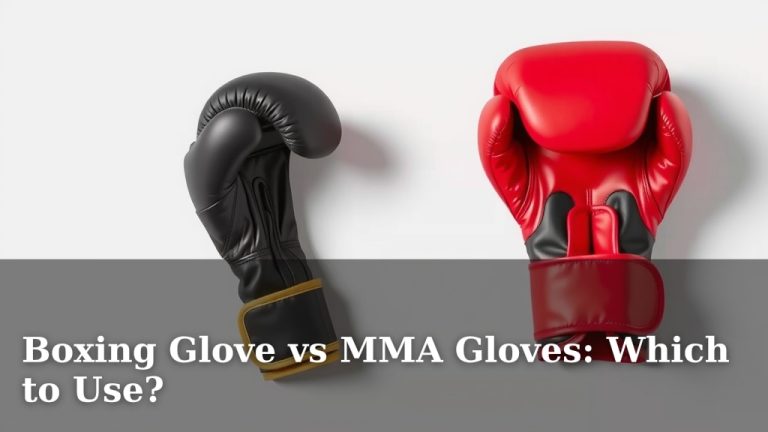
Whether you’re buying boxing gloves, cycling gloves, or skiing gloves, each sport has its own conventions. Boxing gloves, for instance, aren’t sized the same way as everyday gloves—they’re measured in ounces (the weight of the padding), not hand circumference. Always verify what measurement system is being used for sports-specific gloves.
Dress and Formal Gloves
These tend to be more snug and form-fitting than casual gloves. If you like a more comfortable, less tight fit, you might want to size up. Conversely, if you prefer a sleek appearance, stick with your measured size.
Common Sizing Mistakes to Avoid
I’ve seen people make the same glove-sizing mistakes over and over again. Let me share these with you so you don’t fall into the same traps.
Mistake #1: Measuring Your Non-Dominant Hand
Some people instinctively measure their non-dominant hand because it might be smaller or feel more convenient. This is a mistake. Your dominant hand is what matters for everyday glove wear, and that’s the hand that should determine your size.
Mistake #2: Measuring Too Tightly or Too Loosely
When you wrap that measuring tape around your hand, you need to find the sweet spot. Too tight, and you’ll get an artificially small measurement. Too loose, and your gloves will be too big. The right tension is what I call the “comfortable handshake” pressure—firm but not restrictive.
Mistake #3: Ignoring the Brand’s Fit Notes
Many brands include information stating whether they run small, large, or true to size. Ignoring this information is a surefire way to end up with poorly fitting gloves. If a brand is known for running small, and you’re already at the top of a size range, consider sizing up.
Mistake #4: Not Accounting for Layers
If you plan to wear your gloves over thermal underlayers or liners, you might need to size up. Conversely, if you like wearing thin silk liners, you don’t need to adjust. Think about how you’ll actually be using the gloves and measure accordingly.
Mistake #5: Assuming All “Medium” Gloves Are the Same
This is probably the most common mistake. A medium from Brand A might be completely different from a medium from Brand B. Always check the specific brand’s size chart, even if you’ve bought from them before, as they sometimes adjust their sizing.
How to Verify Your Size Before Buying
Once you think you know your size, how do you make sure before you commit to a purchase? Here are several strategies that work well.
Strategy #1: Order from Retailers with Easy Returns
When you’re trying a new brand, order from a retailer that offers free or easy returns. This removes the risk from trying a new size. Amazon, Zappos, and many other online retailers have generous return policies that let you test gloves risk-free.
Strategy #2: Visit a Physical Store
If possible, visit a department store, sporting goods store, or specialty glove shop where you can try on different sizes in person. This is the most reliable way to find your exact size. Take your hand measurement with you as a reference point, and try on a few different sizes to see what feels right.
Strategy #3: Read Customer Reviews Carefully
Before buying online, read through customer reviews. Look specifically for comments about sizing. Phrases like “runs small” or “fits perfectly true to size” give you real-world feedback that’s invaluable. Pay more attention to reviews from people with similar hand measurements to yours.
Strategy #4: Check the Return Policy
Some retailers offer size exchanges for free if the gloves don’t fit. If a retailer offers this, it takes a lot of stress out of ordering. You can order what you think is your size and exchange it if needed without paying shipping.
Strategy #5: Ask Customer Service
Don’t be shy about contacting customer service, especially for pricier gloves. Many companies are happy to help you figure out your size based on your measurements. Some even have sizing specialists who can provide personalized recommendations.
Additional Factors That Affect Glove Fit
Size is important, but it’s not the only thing that determines whether a glove fits well. Several other factors come into play.
Hand Shape Variations
People’s hands come in all shapes and sizes. Some hands are wider relative to their circumference, some are longer, some have broader palms. If your hand has any unusual proportions, note these when selecting gloves. You might need to prioritize fit in one area over another.
Cuff Length Preferences
How long should the glove cuff be? This is a personal preference, but it affects comfort and functionality. For everyday winter gloves, you probably want a cuff that extends at least a couple of inches up your wrist. For work gloves, it depends on the job. For dress gloves, a shorter cuff is often preferred. Check the cuff length measurements on the size chart, not just the hand circumference.
Material and Stretch Factor
Different materials have different stretch properties. Spandex blends stretch more than pure leather. Wool has some give to it. Cotton is relatively inflexible. If you’re buying stretchy material, you might be able to size down slightly. With rigid materials, you might need to size up slightly.
Glove Lining Type
The lining of the glove—whether it’s fleece, silk, wool, or unlined—affects how snug the glove feels on your hand. Thicker linings make gloves feel tighter. If you’re