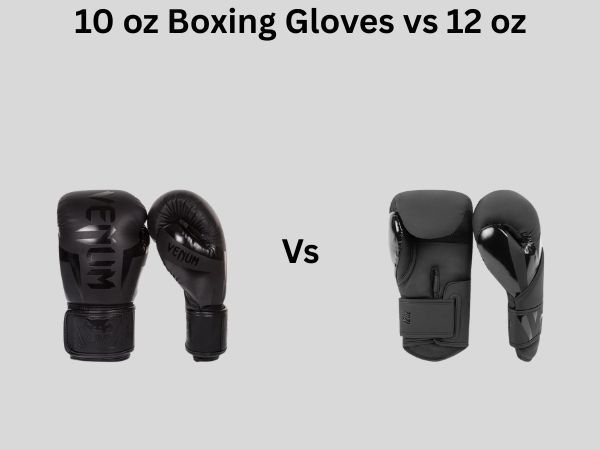
10 oz Boxing Gloves vs 12 oz: Which Size Is Best for Training or Fights?
If you’ve ever stepped into a boxing gym or considered taking up the sport, you’ve probably found yourself standing in front of a wall of gloves wondering: which size should I actually choose? The debate between 10 oz and 12 oz boxing gloves is more nuanced than you might think, and the answer isn’t one-size-fits-all. Let me walk you through everything you need to know to make an informed decision that’ll serve your boxing journey well.
Understanding Boxing Glove Weight Measurements
Before we dive into the nitty-gritty of comparing these two popular glove sizes, it’s crucial to understand what that number actually means. When we talk about a 10 oz or 12 oz boxing glove, we’re referring to the weight of the glove itself, not the amount of padding inside. Think of it like comparing two jackets—the heavier one offers more insulation, but it also restricts your movement a bit more.
The ounce measurement is standardized across the boxing world, making it easy for athletes, trainers, and equipment manufacturers to communicate about glove specifications. However, there’s more to consider than just weight. The padding distribution, materials used, and how well they fit your hands all play significant roles in your boxing experience.
The Fundamental Differences Between 10 oz and 12 oz Gloves
The two-ounce difference between these glove sizes might not sound like much, but in boxing, it translates to meaningful variations in how they perform. The extra two ounces in a 12 oz glove typically means additional padding, which affects everything from how fast you can throw punches to how much punishment your hands can withstand.
Weight Distribution and Feel
When you slip on 10 oz gloves, you’ll immediately notice they feel lighter and more responsive on your hands. Your wrists won’t work as hard to move them around, and you’ll naturally throw faster combinations. The 12 oz gloves, on the other hand, feel more substantial. It’s like the difference between driving a sports car and driving a sedan—both will get you where you need to go, but the experience is distinctly different.
Padding Thickness
Generally speaking, 12 oz gloves come with thicker padding concentrated around the knuckle area and palm. This extra cushioning spreads the impact force over a larger surface area, which is why they’re often recommended for newer boxers. The 10 oz gloves have less padding, which means the impact is more direct and concentrated, making them sharper but potentially more taxing on your hands.
10 oz Boxing Gloves: When and Why to Use Them
Ten-ounce gloves are the lighter option in this comparison, and they come with distinct advantages for certain situations. These gloves are particularly popular among experienced boxers and professional fighters who know how to use them effectively.
Speed and Agility Benefits
One of the biggest advantages of 10 oz gloves is the speed advantage they provide. Because they weigh less, your arms don’t have to work as hard to move them around the ring. This means you can throw more combinations in shorter periods, which is absolutely crucial during professional fights where every second counts. If you watch professional boxing matches, you’ll notice fighters often use lighter gloves because that extra hand speed can mean the difference between landing a punch and getting countered.
Professional Fight Regulations
In many professional boxing divisions, 10 oz gloves are the standard or are permitted for certain weight classes. For example, lighter weight divisions often use 10 oz gloves because the athletes themselves are smaller and lighter. The sanctioning bodies understand that glove size should be proportional to the fighter’s physical stature.
Who Should Choose 10 oz Gloves
- Experienced boxers with solid technique and hand conditioning
- Fighters competing in professional or amateur matches
- Those training specifically for fights rather than general fitness
- Smaller-framed individuals who find 12 oz gloves cumbersome
- Athletes focused on developing hand speed and combination work
12 oz Boxing Gloves: The Versatile Standard
If 10 oz gloves are the sprinter, then 12 oz gloves are the marathon runner. They’re more forgiving, more protective, and ultimately more practical for a wider range of boxing activities. You’ll find 12 oz gloves in most gym bags because they’re the safest, most balanced choice for varied training.
Protection and Hand Safety
The extra padding in 12 oz gloves provides superior protection for both your hands and your training partner’s face. Think about it this way: would you rather get hit with a lighter hammer or a heavier one? The heavier tool might move slightly slower, but it distributes the force more evenly. That’s what 12 oz gloves do—they cushion impacts better, reducing the stress on your knuckles, wrists, and joints.
Ideal Training Applications
Twelve-ounce gloves are the go-to choice for most training scenarios. Whether you’re practicing combinations on a heavy bag, doing pad work with a coach, or sparring with partners, 12 oz gloves strike an excellent balance. They’re not so light that they put excessive strain on your hands, but they’re not so heavy that they completely kill your hand speed.
Who Should Choose 12 oz Gloves
- Beginners just starting their boxing journey
- Fitness-focused boxers who train for health rather than competition
- Anyone engaging in frequent sparring sessions
- Individuals with previous hand or wrist injuries
- Larger athletes who need proportional glove sizing
- Boxers training year-round and prioritizing hand longevity
Comparing Impact Force and Hand Protection
Let’s talk about what really matters to your hands and health. The amount of padding and weight directly correlates with impact force distribution and protection.
Shock Absorption Differences
When your glove connects with a heavy bag or a person’s face, the momentum has to go somewhere. With 12 oz gloves, that momentum is absorbed over a longer distance thanks to the thicker padding. With 10 oz gloves, the shock travels more directly and quickly through the padding into your hand. This is why professional fighters, who’ve spent years conditioning their hands, can handle 10 oz gloves. Their hands are essentially bulletproof. But if you’re new to boxing, this difference matters significantly.
Risk Factors for Hand Injuries
Repeated exposure to high-impact activities with insufficient padding increases your injury risk. Studies on boxing injuries have shown that hand and wrist problems are among the most common complaints, especially among people who trained with inadequate protection early in their careers. Using properly padded gloves isn’t just about comfort—it’s about preserving your hands for life after boxing.
Training Goals: Which Glove Size Matches Your Objectives
Your choice between 10 oz and 12 oz gloves should align with what you’re actually trying to accomplish. Are you training to compete, or are you boxing for fitness and fun? These different goals warrant different equipment choices.
For Competition Training
If you’re training with the intention of competing in amateur or professional boxing, you should gradually work toward the glove size that matches your competition division. Most fighters spend the majority of their training in slightly heavier gloves to build endurance and hand strength, then transition to their competition glove size a few weeks before a fight. This strategy allows them to develop power while protecting their hands throughout training, then get accustomed to the lighter gloves just before competition.
For Fitness and General Training
If you’re boxing primarily for fitness, cardiovascular health, or stress relief, the 12 oz gloves are almost certainly your better choice. You’re not racing against the clock in the ring, so the slight reduction in hand speed isn’t a concern. What matters more is that you can train comfortably, stay healthy, and continue boxing for years to come without developing chronic hand problems.
For Skill Development
Interestingly, many trainers recommend that beginners start with 12 oz gloves to develop proper technique without being distracted by hand soreness or fatigue. Once your fundamental skills are solid, you can transition to lighter gloves if needed. This approach ensures you’re learning the right mechanics from the start rather than developing bad habits to compensate for hand discomfort.
Professional Fighting Requirements and Regulations
Professional and amateur boxing isn’t a free-for-all. Various sanctioning bodies have specific rules about glove weights for different situations.
Amateur Boxing Standards
Amateur boxing organizations typically have established guidelines. For many weight classes in amateur boxing, 10 oz gloves are standard, though some heavier weight classes might require 12 oz or even 14 oz gloves. The governing bodies determine these standards based on safety considerations and the physical proportions of fighters in each weight class. A heavyweight fighter using 10 oz gloves has proportionally more hand protection relative to their size compared to a lightweight fighter in the same gloves.
Professional Boxing Standards
Professional boxing generally allows for more flexibility, with sanctioning bodies like the WBC, WBA, IBF, and WBO each having their own specifications. Most professional fights in lower weight classes use 8 oz gloves, while heavier weight classes might use 10 oz or 12 oz. The rules exist primarily to ensure fair competition and adequate safety measures.
Hand Size and Personal Comfort Considerations
Here’s something that often gets overlooked in the 10 oz versus 12 oz debate: not all hands are the same size, and comfort matters tremendously.
How Hand Size Affects Glove Selection
If you have smaller hands, 12 oz gloves might actually feel bulky and restrictive, potentially causing more problems than solutions. The padding might shift around on your hands during training, and you’ll expend extra energy just moving the gloves. Conversely, if you have large hands, 10 oz gloves might not provide enough material to properly support your wrists and knuckles. It’s similar to wearing shoes that don’t fit properly—they look right, but they feel terrible and cause problems.
Wrist Circumference and Support
Different glove manufacturers design their wrist closures differently. Some 10 oz gloves have excellent wrist support, while some 12 oz gloves have mediocre support. Don’t assume that the heavier glove automatically means better wrist stability. Try on different brands and models to find what works specifically for your anatomy.
Speed and Mobility: The Weight Factor
There’s no denying that the two-ounce difference affects your movement speed and stamina during training and fighting.
Hand Speed Development
Lighter gloves naturally allow for faster hand speed, which is why boxers often notice a significant boost in their combination work when they switch from 12 oz to 10 oz gloves. However, here’s an interesting paradox: training regularly in heavier gloves actually builds the fast-twitch muscle fibers and explosive power that translates to speed even in lighter gloves. It’s like strength training with weights—you lift heavy things to build strength, then you can move lighter things very quickly.
Endurance Implications
Over the course of a twelve-round fight, repeatedly moving 10 oz gloves versus 12 oz gloves creates a measurable difference in arm fatigue. The cumulative effect of throwing thousands of punches means your arms will feel fresher longer with lighter gloves. This is another reason why professionals often prefer 10 oz gloves—every advantage adds up in a competitive fight.
Wrist Support and Injury Prevention
Your wrists take a tremendous beating in boxing, absorbing the impact force from every punch you throw. The glove weight and design directly affect how well your wrists are protected.
Padding Around the Wrist
Most 12 oz gloves come with additional padding along the wrist area, providing extra cushioning and support. This extra padding helps distribute impact forces more evenly and can prevent cumulative strain injuries. Ten-ounce gloves, by design, have less material available for wrist padding, which is why proper wrapping technique becomes even more important when using them.
Hand Wrapping Techniques
Regardless of which glove size you choose, proper hand wrapping is essential for injury prevention. Many beginners don’t realize that the hand wrap is doing most of the work protecting your hands and wrists—the gloves are just the outer layer. Using quality wraps and learning the correct wrapping technique is perhaps even more important than choosing between 10 oz and 12 oz gloves.
Budget Considerations and Value for Money
Let’s be practical: budget matters when you’re buying boxing equipment, especially if you’re just starting out.
Price Differences
Generally speaking, 10 oz gloves and 12 oz gloves from the same brand and quality level are similarly priced. The weight difference doesn’t significantly affect manufacturing costs. However, you might find that entry-level 12 oz gloves are more readily available and slightly cheaper on average because they’re the most popular choice for beginners. Premium 10 oz gloves tend to be marketed toward serious competitors and might be positioned at a higher price point.
Durability and Longevity
Interestingly, 12 oz gloves might actually last longer than 10 oz gloves in some cases because the extra padding distributes impact forces more evenly, reducing localized wear. However, durability ultimately depends much more on the brand quality and how well you maintain your gloves than on the weight difference. Proper care—keeping gloves dry, using glove deodorant, and rotating between pairs—extends the life of either weight significantly.
Real-World Experiences from Boxers
Sometimes the best way to understand the difference between 10 oz and 12 oz gloves is to hear from people who’ve used both extensively.
Beginners’ Perspectives
New boxers consistently report that 12 oz gloves feel more comfortable initially. Their hands hurt less at the end of training sessions, and they can focus on learning technique rather than managing hand pain. Many coaches specifically recommend 12 oz for this reason—they know that comfort leads to consistency, and consistency leads to improvement.