Choosing the Right Boxing Glove Size: A Guide
Knowing what size boxing gloves you need is all about your weight and what you’ll be doing with them. Generally, gloves range from 8 oz to 20 oz, with lighter gloves for competition and heavier ones for training. Finding the right fit ensures your hands are protected and you can train effectively.
Many people wonder if there’s a one-size-fits-all solution, but that’s not the case. Your glove size depends on several factors, including whether you’re training, sparring, or competing. We found that a good pair offers both protection for your hands and your training partner.
- Weight is the biggest factor in glove size.
- Purpose matters: training, sparring, or competing.
- Proper fit protects your hands and others.
- Don’t forget hand wraps add bulk.
Let’s break down exactly how to choose the perfect boxing glove size for your needs.
Choosing the Right Boxing Glove Size for You
Selecting the proper boxing glove size is key to protecting your hands and ensuring effective training. It’s not as simple as grabbing the first pair you see. We found that the ideal glove size depends on your body weight and the activity you’ll be doing.
Understanding Glove Weight and Its Importance
Boxing gloves are measured in ounces (oz), which indicates their weight. This weight is a good proxy for padding and protection. Heavier gloves offer more padding, making them better for impact absorption. Lighter gloves are typically used for speed and competition.
The Role of Your Body Weight
Your personal body weight is the primary driver for glove size. Heavier individuals generally need heavier gloves. This is because they often generate more power. More power means more impact force. Heavier gloves can better absorb this force (National Federation of State High School Associations). This protects both your hands and your training partners.
A General Weight Guideline
We found that most manufacturers offer charts to help you choose. Here’s a general guide to get you started:
| Your Weight | Recommended Glove Size | Primary Use |
|---|---|---|
| Under 100 lbs | 8 oz – 10 oz | Competition, speed work |
| 100 lbs – 125 lbs | 10 oz – 12 oz | Competition, light training |
| 125 lbs – 150 lbs | 12 oz – 14 oz | Sparring, general training |
| 150 lbs – 175 lbs | 14 oz – 16 oz | Heavy bag, sparring, training |
| Over 175 lbs | 16 oz – 20 oz | Heavy bag, intense sparring, training |
Remember, these are starting points. Other factors can influence your final decision.
Purpose of Your Training Matters
What you’re doing in the gym significantly impacts glove choice. Are you hitting the heavy bag? Are you sparring with a partner? Or are you preparing for a competition?
Competition Gloves (8 oz – 10 oz)
These gloves are designed for speed and quick punches. They offer less padding. This is because the focus is on maximizing punch impact for scoring. Boxers need to make their punches count in the ring. You’ll see these used in professional and amateur bouts.
Training Gloves (12 oz – 20 oz)
Training gloves are all about protection. They have more padding to absorb the shock of hitting pads, heavy bags, or an opponent during sparring. Heavier training gloves are generally recommended for sparring to offer maximum safety.
Sparring Gloves (14 oz – 16 oz or heavier)
Sparring is a critical part of boxing training. It involves hitting a live opponent. Therefore, it requires gloves with substantial padding. Many gyms mandate a minimum glove weight, often 16 oz, for sparring sessions. This is to minimize the risk of injury for everyone involved.
Don’t Forget About Hand Wraps!
You’ll likely be using hand wraps underneath your boxing gloves. Hand wraps add an extra layer of padding and support to your hands and wrists. We found that wraps can add about 1-2 oz of bulk to your hands. So, if you’re borderline between sizes, consider that extra space. Learn about hand wraps and how they add bulk to your gloves.
A snug fit is essential. Your gloves shouldn’t feel loose or sloppy. When you make a fist, the padding should be evenly distributed. You should feel secure, not cramped. If your gloves feel too tight, they can restrict blood flow.
How to Check for a Proper Fit
Once you have your gloves, try them on with your hand wraps. Make a fist. Does it feel comfortable? Is there enough padding around your knuckles and fingers? Can you still move your fingers slightly?
Here’s a quick checklist to see if your chosen gloves fit well:
- Gloves feel snug, not too tight.
- Fist can be made comfortably.
- Padding is evenly distributed.
- No excessive looseness or slipping.
- Fingers have slight mobility.
- You feel protected and supported.
Many experts agree that a well-fitting glove is essential for injury prevention. Your hands and wrists are your most important tools in boxing. Treat them with the care they deserve by choosing the right glove size.
Conclusion
You now have a clear roadmap to choosing the right boxing glove size. Remember, it’s a blend of your personal weight and the specific training you’ll be doing. Whether you’re aiming for competition speed or sparring safety, the correct glove weight makes all the difference for your hands. Don’t skip the step of trying them on with wraps to ensure a snug, protective fit. Your next step is to look at the general guidelines we provided and select gloves that align with your weight and training goals. Protecting your hands is the first punch you throw for a long, successful boxing journey.
Frequently Asked Questions
Can I use smaller gloves if I have small hands?
Glove size is primarily determined by your body weight and intended use, not just hand size. While hand size matters for comfort, the weight in ounces dictates padding. You still need sufficient padding for protection, especially during sparring, even with smaller hands.
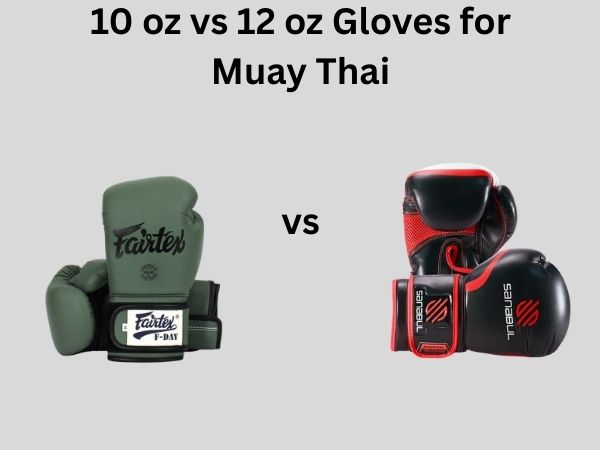
Are boxing gloves different from Muay Thai gloves?
Yes, they can be. Muay Thai gloves often have a slightly more compact design and may have a different finger compartment setup for clinching. While weights are similar, the overall fit and feel can vary, so always check the specific brand and model.
What if I’m right at the weight limit between two glove sizes?
If you’re on the fence, consider what you’ll be doing most often. If it’s heavy bag work or sparring, leaning towards the heavier glove size usually offers better protection. For competition or speed drills, the lighter option might be more suitable.
How often should I replace my boxing gloves?
Boxing gloves don’t last forever. You’ll know it’s time to replace them when the padding is compressed and no longer offers adequate shock absorption, or if the material starts to break down significantly. This can range from one to several years depending on usage and quality.
Do heavier gloves make your punches slower?
While heavier gloves do add weight, they are designed for training and protection, not speed. The slight reduction in speed during training can actually help improve your speed and explosiveness when you switch to lighter competition gloves.