How to Keep Fingers Warm in Gloves This Winter
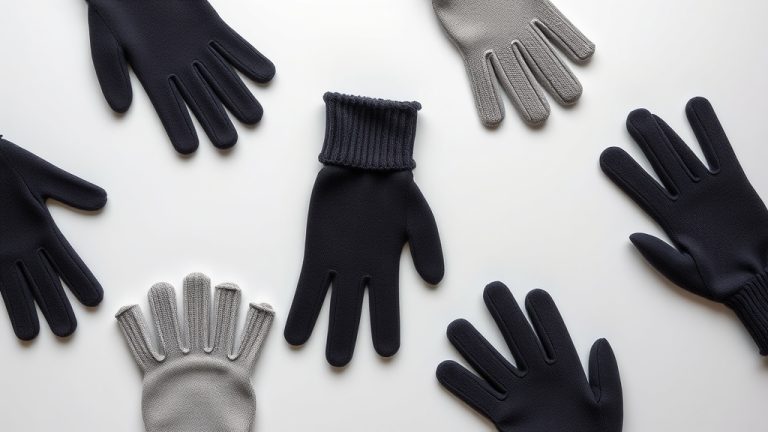
Keeping your fingers warm inside gloves is all about layering and preventing heat loss. The best way to keep your fingers toasty involves wearing thin, moisture-wicking liners under your main gloves and ensuring your gloves fit snugly but not too tight. Cold fingers often happen when blood flow is restricted, so proper glove fit is key.
Many people struggle with cold hands during winter activities. It’s a common problem that can ruin a perfectly good day outdoors. We found that the right combination of materials and accessories can make a huge difference in comfort. Understanding how your body loses heat is the first step to keeping it where you need it—your fingertips.
TL;DR:
- Wear thin liner gloves.
- Ensure your outer gloves fit well.
- Avoid tight-fitting gloves that restrict circulation.
- Use hand warmers for extra heat.
- Keep your core body warm to help extremities.
Ready to finally beat the chill? Let’s walk through the smartest ways to keep your fingers warm and comfortable, even when the temperature plummets.
Winning the Battle Against Cold Fingers in Gloves
Keeping your fingers warm is essential for enjoying winter. Cold fingers can make even simple tasks difficult. Fortunately, there are several effective strategies you can use. We’ll guide you through the best ways to ensure your hands stay comfortable outdoors.
The Science of Cold Hands: Why It Happens
Your body prioritizes keeping your vital organs warm. This means blood flow is redirected away from your extremities. Your fingers and toes are the first to feel the cold. This is a natural survival mechanism. But it can lead to painful, numb digits.
When your core temperature drops, your body conserves heat. Blood vessels in your hands and feet constrict. This reduces blood flow to these areas. This is why your fingers get cold first. It’s your body’s way of protecting your brain and heart.
Your Glove’s Best Friend: The Liner Layer
Think of liner gloves as your secret weapon. These thin gloves go inside your main pair. They add an extra layer of insulation. This traps more warm air close to your skin. Many liner gloves are made from moisture-wicking materials. This is super important.
Why is moisture-wicking so vital? If your sweat can’t escape, it will cool your skin. This makes your hands feel even colder. Materials like merino wool or synthetic blends work best. They pull moisture away from your skin. This keeps your hands dry and warm.
Choosing the Right Liner Material
Merino wool is a fantastic choice. It’s naturally warm, even when damp. It’s also soft and doesn’t itch like traditional wool. Synthetics like polyester or nylon are another good option. They are durable and dry quickly.
Avoid cotton liners at all costs. Cotton absorbs moisture and holds onto it. This will leave your fingers feeling like ice cubes. We found that a good pair of thin liner gloves makes a noticeable difference. It’s a simple step with big results.
The Perfect Fit: Not Too Tight, Not Too Loose
Glove fit is more important than you might think. Gloves that are too tight can restrict blood flow. This is a common reason for cold fingers. Even the warmest glove won’t help if it’s squeezing your hands.
Your gloves should be snug but comfortable. You should be able to wiggle your fingers freely. There should be a little bit of space between your fingers. This air space traps body heat. It acts like a natural insulator.
What Happens When Gloves Are Too Tight
When gloves are too tight, they press on the blood vessels in your hands. This is like pinching a hose. The flow of warm blood to your fingertips slows down. This makes your fingers feel cold very quickly. Many people don’t realize their gloves are too small.
On the other hand, gloves that are too loose let in cold air. They don’t fit snugly against your skin. This means your body heat can escape easily. You want a glove that hugs your hand without squeezing it. It’s a balance you need to find.
Beyond the Basics: Extra Heat for Extreme Cold
Sometimes, even the best gloves and liners aren’t enough. For very cold conditions, you might need extra help. Hand warmers are a great solution. They are small packets that generate heat. You can slip them into your gloves.
There are different types of hand warmers. Disposable air-activated warmers are popular. They start working once exposed to air. Reusable chemical or electric warmers are also available. These can be recharged or reactivated. We found that keeping a few disposable ones in your bag is smart.
Types of Hand Warmers Explained
Disposable warmers typically contain iron powder, salt, and activated carbon. When exposed to oxygen, a chemical reaction occurs, producing heat. They usually last for several hours. They are convenient for single-use situations.
Reusable warmers offer a more eco-friendly option. Some use a metal disc that you bend to activate a crystallization process. Others are electric and can be recharged via USB. Consider how often you’ll need them when choosing. This can help you decide which type is best for your needs.
Don’t Forget Your Core: Warmth Starts From Within
Keeping your fingers warm isn’t just about your hands. Your overall body temperature plays a huge role. If your core is cold, your body will prioritize keeping your vital organs warm. This means less heat for your fingers.
This is why dressing in layers is so important. Start with a moisture-wicking base layer. Add insulating layers like fleece or down. Your outer layer should protect you from wind and rain. Keeping your body warm helps ensure good circulation to your extremities.
Layering Tips for Maximum Warmth
Your base layer should be against your skin. It wicks away sweat. Your mid-layer provides insulation. It traps body heat. Your outer layer is your shield against the elements. It keeps you dry and blocks wind.
Don’t forget a warm hat and scarf. These areas lose a lot of heat. Keeping your head and neck warm helps maintain your core temperature. We found that when your body is warm, your fingers tend to stay warmer too. It’s all connected!
Checklist: Your Quick Guide to Warm Fingers
- Wear thin, moisture-wicking liner gloves.
- Ensure your outer gloves fit snugly but not too tight.
- Wiggle your fingers to check for unrestricted movement.
- Use hand warmers for extra warmth in extreme cold.
- Dress in layers to keep your core body temperature up.
- Protect your head and neck with a hat and scarf.
Conclusion
Keeping your fingers warm in gloves is totally achievable! By focusing on a few key strategies, you can make your winter outings much more comfortable. Remember, it’s all about creating layers and ensuring proper circulation. Wearing thin liner gloves made of moisture-wicking materials is your first line of defense. Then, make sure your outer gloves fit just right – snug enough to trap heat but loose enough to allow blood flow. Don’t forget to keep your core body warm too, as this directly impacts your extremities. Now, go enjoy the cold!
Frequently Asked Questions
Will wearing two pairs of regular gloves keep my hands warmer?
Generally, wearing two pairs of regular gloves isn’t as effective as using a liner glove system. If both pairs are too tight, they can restrict circulation. A thin, moisture-wicking liner designed for this purpose is usually a better choice.
Can my gloves be too warm?
Yes, gloves can be too warm if they cause your hands to sweat excessively. When sweat can’t escape, it cools your skin, making your hands colder. Choosing breathable, moisture-wicking materials for both liners and outer gloves helps prevent this.
How often should I replace my liner gloves?
You should replace liner gloves when they start to lose their elasticity or insulation properties. If they feel stretched out, worn thin, or no longer wick moisture effectively, it’s time for a new pair.
What’s the best way to dry out wet gloves quickly?
Never put gloves directly on a high heat source like a radiator, as this can damage materials. Instead, gently stuff them with newspaper or paper towels to absorb moisture, and allow them to air dry away from direct heat.
Are mittens warmer than gloves?
Often, yes. Mittens tend to be warmer than gloves because your fingers are together, sharing and generating more heat. They also tend to have less surface area exposed to the cold air compared to individual finger compartments. Our guide on gloves vs. mittens explains why mittens tend to be warmer.