How Do Golf Gloves Actually Improve Your Swing
Golf gloves work by providing a tacky surface that grips your club better. This improved grip means you don’t have to squeeze the club as hard. A looser grip helps you swing more freely and powerfully. They also offer a layer of protection for your hands.
Your hands are essential for a good golf swing. A golf glove helps keep them comfortable and secure. It can absorb sweat, preventing your hands from slipping. This consistent connection to the club is key for accurate shots. Many golfers find they gain more confidence with a glove on.
- Gloves create a stickier grip on the club.
- This allows for a more relaxed hold.
- They help prevent blisters and discomfort.
- Sweat is absorbed, ensuring a secure feel.
- Gloves offer a consistent feel for better control.
Ready to get a better feel for your clubs? Let’s walk through exactly how golf gloves achieve this and why they’re a favorite for so many players.
How Golf Gloves Boost Your Game
Golf gloves might seem like a simple accessory, but they play a surprisingly important role in your swing. They’re designed to create a better connection between your hands and the club. This connection helps you hit the ball more consistently. Let’s break down exactly how they work their magic.
The Science Behind a Better Grip
You might be wondering, “What makes a golf glove so effective?” It all comes down to two main things: material science and design. Manufacturers carefully choose materials that offer both grip and comfort. Then, they shape the glove to fit your hand perfectly. This perfect fit is key to its function.
Material Matters: What Your Glove is Made Of
Most golf gloves are made from leather or synthetic materials. Each has its own advantages for your grip.
Leather Gloves: The Traditional Choice
Natural leather, especially cabretta leather, is a popular choice. It’s known for being soft and supple. Leather molds to your hand over time. This creates a custom fit that feels great. Leather also offers excellent feel and responsiveness. You can really sense the club through the material. Many golfers prefer leather for its natural, grippy texture.
Synthetic Gloves: Performance and Durability
Synthetic materials offer a different set of benefits. They are often designed to be more durable. They can also perform well in various weather conditions. Some synthetics are engineered to be very breathable. This helps keep your hands dry. They can also provide a very consistent grip. This is true even when they get a little damp. Many synthetic gloves are also easier to clean.
Grip Technology: The Tacky Surface
The real magic of a golf glove is its ability to stick to the club. The materials used are often treated to be slightly tacky. This tackiness isn’t just random; it’s engineered. Think of it like the grip on a tennis racket or a baseball bat. This slight stickiness helps prevent the club from rotating in your hands. It creates a more secure connection.
This enhanced grip means you don’t have to squeeze the club as hard. We all know the temptation to white-knuckle the club. But research shows a tighter grip can actually hinder your swing. It restricts the movement of your wrists and arms. A relaxed grip, facilitated by the glove’s tackiness, allows for a more fluid and powerful motion. Your hands can work more naturally with the club. This leads to better control and distance.
Protection and Comfort: More Than Just Grip
Beyond improving your grip, golf gloves offer significant benefits for your hands’ comfort and health. Protecting your hands is just as important as perfecting your swing. Your hands are your primary interface with the club, after all.
Preventing Hot Spots and Blisters
Swinging a golf club repeatedly can cause friction. This friction can quickly lead to painful blisters. A golf glove acts as a protective barrier. It creates a smooth surface between your skin and the rough grip of the club. This significantly reduces the chance of developing those dreaded blisters. It also helps prevent calluses from forming too quickly. Many golfers find they can play longer rounds without discomfort when wearing a glove. This is especially true when breaking in new clubs or grips.
Managing Sweat for a Secure Feel
Sweaty hands are a golfer’s enemy. A slippery grip can lead to a loss of control. Golf gloves are designed to help manage moisture. The materials used, whether leather or synthetic, are often moisture-wicking. They absorb sweat away from your skin. This keeps your hands drier. A drier hand means a more secure hold on the club. You won’t feel the club shifting or slipping during your backswing or downswing. This consistency is vital for repeatable shots.
We found that even a small amount of moisture can dramatically reduce grip strength. A study in the Journal of Sports Science and Medicine indicated that grip force can decrease by up to 50% with increased hand wetness. This highlights why a glove’s ability to manage sweat is so important for performance.
Consistent Feel in All Conditions
Golf is played outdoors, meaning you’ll encounter various weather. Rain, humidity, or even just a warm day can affect your grip. A good golf glove provides a consistent feel regardless of the conditions. While no glove is completely waterproof, high-quality materials and designs work to maintain your grip. This consistency builds confidence. You know what to expect from your hands on every single shot.
The Glove Fit: Why It’s Everything
The effectiveness of a golf glove hinges on one critical factor: fit. A glove that’s too loose or too tight won’t perform as intended. You need a glove that feels like a second skin.
How to Tell If Your Glove Fits Right
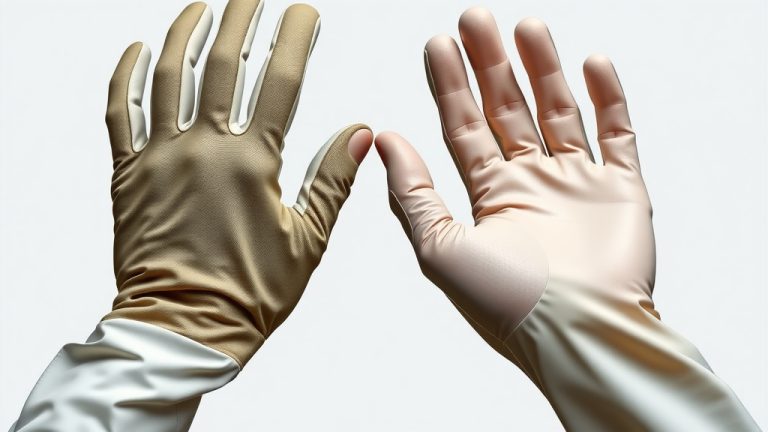
When you put on a golf glove, it should feel snug, especially across the palm and fingers. You shouldn’t have any excess material bunching up. Your fingertips should reach the end of the glove without being cramped. There should be minimal wrinkling. A slight, smooth curve across the palm is good. You should be able to comfortably close your hand. If you can easily slide another finger into the wristband, it’s likely too big.
A well-fitting glove ensures that the tacky surface is in direct contact with the club grip. It also means the protective and moisture-wicking properties work best. Think of it like wearing a good pair of athletic shoes. The right fit makes all the difference in performance and comfort.
When to Replace Your Golf Glove
Even the best golf gloves wear out. You’ll know it’s time for a new one when the grip starts to feel less tacky. If the material feels thin or stretched, it’s losing its effectiveness. Obvious signs include holes or worn-out areas, especially on the palm and fingertips. A glove that no longer feels snug is also a sign it’s time for replacement.
We found that playing with an old, worn-out glove can actually hurt your game. It can lead to a weaker grip and more inconsistent shots. It’s generally recommended to replace golf gloves regularly, depending on how often you play. Some casual golfers might get a season out of a glove, while frequent players might need several per year.
Making the Most of Your Golf Glove Checklist
To ensure your golf glove is always ready to perform its best, keep these tips in mind:
- Always wear your glove on your non-dominant hand.
- Ensure a snug, comfortable fit for optimal grip.
- Take your glove off between shots to let it air out.
- Store your glove flat or in a way that prevents creases.
- Inspect your glove regularly for signs of wear and tear.
- Replace your glove when the grip or fit deteriorates.
Conclusion
You’ve learned how golf gloves transform your game, from enhancing your grip to protecting your hands. They use smart materials and design to create a tacky surface, allowing for a more relaxed grip. This means you can swing more freely and powerfully. Remember, a glove’s effectiveness relies on a proper fit and knowing when it’s time for a replacement. Ready to feel the difference? Consider trying out a new glove on your next trip to the course!
Frequently Asked Questions
Do I really need a golf glove?
While not every golfer uses one, a golf glove can significantly improve your game. It offers a more consistent grip, especially in humid conditions. Many players also find they reduce hand fatigue and prevent blisters.
What’s the difference between leather and synthetic golf gloves?
Leather gloves offer a softer, more natural feel and mold to your hand over time. Synthetic gloves are often more durable, offer consistent grip in wet conditions, and are typically easier to clean.
How do I know if my golf glove is the right size?
A properly fitting glove should feel snug across your palm and fingers with no excess material bunching up. Your fingertips should reach the end without being cramped, and you should be able to close your hand comfortably.
Can wearing a golf glove help my swing?
Yes, by providing a more secure and consistent grip, a glove allows you to hold the club more loosely. This relaxed grip can lead to a more fluid swing, better clubhead speed, and more control over your shots.
How often should I replace my golf glove?
You’ll know it’s time to replace your glove when the grip feels less tacky, the material is thin or stretched, or you see obvious signs of wear like holes. Frequent players may need to replace gloves several times a year.